


Fire Safety Consultants for Fire Risk Assessment
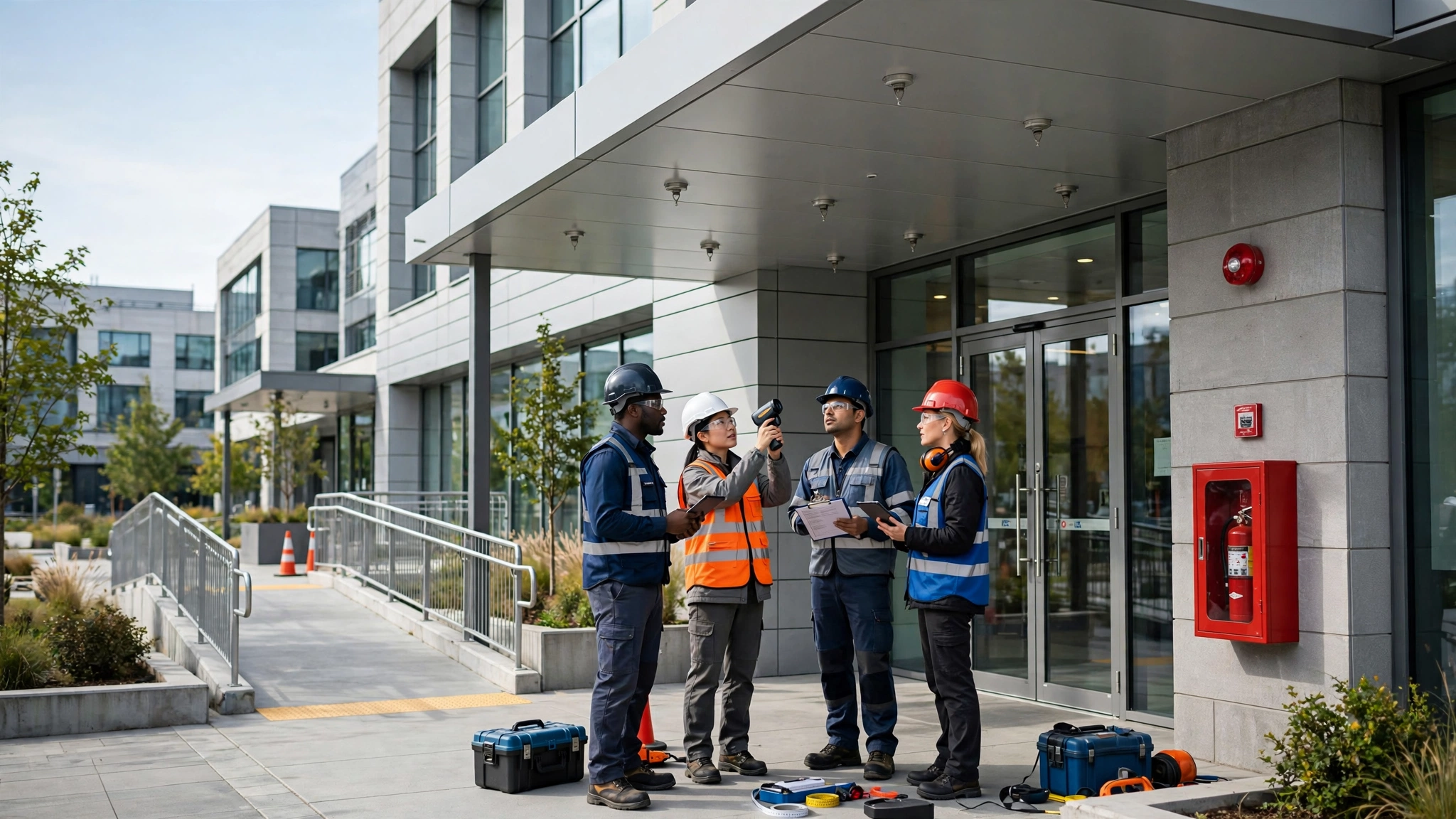
Fire risk management helps organisations understand potential hazards and decide how to reduce the chance and consequences of a fire. It requires attention to building conditions, work activities, protective equipment, and the actions people may need to take during an emergency. fire safety consultants can help organisations review these factors and develop practical strategies that support safer operations.
A fire risk management programme should begin with a clear understanding of the property. Managers need to know how the building is used, who occupies it, which hazards are present, and what protection measures are available. The assessment should also consider visitors, contractors, and people who may need assistance during evacuation.
Once the main concerns are identified, the organisation can decide which precautions are necessary. These may include improving housekeeping, maintaining fire protection equipment, updating emergency instructions, or arranging additional staff training. Recommendations should reflect the actual risks rather than rely on a generic checklist.
2. Identifying Hazards and Reviewing Existing Controls
Fire hazards can arise from electrical faults, heating equipment, combustible materials, cooking activities, maintenance work, and unsuitable storage. The likelihood and consequences of an incident depend on the conditions present and the controls already in place.
A structured review should identify hazards, consider who could be affected, and examine whether existing precautions are suitable. It should also record important gaps and explain which actions require priority. Where technical questions arise, appropriately qualified professionals should provide further assessment.
Building managers should pay attention to escape routes, fire doors, alarm systems, emergency lighting, and the condition of fire-resisting construction. Defects should be recorded and passed to the responsible people for action. Temporary measures may be needed when a significant problem cannot be corrected immediately, subject to appropriate professional advice and applicable requirements.
Risk assessments should be revisited when work activities change, new equipment is installed, or renovations affect the building. This helps ensure that safety arrangements remain suitable as conditions evolve.
3. Using Training to Improve Risk Awareness
Training helps employees understand how their daily decisions can affect fire safety. Staff should recognise unsafe storage, report damaged equipment, keep escape routes clear, and understand the procedures that apply when an alarm sounds.
The content should match each person's role. General employees may need practical information about prevention and evacuation, while supervisors may need additional guidance on reporting hazards and coordinating emergency actions. Technical professionals may require more detailed learning about building codes, fire engineering, and protective systems.
Vortex Fire provides Fire Safety Training Services covering technical topics such as building codes, life safety, smoke control, and external fire spread. These subjects can help relevant professionals develop a stronger understanding of fire protection principles and their application to building design.
Course selection should reflect the learner's needs. Organisations working in Canada must also confirm which provincial or territorial requirements apply. Learning about an international standard can build technical knowledge, but it should not be treated as proof of compliance with local law.
4. Connecting Risk Assessments With Emergency Planning
A risk assessment is more useful when its findings inform the emergency plan. If an assessment identifies a blocked exit, an unclear evacuation route, or a need for better communication, the organisation should update its procedures and assign responsibility for corrective action.
Emergency plans should explain how to raise the alarm, leave the building, contact emergency services, and reach the assembly point. Instructions should be clear and appropriate for employees, visitors, and contractors.
Organisations should consider the needs of people who may require assistance during an evacuation. Suitable arrangements should be discussed and planned in advance, with responsibilities clearly assigned. Emergency procedures should not depend on last-minute decisions made under pressure.
Drills can test whether the plan is practical. After an exercise, managers should review how participants responded, whether routes remained clear, and whether instructions were understood. Any weaknesses should be documented and addressed through improvements to training or building arrangements.
5. Maintaining Equipment and Managing Building Changes
Fire safety depends on the condition of protective systems as well as the behaviour of occupants. Alarms, sprinklers, emergency lighting, fire doors, and other installed measures need suitable inspection and maintenance according to applicable requirements and manufacturer guidance.
Organisations should keep records of inspections, defects, repairs, and outstanding tasks. Clear responsibility for follow-up helps prevent reported problems from being forgotten. Staff should understand how to report faults and should not carry out specialist repairs without suitable competence and authorisation.
Building changes also require attention. New partitions, service installations, storage arrangements, or changes in occupancy may affect fire separation, exit access, and evacuation. A review by the appropriate professional can help establish whether the existing fire strategy remains suitable.
When a significant deficiency is identified, managers should seek appropriate advice and determine what corrective measures are needed. The response should be based on evidence, the level of risk, and the requirements that apply to the property.
6. Evaluating Performance and Keeping Records
An effective programme needs a way to check whether its measures are working. Training attendance, knowledge checks, drill observations, inspection reports, and hazard records can help managers evaluate progress.
These records should be used to identify patterns rather than simply stored. Repeated blocked exits may indicate a need for better supervision or storage controls. Confusion during drills may show that instructions need rewriting or that additional practice is required.
Refresher training should be considered when employees change roles, new hazards are introduced, or procedures are updated. New staff should receive appropriate safety information, and contractors should understand relevant site rules before beginning their work.
Professional reviews can help organisations evaluate complex risks and improve the quality of their safety arrangements. A useful report identifies findings, explains limitations, and provides practical recommendations that can be assigned and tracked.
7. Conclusion
Fire risk management is an ongoing process that combines hazard identification, suitable controls, employee awareness, emergency planning, and reliable maintenance. Organisations that review their procedures and follow up on identified weaknesses are better placed to maintain clear responsibilities and support safer workplaces.
Engaging fire safety consultants can help organisations assess risks and strengthen their building safety arrangements. Appropriate Fire Safety Training Services can develop practical knowledge of fire prevention, emergency response, technical standards, and the responsibilities required to maintain a safer environment.
FAQs
What is fire risk management?
It is the process of identifying fire hazards, evaluating potential consequences, selecting suitable controls, and reviewing whether those controls remain effective.
Who should participate in fire safety training?
Employees, supervisors, building managers, and people with designated emergency responsibilities should receive training suited to their roles and workplace risks.
How does training support risk reduction?
It helps people recognise hazards, report unsafe conditions, follow emergency procedures, and understand the purpose of protective systems.
Should risk assessments be updated after renovations?
Yes. Changes to building layouts, equipment, occupancy, or work activities may affect existing fire safety arrangements and should be reviewed.
Are training records important?
Yes. Records help organisations track participation, identify learning needs, review drill results, and document improvements to their fire safety programme.

 English
 Arabic
 French
 Spanish
 Portuguese
 Deutsch
 Turkish
 Dutch
 Italiano
 Russian
 Romaian
 Portuguese (Brazil)