


What Makes Befair Carbon Steel Bakeware Worth Considering
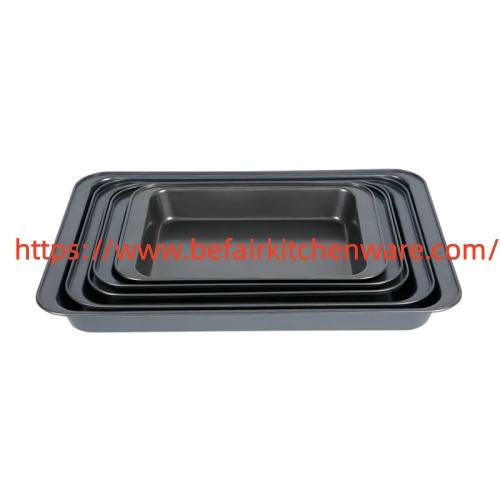
Carbon Steel Bakeware can influence the texture of cookies, cakes, breads, and pastries through its heat response, surface finish, and construction. When a recipe produces crisp edges one day and softer bottoms the next, the ingredients are not always the only factor worth checking. The pan itself can affect how quickly the batter heats, how moisture escapes, and how the crust develops. For home bakers, retailers, and wholesale buyers, understanding these details helps make product selection more practical. Befair provides kitchenware options designed to serve different baking preferences and everyday cooking needs.
One important factor is how a pan transfers heat to the food. During baking, the base and sides receive energy from the oven and pass it to the batter or dough. This process influences the setting of the mixture, the formation of the crust, and the final texture. A pan that heats rapidly may encourage earlier browning, while its dimensions and thickness can affect how evenly the food cooks. The outcome also depends on oven temperature, recipe composition, and the size of each portion.
Cookie texture offers a useful example. Some recipes aim for a crisp edge with a softer center, while others call for a firmer result throughout. The color and finish of the cooking surface can influence how much heat reaches the underside of each cookie. Dark surfaces generally absorb more radiant heat than lighter ones, which may encourage faster browning. If the bottoms become too dark before the centers finish cooking, bakers can review the oven setting, rack position, and recommended cooking time before changing the recipe.
Cake preparation involves a different set of considerations. Cakes need enough time for their structure to develop while moisture remains balanced throughout the crumb. Pan dimensions influence batter depth, and depth affects how quickly heat reaches the center. Filling a tin beyond its recommended capacity may result in overflow or an unevenly cooked middle. Selecting an appropriate size and distributing the mixture evenly can help support more predictable results. Bakers should also follow the recipe instructions when adjusting temperature or cooking duration for a different pan.
Bread and pastry products introduce further differences. A loaf may require sufficient heat to form a well-developed crust while allowing the center to cook through. Pastries may need a firm base to support their shape and texture. In these situations, the pan profile, wall height, thickness, and surface treatment all deserve attention. No single design suits every recipe, so buyers should consider the foods they prepare regularly instead of assuming that one product will produce identical results across different applications.
Surface finish is another detail worth examining. Some pans feature a release coating that helps food separate after cooking, while others require greasing or another preparation method. The coating type determines which utensils and cleaning methods are appropriate. Scratches, worn areas, or improper maintenance may affect food release over time. Before use, check the manufacturer's care instructions and temperature limits. Avoid abrasive tools when the surface requires gentle cleaning, and allow the item to cool according to its instructions before washing.
For retailers and importers, these technical details can become useful selling points when presented clearly. Customers may want to know the available dimensions, metal thickness, coating options, edge construction, and intended applications. Providing accurate specifications helps shoppers compare products and understand the differences between individual models. Businesses developing a private label collection may also consider packaging requirements, product shapes, and size combinations that suit their target market. Befair offers a starting point for buyers evaluating kitchenware options for household and commercial customers.
Before selecting a pan, consider the recipes it will serve, the available oven space, and the desired result. Review construction details, inspect the surface finish, and confirm the recommended temperature range. It is also helpful to test a new product with a familiar recipe before using it for a large batch. Keeping notes about browning, cooking time, and food release can help identify adjustments that suit the chosen equipment. Small changes in rack position or portion size may also influence the outcome.
Texture is shaped by several factors working together, including ingredients, oven conditions, pan design, and handling techniques. Understanding these relationships helps bakers make more informed decisions instead of changing several variables at once. For businesses looking to expand their kitchenware selection, Befair offers product options worth reviewing for different customer requirements. Visit https://www.befairkitchenware.com/ to view the available range and assess the designs, specifications, and customization possibilities that align with your market and baking product plans.

 English
 Arabic
 French
 Spanish
 Portuguese
 Deutsch
 Turkish
 Dutch
 Italiano
 Russian
 Portuguese (Brazil)
 Greek