


What areas of the body can be treated with microdermabrasion
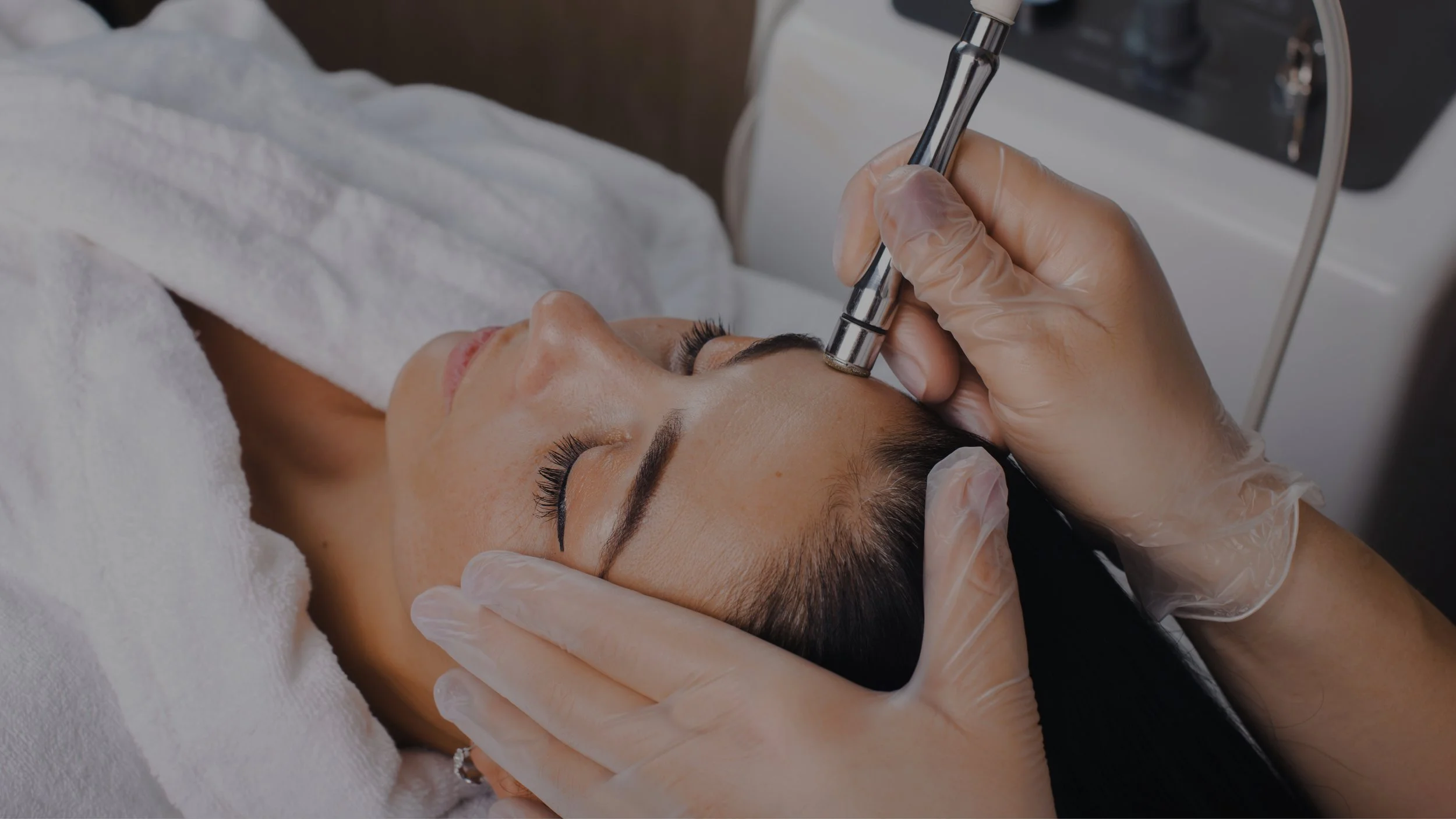
Microdermabrasion is a non-invasive skincare procedure that exfoliates the outermost layer of the skin to improve its texture and appearance. Although it is most commonly performed on the face, it may also be used on selected areas of the body to address roughness, dullness, and superficial skin concerns. People exploring تقشير البشرة الدقيق في دبي can benefit from understanding which areas may be suitable for treatment and how the procedure can be adapted to different skin needs. The appropriate treatment area depends on skin thickness, sensitivity, the device used, and the individual's concerns.
What Is Microdermabrasion?
Microdermabrasion is a mechanical exfoliation procedure that removes dead skin cells from the skin's surface. It typically uses either a diamond-tipped handpiece or fine crystals, together with suction, to exfoliate the outer layer.
The treatment is designed to improve superficial concerns such as dullness, mild roughness, and uneven texture. It does not reach deep skin layers, remove substantial scars, or treat every type of pigmentation.
A trained skincare professional can assess the intended area and determine whether microdermabrasion is suitable. Because skin thickness and sensitivity vary across the body, the technique and intensity may need to be adjusted.
Which Areas of the Body Can Be Treated With Microdermabrasion?
Face:
The face is the most common area treated with microdermabrasion. The procedure may help improve the appearance of dullness, mild congestion, rough texture, and superficial unevenness.
Different facial areas require careful handling because skin sensitivity varies. The practitioner may adjust the technique around the forehead, cheeks, nose, and chin according to the individual's skin condition.
Microdermabrasion may leave the skin looking smoother and fresher, but it cannot permanently shrink pores or reliably remove deep acne scars.
Neck:
The neck may be treated to improve superficial roughness and dullness. However, its skin can be thinner and more delicate than facial skin, so a conservative approach is important.
A professional should assess the area before treatment, particularly if the skin is sensitive, irritated, or affected by an existing skin condition. More aggressive exfoliation may increase the risk of redness or irritation.
Chest and Décolletage:
The upper chest and décolletage can develop uneven texture and a dull appearance due to environmental exposure and natural skin changes. Microdermabrasion may help smooth the surface in suitable individuals.
The skin in this region can be sensitive, especially when there is sun damage or irritation. A practitioner should determine whether microdermabrasion is appropriate or whether another treatment would be more suitable.
Hands:
The hands are frequently exposed to sunlight, water, and everyday environmental factors. These exposures can contribute to dryness and roughness.
Microdermabrasion may help remove accumulated dead skin cells and improve the surface texture of the hands. However, it cannot eliminate deep wrinkles or fully reverse sun damage. Moisturizing regularly and applying broad-spectrum sunscreen remain important parts of hand care.
Back:
The back may be considered for microdermabrasion when the concern involves superficial roughness or selected forms of congestion. The treatment area can be larger than the face, so the session length and approach may differ.
Microdermabrasion is not appropriate for every type of back acne. Active, inflamed, painful, or infected lesions may require medical assessment rather than mechanical exfoliation.
Shoulders:
The shoulders can experience rough texture and surface buildup. In selected cases, microdermabrasion may help improve the feel and appearance of the skin.
The practitioner should first examine the area for active irritation, inflamed acne, wounds, or other conditions that could make exfoliation unsuitable.
Arms:
Microdermabrasion may be used on selected parts of the upper or lower arms to improve superficial roughness and dullness. Some people also ask about treatment for uneven texture associated with keratosis pilaris, a condition that causes small, rough bumps.
However, results for keratosis pilaris can be limited, and the treatment may irritate sensitive or inflamed skin. A healthcare professional can help identify the cause of the roughness and recommend an appropriate approach.
Legs:
Selected areas of the legs may be treated to improve superficial roughness or dry-looking skin. The suitability of treatment depends on the skin's condition and the concern being addressed.
Microdermabrasion should not be performed over open wounds, active infections, sunburn, or significantly irritated skin. Moisturizing and sun protection can help maintain skin comfort after exfoliation.
Can Microdermabrasion Treat Every Body Area?
No. Although microdermabrasion can be used on several areas, not every body part is suitable for treatment.
Areas around the eyes, intimate regions, and other highly sensitive areas generally require special caution and may not be appropriate for standard microdermabrasion. The procedure should never be performed over broken skin, active infections, or severe inflammation.
A qualified practitioner should also consider whether the concern is superficial. Deep scars, significant skin laxity, and some pigmentation conditions may require different treatments.
What Factors Determine Which Areas Can Be Treated?
Several factors influence whether microdermabrasion is appropriate for a particular body area.
-
Skin thickness: Thicker areas may tolerate exfoliation differently from delicate skin.
-
Skin sensitivity: Sensitive or easily irritated skin may require a gentler approach or an alternative procedure.
-
Existing skin conditions: Active acne inflammation, infection, wounds, or sunburn can make treatment unsuitable.
-
Treatment goals: Microdermabrasion is best suited to superficial concerns rather than deep scars or major structural changes.
-
Device and technique: The practitioner should select an appropriate handpiece and intensity for the area being treated.
A consultation helps establish realistic expectations and reduces the risk of unnecessary irritation.
What Aftercare Is Needed for Different Treatment Areas?
Aftercare is important whether microdermabrasion is performed on the face or another suitable body area.
-
Use a gentle cleanser and an appropriate moisturizer.
-
Apply broad-spectrum sunscreen to exposed treated areas.
-
Avoid harsh scrubs and strong exfoliating products until the skin has recovered.
-
Avoid picking, rubbing, or scratching the treated skin.
-
Follow the practitioner's instructions about resuming active skincare products.
Temporary redness, dryness, tightness, or sensitivity may occur. Seek medical advice if you experience severe pain, blistering, persistent swelling, or worsening irritation.
Frequently Asked Questions:
Can microdermabrasion be performed on the body as well as the face?
Yes. Depending on the device and skin condition, it may be used on areas such as the neck, chest, hands, back, shoulders, arms, and legs.
Is microdermabrasion suitable for the neck?
It may be suitable for some people, but the neck can be delicate. A professional assessment and conservative technique are important.
Can microdermabrasion help with rough skin on the arms?
It may improve superficial roughness in selected cases. However, results vary, and certain conditions, such as keratosis pilaris, may require other skincare approaches.
Can microdermabrasion treat back acne?
It may help with some superficial congestion, but it is not suitable for every type of acne. Active, inflamed, or painful acne should be assessed by a healthcare professional.
How do I know which area is suitable for treatment?
A qualified skincare professional can assess your skin condition, treatment goals, and medical history before recommending suitable areas and settings.
Conclusion:
Microdermabrasion can be performed on several areas of the body, including the face, neck, chest, hands, back, shoulders, arms, and legs, when the skin is suitable for treatment. Its main purpose is to improve superficial concerns such as dullness and rough texture rather than address deep scars or significant skin changes. Treatment should be customized to each area's sensitivity and condition. Before choosing microdermabrasion, consult a qualified skincare professional to determine which areas can be treated safely and which approach best matches your skincare goals.

 English
 Arabic
 Spanish
 Portuguese
 Deutsch
 Turkish
 Dutch
 Italiano
 Russian
 Romaian
 Portuguese (Brazil)
 Greek