


Dermal Fillers in London: How Are Lip Shape and Facial Proportions Considered During Planning?
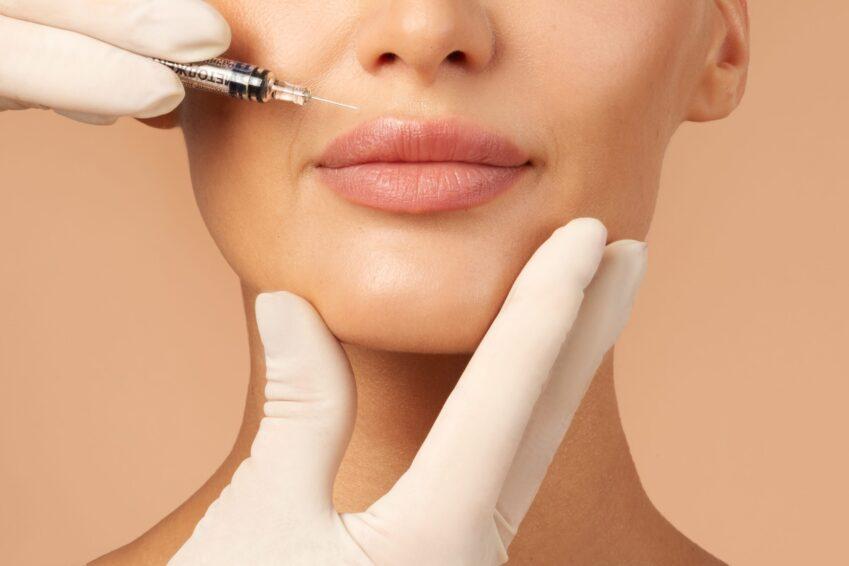
Dermal filler treatments are often chosen by people who want to enhance their lips, improve facial balance, or achieve subtle changes while maintaining their natural appearance. However, successful treatment planning involves more than deciding where to add volume. The shape of the lips, the proportions of the face, existing facial features, and individual aesthetic preferences all contribute to determining an appropriate approach.
At Bodyvie Clinic, understanding the relationship between lip shape and facial proportions is an important part of aesthetic planning. Each person's facial structure is different, meaning that a treatment approach suitable for one individual may not produce the same effect for another. A careful assessment helps establish realistic expectations and supports decisions that reflect the individual's features rather than following a standard look.
For people considering Dermal Fillers in London, learning how lip shape and facial proportions are assessed can make the consultation process more informative. It also helps explain why a personalised treatment plan is essential for achieving a balanced, natural-looking result.
Why Are Lip Shape and Facial Proportions Important?
The lips are a prominent feature of the lower face, but their appearance is closely connected to surrounding structures. The nose, chin, cheeks, jawline, and the distance between facial features all influence how the lips are perceived.
For example, increasing lip volume without considering the overall facial structure may create an appearance that does not match the individual's preferences. In contrast, a plan that takes the entire face into account can help determine whether subtle definition, improved symmetry, or a change in volume is the most appropriate objective.
Facial proportions do not follow one universal formula. Different lip shapes and facial structures can look harmonious in different ways. Therefore, treatment planning should focus on individual anatomy, personal preferences, and the desired degree of enhancement.
A consultation also provides an opportunity to discuss whether the intended outcome is realistic and how it may relate to the person's existing features.
How Is the Natural Lip Shape Assessed Before Treatment?
The first step in planning lip filler treatment is examining the natural shape and structure of the lips. This assessment helps establish their existing characteristics and identifies the areas the individual would like to enhance.
Upper and Lower Lip Proportions
The relationship between the upper and lower lips is one of the factors considered during assessment. Some people naturally have a fuller lower lip, while others have more volume in the upper lip. Neither pattern automatically requires correction.
A practitioner considers whether the individual wants to maintain their existing proportions, create a subtle change in volume, or improve the definition of a particular area. The objective is to understand the desired appearance without assuming that fuller lips are necessarily better.
The amount of enhancement considered should reflect the natural anatomy and the individual's goals.
Lip Borders and Cupid's Bow
The vermilion border is the boundary between the coloured part of the lips and the surrounding skin. The Cupid's bow is the central dip in the upper lip, formed by two gentle curves.
These features contribute to the definition and character of the lips. During planning, their natural shape is examined to determine whether the individual is interested in greater definition, a softer contour, or maintaining their current outline.
A treatment plan may prioritise contour rather than volume when the main concern relates to the shape of the lip border. This distinction helps ensure that the proposed approach reflects the actual aesthetic objective.
Lip Symmetry
Natural lips are rarely perfectly symmetrical. Differences may occur in the height of the upper lip, the fullness of each side, or the position of the corners of the mouth.
During an assessment, these characteristics can be discussed alongside the individual's concerns. The practitioner considers whether a visible difference is part of the natural facial structure and whether any proposed enhancement could reasonably address the person's specific goal.
The aim is not necessarily to create identical sides. Instead, the plan should respect the natural features of the face while considering the degree of balance the individual would like to achieve.
How Do Overall Facial Proportions Influence Filler Planning?
Lip assessment is only one part of the planning process. The surrounding facial features also help determine how a proposed change in lip volume or definition may affect the overall appearance.
The Relationship Between the Nose, Lips, and Chin
The nose, lips, and chin form an important visual relationship in the side profile. Their relative projection and positioning can influence how prominent the lips appear.
For instance, someone who wants more noticeable lips may benefit from discussing the entire profile rather than focusing exclusively on the front view. The practitioner can assess the existing relationship between these features and explain how a proposed lip enhancement may affect the overall appearance.
This does not mean that every facial feature needs treatment. In many cases, the most appropriate plan is limited to the area that concerns the individual.
Cheek Structure and the Midface
The cheeks and midface influence the visual balance between the upper and lower portions of the face. Their natural volume, contour, and proportions may affect how lip fullness is perceived.
During consultation, the practitioner may consider whether the lips appear in proportion to the surrounding facial structure. This helps establish whether the individual's preferred outcome calls for a subtle enhancement or a more restrained approach.
It is important to distinguish between assessing facial proportions and recommending additional procedures. A personalised plan should remain focused on the individual's priorities, with any discussion of other treatments based on a clear and relevant reason.
Facial Width and Lower-Face Shape
Facial width, jawline definition, and chin shape can also influence how the lips fit within the overall facial appearance.
For example, a person with a narrow lower face may have different aesthetic preferences from someone with a broader jawline. The practitioner considers these characteristics alongside lip size and shape rather than applying the same volume target to everyone.
The purpose of this assessment is to understand the complete facial structure and develop an approach that reflects the individual's natural features.
What Happens During a Dermal Filler Consultation?
A consultation provides the opportunity to discuss the desired outcome, assess the relevant anatomy, and establish whether treatment is suitable.
Discussing Personal Aesthetic Goals
The consultation usually begins with a conversation about what the individual hopes to achieve. Some people want a slightly fuller appearance, while others are more interested in lip definition, symmetry, or maintaining a particular shape.
Clear communication is important because terms such as natural, subtle, and defined can mean different things to different people. Discussing specific preferences helps the practitioner understand the intended result.
Previous filler treatments, if applicable, may also be discussed to establish how the lips have changed over time and what the individual would like to maintain or adjust.
Examining the Lips and Surrounding Features
The practitioner assesses the lips in relation to the rest of the face. This may involve examining the upper and lower lips, lip borders, symmetry, facial profile, and surrounding structures.
Both the resting appearance and natural movement of the mouth may be relevant. Smiling, speaking, and other expressions can change the appearance of the lips, so understanding these movements can help inform the planning process.
The assessment also provides an opportunity to discuss the individual's expectations and whether they align with what the proposed treatment can reasonably achieve.
Developing an Individualised Plan
Once the assessment is complete, the practitioner can explain the available options and the intended treatment approach. This discussion may cover the areas being considered, the desired degree of enhancement, and how the plan relates to the individual's facial proportions.
The amount and placement of filler should be determined according to the person's anatomy and treatment objectives, rather than a fixed volume or a popular aesthetic trend.
An individualised plan also allows the practitioner to explain what the treatment is intended to change and which aspects of the natural lip shape are best preserved.
Why Is a Natural-Looking Result Often a Planning Priority?
Many people seeking lip fillers want their lips to look more defined or balanced without losing the characteristics that make their appearance distinctive.
Natural-looking enhancement does not necessarily mean making the smallest possible change. Instead, it involves choosing an approach that suits the individual's facial structure and personal preferences.
Preserving Individual Features
The natural curves of the lips, their relationship to the nose and chin, and their movement during expression all contribute to facial identity.
A carefully considered plan takes these characteristics into account. Rather than attempting to reproduce another person's lips, the focus remains on the features the individual wants to enhance while respecting their existing anatomy.
Avoiding a One-Size-Fits-All Approach
Social media trends and celebrity-inspired looks can influence expectations about lip size and shape. However, a particular style may not suit every face.
A consultation helps separate personal preferences from assumptions about what lips should look like. The practitioner can discuss how different degrees of enhancement may relate to the person's features and help establish a realistic objective.
This approach supports informed decision-making and places individual suitability ahead of trends.
How Are Treatment Expectations Established?
Realistic expectations are an important part of planning Fillers In London. Although dermal fillers can be used to alter lip volume and contour, the outcome depends on individual anatomy, the treatment approach, and the characteristics of the product used.
During the consultation, the practitioner should explain the intended changes and clarify what can reasonably be achieved. The discussion may include the extent of enhancement, how the result relates to the natural lip shape, and whether the individual's preferred outcome is appropriate.
It is also useful to establish priorities. For example, someone primarily concerned about an indistinct lip border may have different objectives from someone who wants additional volume. Identifying the main concern helps keep the treatment plan focused.
Where appropriate, the practitioner may recommend a conservative approach or explain why a requested change may not be suitable for the individual's anatomy. The aim is to support an informed choice rather than encourage unnecessary treatment.
Choosing a Dermal Fillers Clinic in London
Selecting a suitable Dermal Fillers Clinic in London involves considering more than the range of treatments available. The quality of the consultation, the practitioner's relevant qualifications and experience, and the clarity of the treatment plan are important considerations.
Patients should feel comfortable discussing their preferences, asking questions, and explaining what they want to preserve about their appearance.
A professional consultation should include an assessment of the lips and surrounding facial features, a discussion of realistic outcomes, and an explanation of the proposed approach. The practitioner should also provide appropriate information about the product, aftercare, and follow-up arrangements.
At Bodyvie Clinic, prospective patients can use the consultation to discuss their individual aesthetic priorities and understand how lip shape and facial proportions may influence treatment planning.
The most suitable approach is one that takes account of the individual's anatomy, preferences, and clinical suitability rather than relying on a standardised treatment formula.
Conclusion
Lip filler planning involves more than adding volume. The natural shape of the upper and lower lips, the definition of the lip borders, existing asymmetry, and the relationship between the lips, nose, chin, and cheeks can all influence the proposed approach.
For anyone considering Dermal Fillers in London, a personalised consultation helps clarify aesthetic goals and determine how a potential enhancement may fit within the overall facial structure. It also provides an opportunity to discuss realistic expectations and understand which features should be preserved.
By focusing on individual anatomy, proportion, and personal preferences, Bodyvie Clinic can help patients explore their options and make informed decisions about lip enhancement. The goal of treatment planning is not to create a standard appearance, but to consider an approach that complements the person's natural features.
FAQs
1. Why are facial proportions considered during lip filler planning?
Facial proportions help establish how the lips relate to features such as the nose, chin, and cheeks. Considering these relationships supports a personalised approach to lip shape and volume.
2. How is natural lip shape assessed before dermal filler treatment?
The assessment may include the upper and lower lip proportions, Cupid's bow, vermilion border, symmetry, and the way the lips move during facial expressions. These observations help guide the discussion about the desired outcome.
3. Can dermal fillers help improve the appearance of lip asymmetry?
Dermal fillers may help address certain differences in lip volume or contour. However, the suitability and likely outcome depend on the cause of the asymmetry and the individual's anatomy, which should be assessed during consultation.
4. Do lip fillers need to make the lips significantly larger?
No. Lip filler treatment does not have to focus on increasing size. Some people prioritise definition, contour, or subtle changes in volume. The treatment plan should reflect their preferences and clinical suitability.
5. How does the chin affect lip filler planning?
The chin contributes to the overall facial profile and influences how the lips appear in relation to the lower face. Considering these features together helps the practitioner assess the proposed enhancement in context.
6. What should I discuss during a dermal filler consultation?
You can discuss your preferred lip shape, desired level of fullness, concerns about symmetry, previous filler treatments, and the features you want to preserve. It is also helpful to ask about the proposed approach, expected results, and aftercare.
7. How do I choose a clinic for dermal fillers in London?
Look for an appropriately qualified and experienced practitioner who provides an individual assessment, explains the proposed treatment clearly, discusses realistic expectations, and answers your questions. The consultation should help you make an informed decision without pressure.
8. Will my natural facial features be considered during treatment planning?
Yes. A personalised assessment should consider your natural lip structure and surrounding facial features. These factors help inform the treatment objectives and determine whether the proposed approach is suitable for you.

 English
 French
 Spanish
 Portuguese
 Deutsch
 Turkish
 Dutch
 Italiano
 Russian
 Romaian
 Portuguese (Brazil)
 Greek