


Impeller Aerator for Aquaculture Efficiency
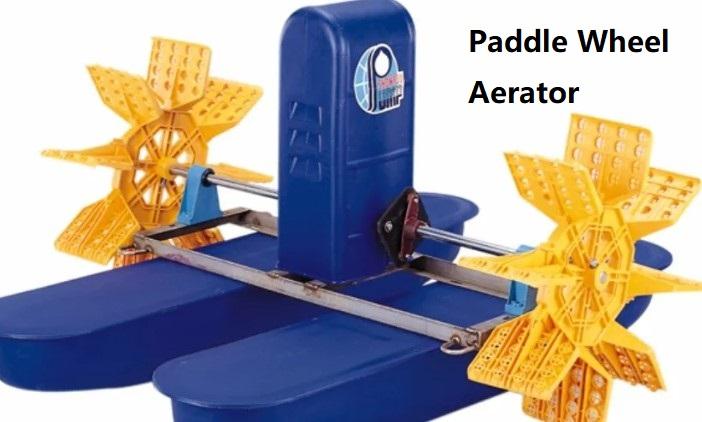
Managing an aquaculture pond involves balancing water movement, oxygen availability, and the daily needs of aquatic organisms. An Impeller Aerator can support these goals by creating water circulation and encouraging contact between water and air, while selecting an appropriate Impeller Aerator also allows farm operators to consider pond layout, operating conditions, and equipment maintenance before making a purchase. Rather than choosing machinery based on appearance alone, buyers can evaluate how its working principle and configuration fit their production routines.
Understanding the Role of Impeller Technology
Impeller aeration uses rotating components to move water and promote interaction with the surrounding air. Depending on the equipment design, the resulting movement can help circulate water through selected areas of a pond and support the distribution of dissolved oxygen.
This process is particularly relevant to aquaculture environments where water conditions can change with stocking density, feeding activity, weather, and seasonal temperature variations. However, aeration performance depends on several factors, including equipment capacity, installation position, and pond characteristics. Operators should monitor actual water conditions instead of assuming that equipment operation alone guarantees a suitable environment.
Understanding the operating principle also helps buyers compare different aeration designs and identify the features most relevant to their facilities.
Matching Equipment to Different Pond Environments
Ponds vary in shape, depth, water volume, and production requirements. These differences influence how circulation equipment should be selected and positioned. A configuration suitable for a compact pond may not provide the desired water movement in a larger or irregularly shaped farming area.
Before purchasing equipment, operators should assess the areas where circulation is needed, the existing water flow, and the accessibility of potential installation locations. Power availability, supporting structures, and maintenance access should also be included in the planning process.
For farms with multiple ponds, comparing operating requirements across different locations can help establish a more consistent equipment selection strategy. This approach makes it easier to match machinery with individual pond conditions rather than relying on a single configuration for every application.
Improving Daily Water Management Practices
Aeration equipment works best as part of a broader pond management routine. Regularly checking dissolved oxygen, observing aquatic behavior, and recording changes in water conditions can help operators determine whether their current setup meets production needs.
Water movement is only one part of the overall process. Feeding schedules, stocking levels, organic matter, and water exchange can also influence pond conditions. Combining equipment operation with regular observation gives farm staff more information when adjusting operating schedules or identifying potential problems.
Operators should also consider how equipment placement affects routine activities. Proper positioning can help maintain access for feeding, inspection, harvesting, and other farm operations without creating unnecessary obstacles.
Exploring Impeller Aerator Options from Chinaaerator
When comparing available products from Chinaaerator, buyers can begin by defining their intended application and preferred operating arrangement. Relevant considerations may include pond dimensions, required circulation coverage, available power, structural design, and expected maintenance procedures.
It is useful to request product specifications and clarify installation requirements before confirming an order. Buyers should also ask about replacement components, service access, and recommended inspection intervals. These details help establish realistic expectations for equipment ownership and make it easier to prepare for routine maintenance.
A clear understanding of operating needs can also improve communication between farm operators and suppliers, particularly when the equipment must fit an existing pond layout or a specific production workflow.
Maintaining Equipment for Long-Term Use
Regular maintenance helps operators identify wear before it develops into a more disruptive mechanical problem. Inspections should follow the manufacturer's guidance and may include checking rotating components, bearings, fasteners, drive connections, protective structures, and electrical connections where applicable.
Unusual vibration, unexpected noise, or changes in rotation may indicate that further inspection is necessary. Equipment should be shut down and isolated from its power source before maintenance begins, with repairs performed by qualified personnel when required.
Keeping maintenance records can help staff recognize recurring issues and plan for replacement parts. When combined with water quality monitoring and appropriate equipment selection, this approach supports a more organized aquaculture management process.
For farms exploring practical aeration options, reviewing the equipment design and matching it to local operating conditions are useful starting points. Visit https://www.chinaaerator.net/ to explore available aeration products and discuss suitable configurations for your pond management requirements.

 English
 Arabic
 French
 Spanish
 Portuguese
 Deutsch
 Turkish
 Dutch
 Italiano
 Russian
 Romaian
 Portuguese (Brazil)