


How Export Standards Shape Modern Motorcycle Production
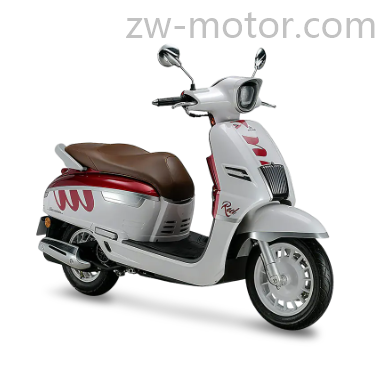
International motorcycle trade requires manufacturers and importers to consider more than vehicle design, production capacity, and purchase cost. Environmental regulations, technical documentation, product configuration, and quality management can all influence whether a motorcycle is suitable for a particular market. For companies planning to source a US EPA Certified Motorcycle, understanding the relationship between manufacturing specifications and regulatory requirements is an important starting point. Certification should never be assumed based only on a supplier's general product range, because applicable requirements can depend on the vehicle category, engine configuration, model year, and intended use.
The United States Environmental Protection Agency establishes emissions requirements for many categories of motor vehicles and engines. Motorcycles intended for the US market may need to comply with applicable federal emissions standards, depending on their classification and characteristics. Manufacturers must identify the rules relevant to each product before making compliance claims or arranging shipments. Importers should also distinguish federal emissions requirements from other obligations, including vehicle safety rules, state-level requirements, customs procedures, and registration conditions. Meeting one requirement does not automatically establish compliance with every rule that may apply.
Product configuration is central to the certification process. Engine design, fuel delivery, exhaust components, emission-control systems, and electronic management can affect exhaust emissions. Even when two motorcycles share a similar appearance, differences in their engines or equipment may result in different compliance considerations. A supplier should therefore provide clear model identification and accurate technical information rather than relying on a broad description of its entire product range. Buyers can use these details to determine whether the specific vehicle under consideration has the documentation needed for their market.
Manufacturing consistency is another important consideration. A certified configuration must remain consistent with the applicable approved specifications and production requirements. Changes to engine components, exhaust systems, calibration, or other regulated features may affect compliance and may require further review. For this reason, manufacturers benefit from controlled bills of materials, documented inspection procedures, supplier quality checks, and traceable production records. These practices help reduce the risk of unapproved substitutions and make it easier to investigate quality concerns after vehicles leave the factory.
Importers should request supporting documents before placing substantial orders. Useful records may include the exact model and engine identification, technical specifications, applicable emissions certification information, and documents required for importation. The relevant certification records should be checked against the precise configuration being purchased. If a supplier states that a product meets US requirements, buyers should clarify which model year and configuration the statement covers, who holds the certification, and whether the supporting records can be independently verified. Clear documentation can help prevent misunderstandings between the manufacturer, distributor, customs broker, and other parties involved in the transaction.
Supplier evaluation should also cover general production capabilities. Buyers can ask about assembly processes, incoming component inspections, finished-vehicle checks, defect handling, and production traceability. These factors do not replace regulatory certification, but they contribute to more reliable sourcing and help ensure that delivered units match the agreed specifications. A structured supplier assessment can include sample review, written acceptance criteria, packaging requirements, spare-parts arrangements, and procedures for handling nonconforming products.
Communication is particularly important for international orders. Manufacturers and importers should agree on product configurations, documentation responsibilities, delivery schedules, and the process for approving engineering changes. Written confirmation is preferable to informal assurances when compliance affects a purchase decision. If a product is being adapted for a new destination, the parties should review the proposed changes before production begins. This approach can reduce the likelihood of costly rework, shipping delays, or disputes over whether the supplied vehicle meets the original order requirements.
Cost planning should account for more than the factory price. Certification-related work, testing where applicable, documentation, freight, import duties, and market-specific preparation may affect the total landed cost. Buyers should establish which services are included in a quotation and which expenses remain their responsibility. They should also allow enough time for document review and any required approvals. A realistic schedule is especially valuable when launching a new product line or coordinating shipments across several markets.
For distributors seeking a US EPA Certified Motorcycle, the most reliable sourcing process combines product-specific verification, consistent manufacturing controls, and transparent documentation. Certification status should be confirmed through the appropriate records rather than inferred from a supplier's location or marketing materials. Importers can discuss their intended configuration and sourcing requirements with ZHIWEKI and review its scooter and motorcycle product range at https://www.zw-motor.com/product/scooter-motorcycle/ before determining the next steps for market-specific compliance.

 Arabic
 French
 Spanish
 Portuguese
 Deutsch
 Turkish
 Dutch
 Italiano
 Russian
 Romaian
 Portuguese (Brazil)
 Greek