


Adaptive Lens Design for Changing Light Conditions
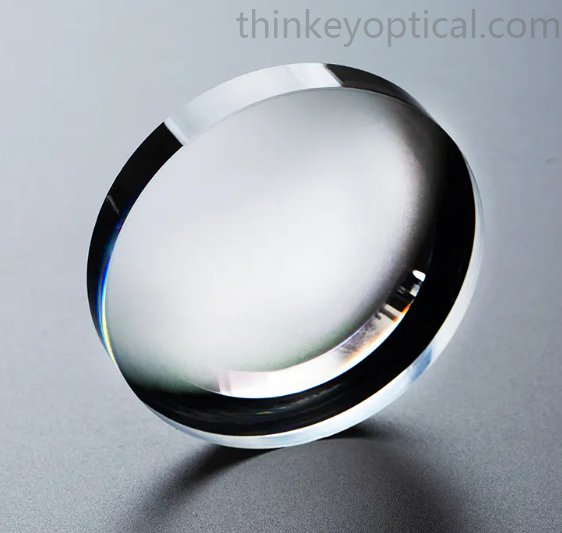
Modern eyewear increasingly combines visual correction with features designed to accommodate changing environments. Photochromic Progressive lenses bring together multifocal optical design and light-responsive technology, allowing wearers to access near, intermediate, and distance vision while the lens tint adjusts according to light exposure. For optical manufacturers, wholesalers, and eyewear brands, understanding the technology behind these products helps support informed sourcing and product development decisions.
Progressive lenses are designed to provide a gradual transition between different viewing distances. Unlike traditional multifocal lenses with visible dividing lines, progressive designs incorporate a continuous change in optical power across the lens surface. This design can support a more streamlined appearance while meeting the visual needs of suitable presbyopic wearers. However, lens geometry, prescription requirements, fitting measurements, and frame selection all influence the final wearing experience.
Photochromic technology adds another functional element. These lenses contain light-responsive materials that change their optical tint when exposed to ultraviolet radiation and, depending on the technology, other portions of the light spectrum. The lenses generally become darker under suitable outdoor conditions and return toward a clearer state when exposure decreases. Actual performance varies with material formulation, temperature, light conditions, and product design, so manufacturers should provide clear information about expected behavior and limitations.
Combining progressive optics with photochromic functionality requires careful product engineering. The multifocal design must maintain appropriate optical characteristics across different viewing zones, while the photochromic component must respond consistently within the intended product specifications. Material compatibility, surface processing, and coating selection all contribute to the final result. Manufacturers need to evaluate these factors together rather than treating the optical design and tint-changing function as entirely separate features.
Material selection influences lens weight, thickness, durability, and processing options. Common optical materials include standard resin, polycarbonate, and high-index resin. The best choice depends on prescription strength, frame dimensions, intended application, and product positioning. For example, high-index materials may help reduce thickness for certain prescriptions, while polycarbonate offers a lightweight structure and impact resistance for appropriate applications. Buyers should confirm which materials are available for combined progressive and photochromic designs.
Surface coatings can further support product functionality. Anti-reflective coatings help reduce reflections, while hard coatings improve resistance to everyday scratching. Hydrophobic treatments can make water droplets easier to remove. The suitability of a coating depends on the lens material, production process, and intended use. Optical businesses should confirm the compatibility of the requested coating combination with the selected photochromic design before committing to a large order.
Quality control is especially important for specialized optical products. Inspection may include checking optical power, progressive design parameters, surface condition, dimensions, coating consistency, and photochromic performance against established specifications. Sample testing and clear acceptance criteria can help buyers assess whether a product meets their requirements. Consistent manufacturing records and defined inspection procedures also make it easier to evaluate repeat orders and address potential quality issues.
For B2B purchasers, customization and supply planning are important parts of product selection. Depending on the manufacturer's capabilities, options may include refractive index, prescription range, lens diameter, progressive design, coating combinations, and packaging. Buyers should clarify minimum order quantities, sample availability, production lead times, and documentation requirements. Providing accurate specifications early can reduce unnecessary revisions and help coordinate procurement with inventory planning.
Product education also supports successful distribution. Retailers and sales teams should understand that photochromic activation and fading times can vary with environmental conditions and that performance may differ inside vehicles or behind certain types of glazing. Clear product information helps manage customer expectations and supports more appropriate product recommendations.
Selecting Photochromic Progressive lenses from a capable optical manufacturer can help businesses expand their offerings with products that combine multifocal correction and adaptive tinting. Thinkey Optical Co.,Ltd. supports optical businesses exploring lens sourcing and customized product options. For further information about available solutions and cooperation opportunities, visit https://www.thinkeyoptical.com.

 English
 Arabic
 French
 Spanish
 Portuguese
 Deutsch
 Turkish
 Italiano
 Russian
 Romaian
 Portuguese (Brazil)
 Greek