


What Should You Check in a Kaixin Super Strong Permanent Magnetic Chuck
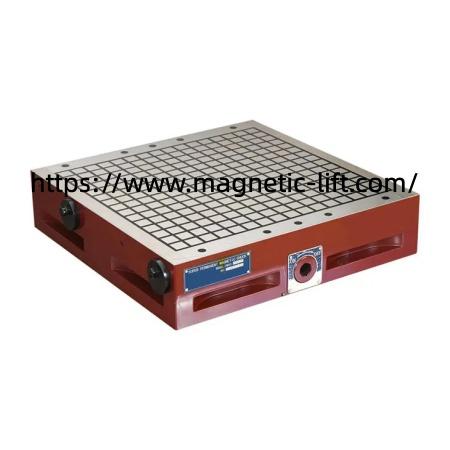
Super Strong Permanent Magnetic Chuck selection starts with understanding what your CNC workshop actually produces. The right workholding arrangement depends on the material, part dimensions, machining forces, and available machine space. A unit designed for one type of job may not suit another, even when the workpieces appear similar. Before comparing prices or specifications, take time to define the real demands of your production process.
Material compatibility should come first. Magnetic clamping is generally intended for ferromagnetic materials such as carbon steel and suitable grades of alloy steel. Aluminum, copper, brass, and many stainless steel grades cannot be held directly in the same way. If your workshop handles different metals, identify the materials that will be processed on the system. Heat treatment and alloy composition can also influence how a workpiece responds to a magnetic field, so unusual materials may require confirmation from the manufacturer.
Next, look closely at the size and shape of your regular workpieces. A wide steel plate offers a different contact area from a narrow block or a small component with an irregular underside. The portion of the workpiece that actually contacts the clamping surface affects the available holding force. A large unit does not automatically provide its rated performance when only a small section of its working face is covered. Make a list of the typical part dimensions, including the smallest pieces you expect to machine, rather than selecting equipment based only on the largest job.
Thickness is another detail that deserves attention. Thin steel parts can be more difficult to hold because the magnetic field needs a suitable path through the material. The spacing between magnetic poles should match the dimensions and geometry of the workpieces. Fine pole arrangements may suit smaller or thinner components, while other configurations may be more appropriate for larger, thicker parts. Ask the supplier to explain which design fits your usual material range and whether additional support is needed for particular jobs.
Your machining method matters just as much as the workpiece itself. Light finishing cuts and demanding milling operations create different forces. Side cutting, deep passes, aggressive feed rates, and tool engagement can introduce forces that encourage a part to shift. Review the intended cutting parameters with the equipment manufacturer and confirm that the proposed setup is suitable for the actual operation. Do not judge suitability by workpiece weight or a published holding force figure alone. The complete setup must account for cutting forces, contact conditions, and an appropriate safety margin.
Machine compatibility should be checked before ordering. Measure the available table area and verify the mounting arrangement, overall height, and clearance around the spindle and tooling. Consider whether the unit will restrict access to the sides of the workpiece or interfere with tool travel during multi face machining. Also check the controller, connection requirements, and installation procedure for the selected model. If your factory plans to move the equipment between machines, discuss that requirement early because the mounting and handling arrangements may affect the final choice.
Surface preparation is easy to overlook when comparing technical specifications. Chips, rust, scale, oil residue, and uneven contact surfaces can create gaps between the workpiece and the clamping face. These gaps may reduce the available holding force and affect machining stability. Before each setup, clean the contact areas and check that the part sits properly. For thin or flexible components, discuss the possibility of distortion with the supplier. Excessive clamping force can sometimes influence the shape of a workpiece, so the arrangement should support both secure holding and the dimensional requirements of the finished part.
Safety and maintenance should also be part of the purchasing decision. Ask how the system is activated and released, what checks operators must complete before machining, and how the equipment should be inspected over time. Staff should understand the operating instructions and know how to respond to abnormal conditions. The workpiece must remain secure under the planned machining loads, and the setup should be verified before the cutting cycle begins. Routine cleaning, inspection records, and timely technical support can help the workshop maintain consistent procedures across different shifts.
Price is important, but it should be considered alongside the intended application, installation work, operating requirements, and supplier service. A model with unnecessary capabilities may increase the purchase cost, while an unsuitable configuration can create production delays or require additional fixtures. Compare quotations using the same technical criteria and ask for clarification whenever a specification does not match your workpiece conditions.
Kaixin provides workholding solutions for industrial machining applications, giving manufacturers an option to review when planning their equipment purchases. Prepare details about your machine model, material grades, part thickness, workpiece dimensions, and cutting operations before discussing a suitable configuration. This information helps connect the product specifications with the demands of your actual production line. To review available models and evaluate which option may fit your workshop, visit https://www.magnetic-lift.com/product/

 English
 Arabic
 French
 Spanish
 Portuguese
 Deutsch
 Dutch
 Italiano
 Russian
 Romaian
 Portuguese (Brazil)
 Greek