


U.S. Water Treatment Chemicals Advance with Clean Water Needs
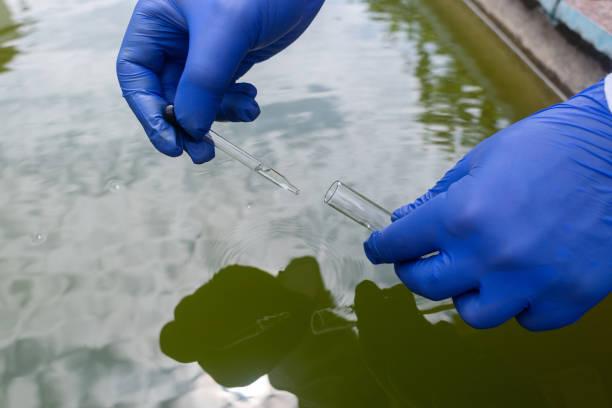
Water treatment chemicals play an important role in municipal, industrial, and commercial water management across the United States. Treatment facilities use different chemical processes to address suspended solids, contaminants, pH, disinfection, and other water-quality requirements. Aging infrastructure, continued demand for treated water, and increasingly complex treatment needs are keeping chemical solutions relevant across the water-management ecosystem.
A recent study by Markntel Advisor states that the U.S. water treatment chemicals market is projected to grow from USD 11.57 billion in 2027 to USD 14.30 billion by 2033, reflecting a CAGR of 3.59%, following USD 10.52 billion in 2026. Coagulants and flocculants account for 32% of the industry in 2026, highlighting their importance within treatment processes.
Coagulants and Flocculants Support Solids Removal
Coagulation and flocculation are widely used to remove suspended particles from water. Coagulants help neutralize the electrical charges surrounding fine particles, allowing them to combine, while flocculants can promote the formation of larger aggregates that settle more readily.
The U.S. Environmental Protection Agency identifies aluminum sulfate, ferric chloride, ferric sulfate, and other chemicals as materials used in coagulation. Treatment facilities select chemicals based on water characteristics and treatment objectives, making formulation and dosage important parts of operational management.
Municipal Water Treatment Maintains Chemical Demand
Municipal water utilities require treatment systems capable of producing water that meets applicable quality requirements. Chemical treatment can form part of broader treatment trains that also include filtration, sedimentation, adsorption, and disinfection.
Different source waters can contain varying levels of suspended particles, organic matter, minerals, and other substances. As a result, treatment facilities may adjust chemical processes according to incoming water conditions. This creates ongoing demand for chemicals that can be integrated into established treatment systems while supporting consistent plant performance.
Industrial Applications Broaden Treatment Requirements
Industrial facilities often generate wastewater with characteristics that differ significantly from municipal water. Manufacturing processes can introduce suspended solids, metals, oils, nutrients, and other substances that require specialized treatment before discharge or reuse.
The EPA’s Industrial Wastewater Treatment Technology Database identifies coagulation and flocculation as chemical precipitation processes used to remove suspended solids. It also covers chemical approaches for phosphorus and nitrogen removal, disinfection, oxidation, and other wastewater-treatment applications.
Chemical Selection Depends on Water Characteristics
There is no single chemical solution suitable for every treatment application. Water chemistry, contaminant concentration, pH, alkalinity, temperature, treatment objectives, and downstream processes can all influence chemical selection and dosage.
The EPA notes that the amount of chemicals required for wastewater treatment can depend on factors including pH, alkalinity, phosphate concentration, injection point, and mixing conditions. It also emphasizes the use of testing to determine appropriate treatment quantities rather than relying solely on standardized dosing.
Disinfection Remains an Essential Treatment Stage
Beyond coagulation and flocculation, chemical disinfection remains an important component of many water-treatment systems. Chlorine-based chemicals, chloramines, chlorine dioxide, and other approaches can be used depending on the treatment configuration and water-quality requirements.
The EPA identifies chlorine and calcium hypochlorite among chemicals used for disinfection, while ammonia-related chemicals can be used to generate chloramines. These applications demonstrate the broad range of chemical inputs required throughout water-treatment processes rather than at a single stage.
Advanced Treatment Creates Additional Opportunities
Water treatment facilities are also incorporating advanced processes to address specific contaminants and improve treatment performance. Activated carbon, ion exchange, membrane technologies, and advanced oxidation processes can complement conventional treatment approaches depending on the water source and contaminants involved.
The EPA lists granular activated carbon, ion exchange, reverse osmosis, nanofiltration, and ultraviolet or advanced oxidation processes among available drinking-water treatment technologies. The combination of conventional and advanced processes allows utilities to develop treatment trains suited to particular water-quality conditions.
Supply Reliability Becomes an Operational Consideration
Water-treatment chemicals are essential inputs, making reliable supply an important consideration for utilities and industrial facilities. Disruptions involving raw materials, manufacturing capacity, transportation, or other parts of the supply chain can affect treatment operations.
The EPA has examined supply chains for chemicals directly used in water treatment and chemicals used to manufacture treatment products. Its assessment covers materials including aluminum sulfate, ferric chloride, ferric sulfate, polyaluminum chloride, chlorine, and other treatment-related chemicals.
Future Development Will Follow Treatment Needs
The U.S. water treatment chemicals industry is expected to continue developing alongside municipal water requirements, industrial wastewater management, infrastructure needs, and evolving treatment technologies. Coagulants and flocculants are likely to remain important because of their role in particle removal across multiple treatment applications.
Future development will also depend on chemical efficiency, treatment optimization, supply reliability, and the integration of advanced treatment technologies. As water systems address increasingly diverse quality requirements, chemical solutions will remain an important component of the broader U.S. water-treatment infrastructure.

 English
 Arabic
 French
 Spanish
 Portuguese
 Deutsch
 Turkish
 Dutch
 Italiano
 Russian
 Romaian
 Portuguese (Brazil)