


Caribbean Lifestyle Magazine: Explore the Arts, Culture and Spirit of Island Living
Introduction
Caribbean culture is more than a beautiful coastline or a playlist filled with island music. It lives in family recipes passed down through generations, the rhythm of a steelpan performance, the colors of Carnival costumes, and the stories that connect Caribbean communities across borders.
For readers in the United States, discovering this culture can mean reconnecting with family roots, exploring a new creative scene, or learning about the people and traditions behind familiar foods and sounds. A Caribbean lifestyle magazine brings these experiences together, offering a closer look at the region's everyday life as well as its evolving arts and cultural movements.
From established traditions to emerging artists, Caribbean life continues to change while holding on to important parts of its heritage. Understanding that mix gives readers a richer view of the Caribbean and its influence around the world.
What Does a Caribbean Lifestyle Magazine Cover?
A lifestyle publication focused on the Caribbean can connect readers with the people, ideas, and experiences that shape island life. Its coverage may extend beyond travel to include culture, creative work, community news, and contemporary issues.
Music, dance, and cultural expression
Music is one of the Caribbean's most recognizable cultural contributions, but the region does not have one single sound. Reggae and dancehall are closely associated with Jamaica, while calypso and soca have strong roots in Trinidad and Tobago. Other islands have their own musical traditions, dance styles, and local scenes.
A good cultural feature explores more than popular songs. It can introduce readers to musicians, explain how a genre developed, or examine how younger artists blend traditional rhythms with hip-hop, electronic music, jazz, and other influences.
Food and everyday island life
Caribbean food reflects geography, history, migration, and creativity. Jamaican jerk cooking, Trinidadian doubles, Haitian griot, Barbadian cou-cou, and Dominican mangú each tell a different story.
Food coverage can help readers understand the traditions behind a dish, the ingredients that define it, and the communities that keep it alive. Interviews with chefs, home cooks, market vendors, and restaurant owners can make these stories personal and useful.
Fashion, beauty, and design
Caribbean style often combines color, craftsmanship, climate-conscious clothing, local materials, and influences from different cultural backgrounds. Contemporary designers may draw on traditional textiles, carnival costumes, jewelry-making, or regional patterns while creating modern collections.
A lifestyle magazine can spotlight designers, beauty professionals, independent brands, and artisans whose work reflects their identity. It can also explore how Caribbean-inspired design is interpreted in the United States without reducing diverse traditions to a single aesthetic.
Why Caribbean Arts and Culture Matter in the United States
Caribbean communities have shaped the cultural life of many American cities. Their influence can be seen in music, food, literature, dance, fashion, entrepreneurship, and public celebrations.
New York City, Miami, and other metropolitan areas host communities with roots across the Caribbean. These communities create spaces where cultural practices can be shared, adapted, and passed to younger generations.
Cultural festivals and community gatherings
Festivals can offer an accessible introduction to Caribbean traditions. Events such as New York's West Indian American Day Carnival and Miami's Caribbean-focused celebrations bring together music, food, costume design, dance, and community organizations.
For visitors, these gatherings provide opportunities to experience culture directly. For people in the diaspora, they can also offer a sense of belonging and a way to maintain connections with family history.
Readers should check official event pages before attending, since dates, routes, admission rules, and programming can change each year.
The role of the Caribbean diaspora
Living outside one's country of origin does not necessarily mean losing touch with its culture. Families maintain connections through language, cooking, music, religious and community gatherings, travel, and storytelling.
At the same time, younger generations often develop new ways of expressing their heritage. A second-generation Caribbean American musician might combine family influences with contemporary American sounds. A chef might reinterpret a traditional recipe using ingredients available locally.
These experiences are worth covering because they show culture as something people actively shape, not simply something they inherit.
How Caribbean Arts and Culture Continue to Evolve
Tradition and innovation often exist side by side. Artists can draw from familiar cultural forms while questioning old assumptions, experimenting with new materials, and responding to present-day life.
Visual art and storytelling
Caribbean artists work across painting, photography, sculpture, film, illustration, and mixed media. Their work may explore migration, identity, history, climate, language, or daily life.
Readers can discover these perspectives through gallery exhibitions, artist interviews, studio visits, and profiles of emerging creatives. Strong coverage explains the artist's ideas and background instead of relying only on descriptions of color or style.
Literature and oral storytelling are equally important. Poetry, novels, essays, and spoken-word performances can preserve local expressions, examine historical experiences, and present the complexity of modern Caribbean identity.
Carnival as art, history, and community
Carnival is not simply a parade. In different Caribbean countries, it reflects distinct histories, musical traditions, costume-making practices, and community structures.
Costumes can involve months of planning, collaboration, and detailed craftsmanship. Music competitions, dance, and public performances create opportunities for artists and communities to participate in a shared cultural event.
A thoughtful feature should explain the traditions of the specific Carnival being discussed rather than assuming every island celebrates in the same way.
Digital platforms and emerging creators
Social media and digital publishing give Caribbean creatives new ways to reach audiences. Musicians can release work independently, artists can share their process, and small businesses can connect with customers beyond their local markets.
Digital access also creates challenges. Creators may struggle with visibility, fair payment, ownership of their work, and the pressure to follow trends. Coverage that includes these practical realities offers more value than simply listing popular accounts.
Caribbean Food: A Gateway to Heritage
Food is often one of the easiest ways to begin exploring a culture. A dish can introduce readers to local ingredients, family traditions, regional differences, and the historical movement of people across the Caribbean.
Look beyond familiar dishes
Some readers may know jerk chicken, patties, or rum cake but have less experience with foods from other islands. A magazine can broaden that knowledge by featuring dishes such as Haitian soup joumou, Trinidadian pelau, Guyanese pepperpot, or Puerto Rican mofongo.
These dishes should be presented with their own cultural context. Recipes and ingredient lists are useful, but stories from cooks and communities help explain why a dish matters.
Finding Caribbean food in American cities
Restaurants, bakeries, food markets, and cultural festivals can help readers explore Caribbean cuisine without traveling overseas. Local guides can highlight independent businesses and explain what makes each establishment distinctive.
Useful food articles should include practical details such as location, opening hours, menu highlights, dietary information when confirmed, and whether reservations are recommended. These details should be checked before publication.
Travel With Cultural Awareness
Travel can deepen a reader's understanding of the Caribbean when it involves more than visiting popular attractions. Local museums, community-led tours, music venues, markets, craft workshops, and historical sites can reveal how people live and how traditions developed.
Choose experiences that support local communities
Consider booking tours with knowledgeable local guides, buying work directly from artisans, and eating at locally owned businesses. These choices can help keep more tourism spending within the community.
Visitors should also learn basic etiquette before attending religious ceremonies, photographing people, entering sacred spaces, or visiting culturally significant sites. Asking permission and following local guidance shows respect.
Avoid treating the Caribbean as one destination
The Caribbean includes many countries and territories, each with its own history, government, language, customs, and cultural calendar. English, Spanish, French, Dutch, and Creole languages are spoken across different communities, among others.
A travel or lifestyle article should name the country or island it discusses and verify local details. This makes the information more accurate and helps readers understand the region's diversity.
How to Discover Authentic Caribbean Cultural Stories
Readers looking for meaningful cultural coverage can use a few practical approaches.
-
Follow local cultural organizations. Museums, community centers, arts councils, and festival organizers often share events and educational resources.
-
Read interviews with creators. First-person perspectives can reveal the influences, challenges, and ambitions behind creative work.
-
Explore regional differences. Seek stories from a range of Caribbean countries rather than relying on one familiar cultural reference.
-
Support independent businesses. Local restaurants, bookstores, galleries, designers, and artisans can provide direct connections to community life.
-
Check the source. For historical or cultural claims, look for knowledgeable contributors, credible institutions, and sources that provide context.
For editors, these same principles can guide stronger content. Commissioning local voices, verifying facts, crediting photographers, and explaining cultural context all help build reader trust.
Common Mistakes in Caribbean Lifestyle Coverage
Even well-meaning articles can miss important details. Avoiding these mistakes leads to more respectful and informative storytelling.
Treating every island as culturally identical
Caribbean countries share connections, but they also have distinct identities. Name the specific country, community, tradition, or musical style being discussed.
Focusing only on beaches and tourism
Travel is part of Caribbean life, but it is not the whole story. Arts, education, entrepreneurship, environmental issues, literature, and community work deserve attention too.
Using stereotypes instead of research
Descriptions such as “always lively” or “carefree island life” can flatten complex communities into clichés. Use concrete examples, reliable research, and voices from the people involved.
Publishing outdated event information
Festival schedules, exhibitions, and cultural programs change. Confirm dates and logistics with official organizers before publishing a listing, and update the page when necessary.
What to Look for in a Caribbean Lifestyle Magazine
The best publication for a reader depends on their interests, but useful cultural journalism usually has several qualities.
-
Local perspectives: Articles include people who live, work, and create in the communities being discussed.
-
Cultural context: Stories explain the meaning and background of traditions rather than presenting them as decoration.
-
Regional variety: Coverage reflects different islands, languages, generations, and diaspora experiences.
-
Practical information: Event guides and recommendations provide details readers can verify and use.
-
Original reporting: Interviews, photographs, and firsthand accounts add value beyond repeating common facts.
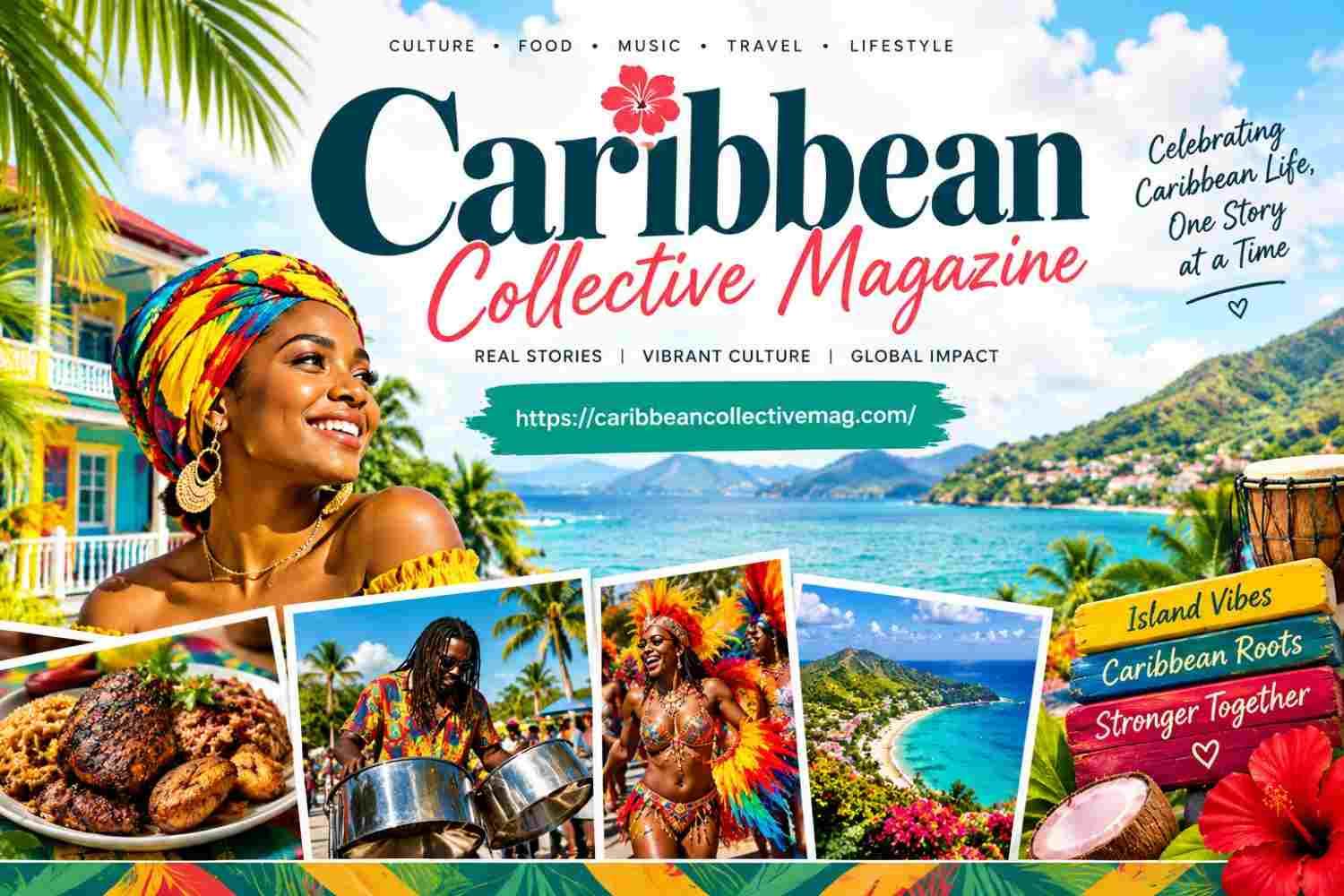
A publication such as Caribbean Collective Magazine can use these principles to connect readers with cultural discoveries while giving artists, businesses, and community voices room to tell their stories.
Frequently Asked Questions
1. What is a Caribbean lifestyle magazine?
A Caribbean lifestyle magazine covers topics such as island culture, food, music, fashion, travel, arts, heritage, and community life. Some publications also feature interviews, event guides, and stories about Caribbean communities living abroad.
2. What are examples of Caribbean arts and culture?
Examples include reggae, calypso, soca, dancehall, steelpan music, Carnival costume design, Caribbean literature, visual art, traditional dance, storytelling, and regional food traditions. Each country and community has its own cultural practices.
3. Where can I experience Caribbean culture in the USA?
You can explore Caribbean culture through community festivals, museums, concerts, restaurants, galleries, cultural organizations, and local markets. New York City and Miami are among the places with visible Caribbean communities, but events and organizations can be found in many other areas.
4. Why is Caribbean culture important to the diaspora?
Cultural traditions help people maintain connections with family history, language, food, music, and community. They can also help younger generations understand their heritage and develop new forms of cultural expression.
5. How can I learn more about Caribbean food?
Visit locally owned Caribbean restaurants, explore regional cookbooks, attend food festivals, and learn from chefs or home cooks who share their knowledge. Start by exploring dishes from specific countries rather than assuming all Caribbean cuisines are the same.
6. How can I find Caribbean art and artists?
Look for exhibitions at galleries and museums, follow local arts organizations, attend cultural festivals, and explore artist interviews and independent creative platforms. Check the artist's own channels for current exhibitions, collections, or events.
7. How can I contribute to Caribbean cultural preservation?
Support local artists and businesses, attend community events respectfully, learn about regional histories, share reliable cultural resources, and listen to the people whose traditions are being represented. Buying directly from creators and crediting their work can also help support cultural production.
Conclusion: Keep Discovering Caribbean Culture
Caribbean culture cannot be reduced to one sound, one dish, or one travel experience. It is a living collection of traditions, creative ideas, regional histories, and communities that continue to influence life across the world.
A Caribbean lifestyle magazine gives readers a way to explore that variety, from established art forms and family recipes to emerging voices and new cultural movements. For readers in the United States, it can also be a bridge between the Caribbean and its diaspora.
Explore Caribbean Collective Magazine for more stories about arts, culture, lifestyle, and the people shaping Caribbean identity. Follow the stories that interest you, support the creators behind them, and keep learning about the many cultures that make up the Caribbean.

 English
 Arabic
 French
 Spanish
 Portuguese
 Deutsch
 Turkish
 Dutch
 Italiano
 Russian
 Portuguese (Brazil)
 Greek