


Why Compact Machinery Works Well on Small and Restricted Job Sites
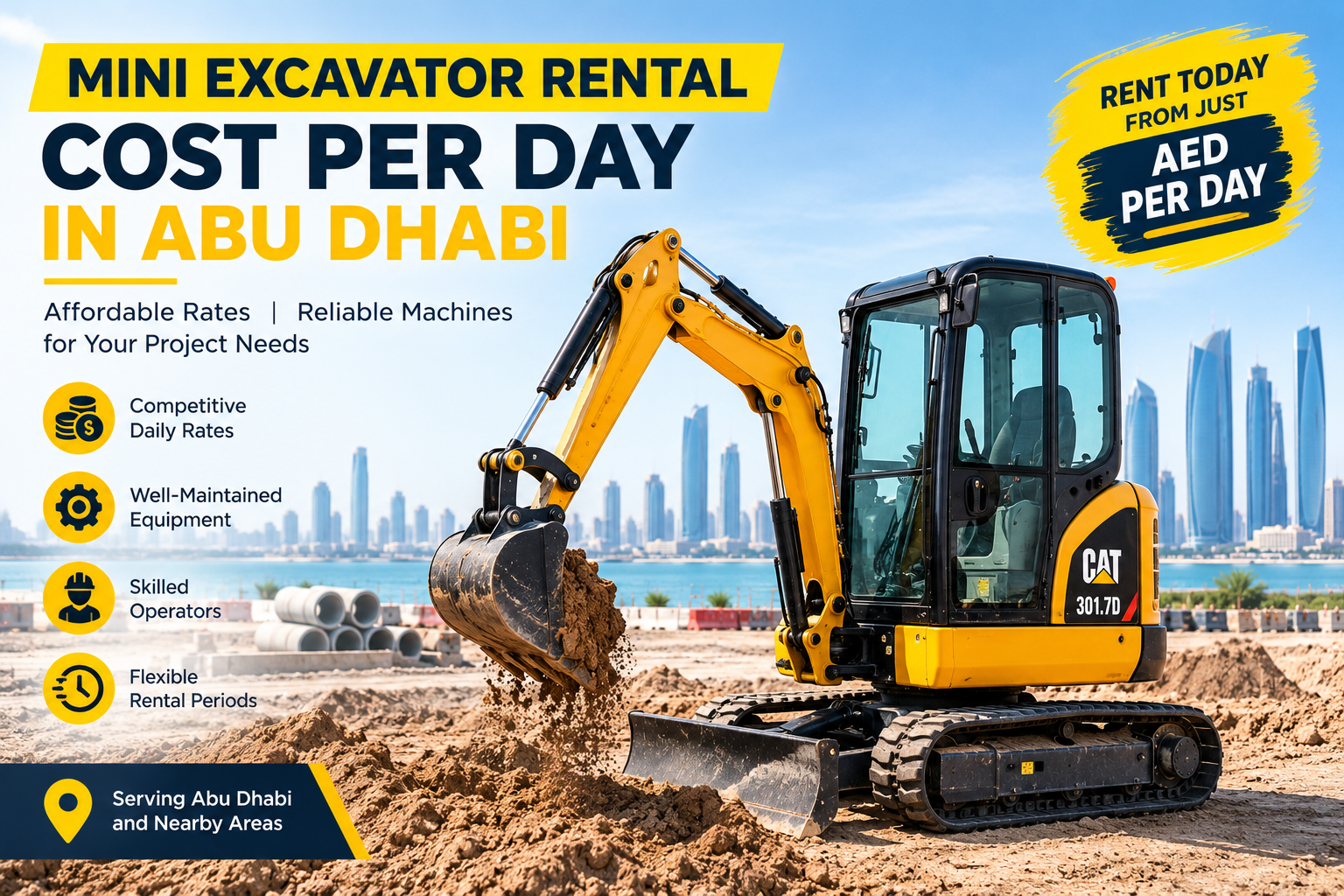
Small construction sites often present challenges that are less common on large, open projects. Limited access, nearby buildings, narrow pathways, and restricted working areas can make it difficult to use heavy machinery. Contractors must choose equipment that can complete the required work without taking up too much space. Compact construction machines offer a practical solution because they combine useful digging power with better manoeuvrability.
These machines are commonly used for residential construction, garden improvements, utility installations, drainage work, and small commercial developments. Their design allows operators to work in areas where larger equipment may struggle to enter or turn. Selecting the right compact machine can also help reduce site disruption and improve the use of available space.
Working Efficiently in Limited Spaces
One of the main benefits of compact machinery is its ability to operate in confined areas. Urban construction sites often have walls, fences, parked vehicles, and neighbouring properties close to the working zone. A large excavator may require additional space for movement, making certain tasks difficult to complete.
Compact machines usually have smaller dimensions, which allow them to pass through narrower entrances when site measurements permit. Their turning capabilities can also help operators position the equipment more easily around obstacles.
This advantage is especially useful for residential projects where contractors need to dig foundations, prepare garden areas, or install underground services without disturbing the entire property. However, access dimensions should always be checked before delivery because machine widths and heights vary between models.
Reducing Disruption Around Existing Structures
Construction work often takes place near buildings, pavements, driveways, and landscaped areas. Using oversized machinery in these locations may increase the risk of accidental damage or unnecessary disturbance.
Compact equipment allows workers to concentrate on a smaller area and carry out specific tasks with greater control. This can be helpful when digging beside existing structures or removing soil from narrow sections of a property.
Operators must still follow safe working practices and assess the surrounding environment before starting. The machine should have sufficient clearance, and underground utilities must be identified before excavation begins.
Compact machinery does not remove every site risk, but selecting an appropriately sized model can make restricted projects easier to manage.
Choosing Equipment for Different Groundwork Tasks
Compact excavators can support a range of construction activities. They are frequently used for trenching, shallow foundation preparation, landscaping, soil removal, and drainage installations. Their suitability depends on the required digging depth, ground conditions, and amount of material to be moved.
For projects involving heavier soil or deeper excavation, contractors should check the machine's digging force and operating capacity. A compact model may be convenient, but it must still be capable of completing the task safely.
When comparing options for Mini Excavator Rental in Abu Dhabi, contractors should consider the machine's dimensions, bucket capacity, digging depth, and operating weight. These details help determine whether the equipment can reach the work area and handle the expected workload.
The right choice should balance performance with the restrictions of the site. If the machine is too small, work may take longer than planned. If it is too large, access and positioning may become difficult.
Improving Productivity on Small Projects
Compact machinery can help small construction teams work more efficiently. Instead of moving soil manually or relying on several workers for tasks that require mechanical assistance, contractors can use an excavator to complete suitable digging operations.
This can reduce the physical workload and help maintain a steady pace throughout the project. The machine may also be repositioned between nearby work areas when access and operating conditions allow.
Productivity depends on more than machine size, however. Soil type, operator experience, weather, site organisation, and the distance required to move material all affect performance.
Contractors should prepare the work area before machinery arrives. Removing unnecessary obstacles, identifying soil disposal points, and organising delivery access can help reduce idle time.
Understanding Rental Costs and Budget Requirements
Budget planning is important for construction projects of every size. Rental prices may vary according to equipment specifications, hire duration, transport arrangements, attachments, and the availability of an operator.
Compact machinery can be a cost-effective choice when its capabilities match the work. However, the lowest daily price does not always provide the best overall value. A machine that lacks the required digging depth or power may need more working hours to complete the job.
Before confirming a rental, request a quotation that explains the included services and possible additional charges. Check whether delivery, collection, fuel, and maintenance support are covered.
It is also useful to estimate how many days the machine will be required. Extending a rental because of poor planning can increase project costs, so the schedule should allow enough time for excavation, repositioning, and unexpected site conditions.
Considering Operator Experience and Safety
Compact machines are easier to position in many restricted spaces, but they still require careful operation. The operator must understand the machine's controls, load limits, digging capabilities, and safety requirements.
Before starting work, inspect the machine and confirm that the operating area is suitable. Check for unstable ground, overhead obstacles, underground services, and nearby workers. Establish clear communication between the operator and the site supervisor.
It is also important to follow the manufacturer's operating instructions and use suitable personal protective equipment. Workers should stay clear of the machine's movement area and avoid entering unsafe excavation zones.
Regular checks during the rental period can help identify mechanical problems early. If the equipment develops a fault, work should stop when necessary, and the rental provider should be contacted for appropriate support.
When Compact Machinery Is the Best Option
Compact construction equipment is particularly useful when projects involve restricted access, limited working space, or tasks that require careful positioning. It can support landscaping, residential groundwork, utility installation, and smaller excavation operations without demanding the space needed by larger machines.
Before choosing a model, contractors should measure access points, assess the ground, estimate the workload, and confirm the required digging depth. Comparing these details with the available equipment specifications helps prevent unsuitable rental decisions.
Compact machinery is not the right solution for every project. Large-scale excavation, deep digging, and heavy material handling may require a more powerful machine. The goal is to choose equipment that matches the task rather than relying on size alone.
With careful planning and the right machine, contractors can make better use of restricted job sites, maintain an organised workflow, and complete small construction projects more efficiently.

 English
 Arabic
 French
 Spanish
 Portuguese
 Deutsch
 Turkish
 Dutch
 Italiano
 Russian
 Romaian
 Greek