


Industrial Flow Control for General Process Applications
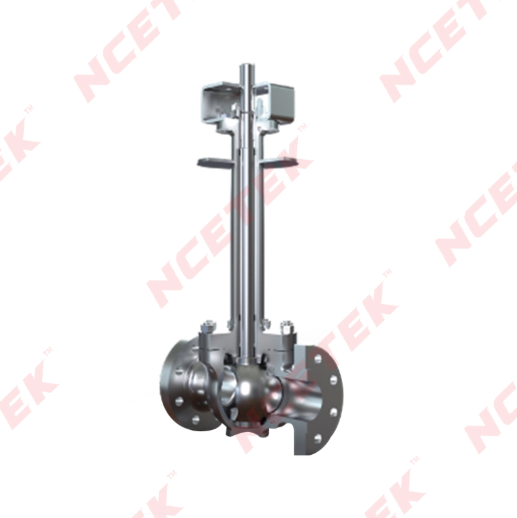
Industrial pipelines depend on reliable shutoff equipment to control the movement of liquids and gases during production, transportation, and processing. Valve selection should consider pressure, temperature, medium compatibility, connection requirements, and expected operating frequency. A Cast Steel Floating Ball Valve combines a cast steel body with a floating ball structure, making it a practical option for many industrial applications when its design limits match the intended service conditions.
In a floating ball valve, the ball is not fixed to a trunnion at the bottom and top. Instead, pressure from the upstream side helps press the ball against the downstream seat to create a seal. This structure can provide effective shutoff in suitable size and pressure ranges. The actual performance depends on the body design, seat material, machining accuracy, and specified operating conditions. Buyers should verify the manufacturer's pressure and temperature limits for the selected model.
Cast steel bodies are widely used in industrial valve manufacturing because they can be produced in configurations suited to a variety of pipeline requirements. The specific casting grade should be selected according to the medium, pressure, temperature, corrosion conditions, and relevant standards. Carbon steel may suit many general industrial services, while stainless or alloy materials may be considered when additional corrosion resistance or specialized mechanical properties are required.
Seat and sealing materials are equally important. Soft seats can provide tight shutoff in many applications, but their temperature and chemical compatibility limits must be observed. Depending on the process conditions, PTFE or other engineered polymers may be considered. For more demanding temperatures or media, a different seat structure may be required. The manufacturer should evaluate fluid composition, operating temperature, pressure, and cleaning requirements before recommending the sealing configuration.
Manufacturing accuracy affects valve reliability. The body, ball, stem, and seat components must meet dimensional requirements and be assembled with proper alignment. Ball surface finish and seat contact influence sealing performance and operating torque. Quality procedures may include incoming material inspection, dimensional checks, pressure testing, seat leakage testing, and functional verification. Testing should follow the applicable standard and the customer's purchase specification.
Floating ball valves are commonly used in petrochemical plants, water treatment facilities, industrial utilities, general manufacturing, and selected oil and gas applications. Their suitability depends on the pressure rating, size, temperature, and process medium. For high-pressure or larger-diameter pipelines, buyers may need to evaluate a trunnion-mounted design or another valve structure. Correct selection helps avoid excessive operating torque, accelerated wear, or unsuitable sealing performance.
Connection and actuation requirements should be defined before ordering. Flanged ends are commonly used for accessible installation and maintenance, while other connection types may be available depending on the model. Manual handles are suitable for many smaller valves, whereas gear operators or powered actuators may be appropriate for larger sizes or automated systems. Buyers should confirm face-to-face dimensions, flange standards, installation clearances, and actuator interfaces to ensure compatibility with the pipeline.
For international procurement, customization and documentation can be important. Buyers may require special body materials, seat materials, coatings, locking devices, product marking, or inspection records. Clear technical drawings and agreed specifications help coordinate manufacturing and reduce installation delays. Material certificates and test reports may be requested when required by project standards or quality procedures.
Before requesting a quotation, provide the nominal size, pressure class, operating temperature, medium, connection standard, material requirements, and operating method. If the valve will be used in a critical application, also identify the required inspection scope and acceptance criteria. These details allow the supplier to recommend a suitable design and confirm whether the requested configuration is available.
A properly specified Cast Steel Floating Ball Valve can support dependable isolation in suitable industrial pipeline systems. Zhejiang Naishi Valve Co., Ltd. supplies industrial valve solutions for different operating conditions and project needs. Explore available valve designs and product options at https://www.ncevalve.com/product/.

 English
 Arabic
 French
 Portuguese
 Deutsch
 Turkish
 Dutch
 Italiano
 Russian
 Romaian
 Portuguese (Brazil)
 Greek