


Reliable Pressure Generation for Fluid Systems
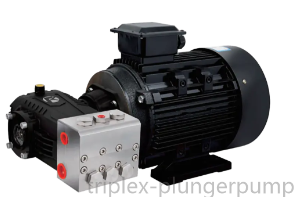
A Plunger Pump is a reciprocating pump that uses a moving plunger to displace fluid and generate pressure within a connected system. Its design can support applications that require controlled fluid delivery, including industrial cleaning, pressure testing, water treatment processes, and other suitable fluid-handling operations. For B2B buyers, selecting the right equipment requires an understanding of the required pressure, flow rate, fluid characteristics, working environment, and expected operating duration. These details help ensure that the selected configuration meets practical production and maintenance requirements.
During operation, the plunger moves through a pumping chamber while inlet and discharge valves control fluid movement. The plunger's reciprocating action changes the available chamber volume, allowing fluid to enter and then be discharged into the system. Compared with designs that rely on a piston moving with a close-fitting seal inside the cylinder, many plunger designs use a stationary sealing arrangement around the moving plunger. The exact construction depends on the model, and buyers should review manufacturer documentation to understand the equipment's design and service requirements.
Working pressure is a key specification because it determines the resistance the pump can overcome and the force available for the intended task. Applications involving cleaning, testing, or industrial processing may require different operating ranges. Buyers should identify the normal working pressure as well as any peak requirements, where applicable. Selecting equipment solely by its maximum rated pressure may overlook other important factors, including flow capacity, drive power, and continuous-duty suitability. The complete operating range should be considered before confirming an order.
Flow rate is equally important. It determines the volume of fluid delivered over time and can affect cleaning speed, process throughput, or the time required to complete a specific operation. A system that requires a large volume of water may need a different configuration from one designed for a relatively low flow at elevated pressure. Pressure and flow are also related to power demand, so the drive system must be suitable for the intended operating point. Providing accurate requirements to the supplier can help prevent mismatches between the pump and the application.
Material selection should reflect the fluid being handled and the operating environment. The plunger, seals, valves, pump head, and connecting components may be exposed to pressure, temperature changes, corrosion, or abrasive contamination. The suitability of each material depends on the fluid's chemical properties and the conditions under which the equipment operates. Stainless steel and other specialized materials may be considered where appropriate, but corrosion resistance should be assessed against the actual application rather than assumed from the material name alone. Buyers should disclose fluid composition and temperature requirements during the selection process.
Installation quality has a direct impact on reliability. The inlet supply must meet the manufacturer's specifications, and the discharge line must be designed for the intended pressure and flow. Inadequate inlet supply, restricted pipework, air entering the system, or unsuitable fittings can contribute to unstable operation and unnecessary wear. Pressure-rated hoses, connections, and appropriate protective devices should be selected for the entire system. Adequate space should also be provided for routine inspection and servicing, particularly in installations where equipment access is limited.
Preventive maintenance helps reduce unplanned interruptions. Operators should inspect seals and connections for leakage, monitor pressure and flow, and investigate unusual noise or vibration. Service intervals depend on the model, operating hours, fluid conditions, and manufacturer's recommendations. Proper startup and shutdown procedures can reduce unnecessary stress on internal components. Where the pump is used frequently, maintaining a record of operating hours, inspections, and replacement parts can help maintenance teams plan service activities before performance declines significantly.
Safety is especially important in high-pressure systems. Every pressure-bearing component must be suitable for the intended operating conditions, and system pressure must remain within approved limits. Operators should never disconnect hoses or open the pump while pressure remains trapped in the system. Before maintenance, the drive should be isolated and residual pressure released in accordance with the manufacturer's instructions. Appropriate protective equipment and operator training are necessary to support safe use.
For industrial purchasing teams, a clear quotation should identify the model, rated pressure, flow rate, drive power, operating speed, materials, connection dimensions, and included accessories. Buyers should also verify spare parts availability, technical documentation, warranty terms, and delivery schedules. When evaluating a Plunger Pump, businesses should prioritize verified specifications, compatibility with the intended fluid, ease of maintenance, and supplier support. To review available configurations and product information, visit https://www.triplex-plungerpump.com/product/pumps/ for FEIKE's pump solutions.

 English
 Arabic
 French
 Spanish
 Portuguese
 Deutsch
 Turkish
 Dutch
 Russian
 Romaian
 Portuguese (Brazil)
 Greek