


SaaS Development: A Complete Guide Introduction
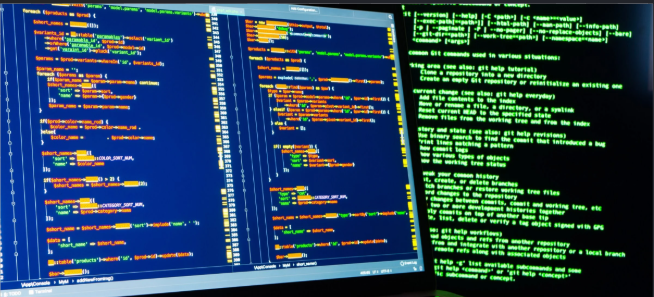
Software as a Service (SaaS) development is an important area of modern software engineering that focuses on creating applications delivered to users over the internet. Instead of purchasing software that must be installed and maintained on individual computers, users can access SaaS applications through a web browser or a dedicated application, usually through a subscription or usage-based payment model.
SaaS development has transformed the way businesses and individuals use software. Applications for project management, customer relationship management, accounting, communication, marketing, and file storage are increasingly delivered through cloud-based platforms. This approach allows users to access services from different locations and devices without managing all the underlying infrastructure themselves.
Developing a successful SaaS product requires more than creating a functional application. It involves designing a scalable architecture, managing user accounts, protecting customer data, handling subscriptions, maintaining reliable infrastructure, and continuously improving the product. Understanding these elements helps developers build SaaS solutions that deliver long-term value.
What Is SaaS Development?
SaaS development is the process of designing, building, deploying, and maintaining software that is hosted on infrastructure accessible through the internet. The software provider manages the application and its underlying services, while customers access the available features remotely.
Traditional software often requires users to install applications and manage updates themselves. SaaS applications, by contrast, are commonly updated centrally by the provider. Users can receive improvements without manually installing every new version.
Examples of SaaS products include online accounting platforms, email services, team collaboration tools, customer management systems, and cloud-based design applications.
SaaS products may serve individual users, small businesses, large enterprises, or specialized industries. Some offer free plans with optional paid upgrades, while others charge recurring subscription fees or base pricing on usage.
The primary goal of SaaS development is to deliver software that is accessible, reliable, secure, and easy to maintain while supporting the needs of multiple customers.
Key Characteristics of SaaS Applications
SaaS applications have several characteristics that distinguish them from many traditional software products.
1. Cloud-Based Accessibility
SaaS applications are typically hosted on remote infrastructure and accessed through the internet. Users can work from different locations without depending entirely on a particular computer.
This accessibility makes SaaS useful for distributed teams, remote workers, and organizations with multiple offices.
2. Subscription-Based Pricing
Many SaaS products generate revenue through monthly or annual subscriptions. Some use usage-based pricing, while others combine subscriptions with limits on storage, users, transactions, or advanced features.
Recurring revenue can help providers plan investments in infrastructure, product improvements, and customer support.
3. Centralized Updates
The provider can deploy updates centrally, allowing customers to benefit from bug fixes, security improvements, and new features without managing individual installations.
However, updates must be carefully tested to avoid disrupting the experience of existing users.
4. Scalability
SaaS applications should be designed to accommodate changes in the number of users, the volume of data, and the amount of processing required.
Scalable infrastructure helps a product grow without requiring a complete redesign whenever demand increases.
5. Multi-Tenancy
Many SaaS platforms use a multi-tenant architecture in which multiple customers share application infrastructure while their data and permissions remain appropriately separated.
Multi-tenancy can improve operational efficiency and simplify maintenance. However, it requires careful design of access controls, data isolation, and customer-specific settings.
Types of SaaS Applications
SaaS development covers many categories of software, depending on the problems a product is designed to solve.
Customer Relationship Management (CRM): These applications help businesses organize customer information, manage sales opportunities, track interactions, and improve customer relationships.
Project Management Software: These tools support task assignment, progress tracking, team collaboration, scheduling, and project reporting.
Accounting and Financial Software: These platforms help users manage invoices, expenses, financial records, budgets, and business reporting.
Human Resource Management Software: HR applications support employee records, recruitment, attendance, payroll workflows, and performance management.
Marketing Automation Software: These tools help businesses organize campaigns, manage contacts, analyze engagement, and automate repetitive marketing tasks.
Communication and Collaboration Platforms: These applications provide messaging, video meetings, file sharing, and collaborative workspaces.
Industry-Specific SaaS: Some products are designed for particular sectors, such as healthcare, education, real estate, logistics, or manufacturing. They may include specialized workflows and industry-specific compliance requirements.
Technologies Used in SaaS Development
Choosing the right technology stack is an important step in creating a SaaS application. The selection depends on the product's requirements, expected scale, team expertise, security needs, and operating costs.
Frontend Technologies
The frontend is the part of the application users interact with directly. HTML, CSS, and JavaScript are fundamental web technologies used to create interactive interfaces.
Frameworks such as React, Angular, and Vue can help developers organize complex interfaces into reusable components.
A good frontend should be responsive, accessible, and easy to navigate across supported devices.
Backend Technologies
The backend handles business logic, authentication, permissions, data processing, and communication with databases or external services.
Developers may use programming languages and frameworks such as Python with Django or FastAPI, JavaScript or TypeScript with Node.js, Java with Spring, or C# with .NET.
The best option depends on the application's complexity, performance requirements, ecosystem, and maintainability.
Databases
Databases store information such as customer profiles, subscription records, application settings, transactions, and business data.
Relational databases, including PostgreSQL and MySQL, are useful when structured data and transactional consistency are important. Other database technologies may be suitable for specialized workloads.
Database design must consider performance, backup procedures, data integrity, and appropriate separation of customer information.
Cloud Infrastructure
Cloud platforms provide computing resources, storage, networking, monitoring, and other services needed to operate SaaS applications.
Developers may use managed services to reduce infrastructure management work. However, cloud architecture must be designed carefully to control costs, protect data, and maintain availability.
APIs and Integrations
Application programming interfaces, or APIs, allow SaaS applications to communicate with other software systems. Integrations may support payment processing, email delivery, identity providers, analytics, and third-party business tools.
Well-designed APIs help SaaS products become more flexible and easier to integrate into customers' existing workflows.
The SaaS Development Process
Developing a SaaS product requires a structured process that balances product requirements, technical decisions, and business goals.
1. Market Research and Requirement Analysis
The first step is identifying the target audience and understanding the problem the product will solve. Developers and product teams examine customer needs, existing solutions, competing products, and potential opportunities.
Clear requirements help establish priorities and prevent unnecessary features from complicating the initial release.
2. Product Planning and Design
The team defines the product's core functionality, user journeys, pricing approach, and technical architecture.
Designers create wireframes and prototypes to evaluate how users will interact with the application. The initial version should focus on the most important problems rather than attempting to include every possible feature.
3. Architecture and Technology Selection
Developers choose the frontend, backend, database, hosting environment, and supporting services.
The architecture should account for security, expected workload, customer data isolation, deployment procedures, and future expansion.
For many early-stage products, a well-structured monolithic application can be simpler and more economical than beginning with a complex microservices architecture.
4. Application Development
During implementation, developers build essential features such as account registration, authentication, dashboards, data management, search, reporting, and administrative tools.
If the product uses paid subscriptions, the team may also implement plan selection, payment integration, subscription status management, and billing workflows.
5. Testing and Security Validation
Testing verifies that the application works correctly and protects customer information.
The team should test core functionality, access permissions, payment workflows, performance, failure handling, and data separation between customers. Security reviews and vulnerability testing are also important.
6. Deployment and Launch
After testing, the application is deployed to its production environment. The team configures domains, secure connections, monitoring, backups, and deployment procedures.
A gradual rollout can help identify problems before the product becomes available to a larger audience.
7. Monitoring and Continuous Improvement
After launch, developers monitor performance, application errors, infrastructure costs, and user feedback.
Regular improvements help fix problems, strengthen security, enhance usability, and introduce features that customers value.
Security and Data Protection in SaaS
Security is one of the most important responsibilities in SaaS development because providers may store and process information belonging to many customers.
Authentication verifies the identity of users, while authorization determines which resources they are permitted to access. Role-based permissions can help restrict sensitive operations to appropriate users.
Encryption helps protect data during transmission and, where appropriate, while stored. Secure session management, input validation, dependency updates, and careful secrets management further reduce security risks.
Multi-tenant applications require particular attention to data isolation. A user from one organization must not be able to access another organization's records by manipulating an identifier or exploiting an authorization weakness.
SaaS providers should also establish backup and recovery procedures, monitor suspicious activity, and prepare incident response plans. Depending on the industry and customer base, privacy laws and contractual requirements may impose additional obligations.
Security should be incorporated into the development process from the beginning rather than added only after a product has been released.
Challenges in SaaS Development
SaaS development involves several challenges that can affect both technical performance and business success.
Scalability: An application that works well for a small group may struggle when usage increases. Developers must identify performance bottlenecks and expand resources when needed.
Data security: Protecting customer information requires strong access controls, secure configuration, careful data handling, and ongoing monitoring.
Infrastructure costs: Hosting, storage, data transfer, monitoring, and third-party services can become expensive. Providers must balance reliability with operational efficiency.
Service availability: Customers may depend on SaaS applications for essential operations. Outages can interrupt workflows and reduce trust.
Subscription management: Billing errors, failed payments, plan changes, renewals, and cancellations require reliable processes.
Customer retention: SaaS products depend on continuing customer value. Poor usability, missing features, unreliable service, or inadequate support can lead users to cancel subscriptions.
Continuous maintenance: Applications need regular updates, compatibility improvements, security fixes, and infrastructure management.
Addressing these challenges requires thoughtful architecture, clear operational procedures, effective customer support, and continuous product improvement.
Future of SaaS Development
The future of SaaS development will be shaped by artificial intelligence, automation, cloud computing, and changing customer expectations.
Artificial intelligence can support intelligent search, document processing, personalized recommendations, automated workflows, and conversational interfaces. Developers must ensure that these features are reliable and that customer information is handled appropriately.
Automation will continue to improve software testing, deployment, monitoring, and infrastructure management. These capabilities can help teams release improvements more efficiently while reducing repetitive operational tasks.
Vertical SaaS, which focuses on the specific needs of individual industries, may also create opportunities for specialized products. Instead of serving every type of business, these applications can provide features tailored to particular professional workflows.
Security, privacy, interoperability, and cost efficiency will remain central concerns. Customers increasingly expect SaaS products to integrate with their existing tools, protect their data, and provide dependable service.
Conclusion
SaaS development is a modern approach to creating and delivering software through internet-accessible services. It allows users to access applications without managing all the underlying infrastructure and enables providers to maintain products through centralized updates and ongoing improvements.
Successful SaaS development requires careful product planning, appropriate technology selection, scalable architecture, secure data management, reliable billing, and effective customer support.
Although challenges involving security, infrastructure costs, scalability, and customer retention remain significant, a structured development process can help teams build sustainable products that respond to real customer needs.
Ultimately, SaaS development is about more than hosting software in the cloud. It involves delivering continuous value through accessible, secure, reliable, and adaptable digital services. As businesses and individuals increasingly rely on online software, SaaS will remain an important part of the modern technology landscape.

 English
 Arabic
 French
 Spanish
 Deutsch
 Turkish
 Dutch
 Italiano
 Russian
 Romaian
 Portuguese (Brazil)
 Greek