


Is Rawhide Good for Dogs? Benefits, Risks, and Safety Tips
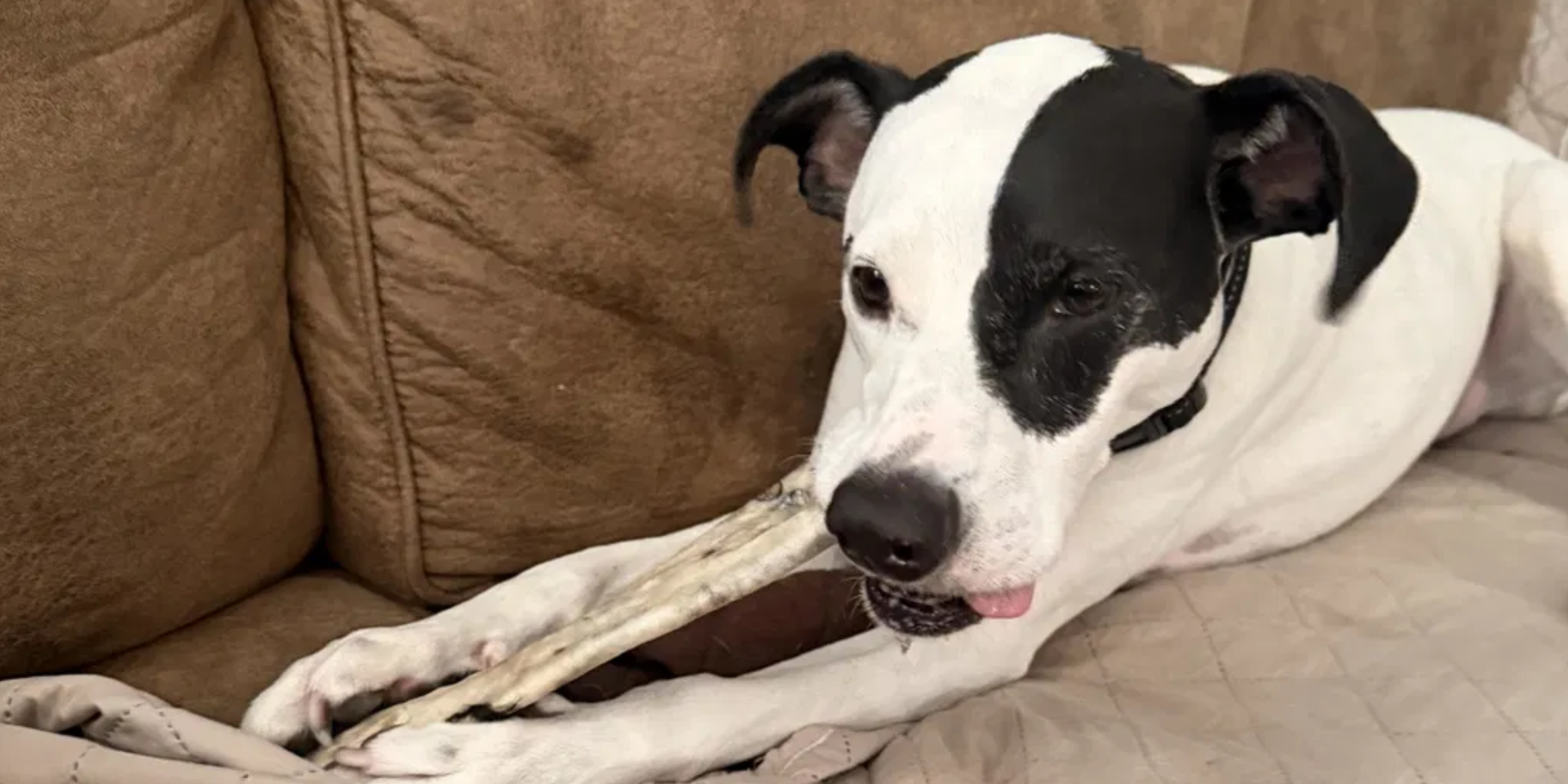
Rawhide chews are widely used by dog owners who want to keep their pets occupied and satisfy their natural urge to chew. Made from the inner layers of animal hides, these chews are available in rolls, sticks, chips, and other shapes. Their firm texture can provide an engaging chewing activity, but their suitability depends on the dog's size, chewing habits, and the quality of the product. Before adding rawhide to a dog's routine, it is important to understand both its potential benefits and its risks.
When asking is rawhide good for dogs, pet owners should consider how the chew is manufactured, whether it contains unnecessary additives, and how their dog handles it during chewing. Some dogs can enjoy appropriately selected rawhide under supervision, while others may be at greater risk of choking or digestive complications. Choosing the right size, checking ingredients, and monitoring each chewing session can help owners make more informed decisions about their pets' treats.
What Is Rawhide for Dogs?
Rawhide is made from the inner layer of animal skin, commonly cattle hide, that is cleaned and processed into a chewable material. Manufacturers shape it into different products, including rawhide bones, rolls, sticks, and chips. Its firm texture encourages dogs to gnaw, making it appealing to pets that enjoy prolonged chewing.
Rawhide is different from ordinary meat treats because it is primarily made from hide rather than muscle meat. Processing methods vary between manufacturers, and some products may contain added flavors, colors, or preservatives. Reading the ingredient label and understanding the preparation process can help pet owners assess what they are purchasing.
Although rawhide is a common dog chew, it is not automatically suitable for every pet. Its texture, shape, and digestibility should be considered before offering it to a dog.
What Are the Potential Benefits of Rawhide?
Rawhide can provide several potential benefits when a dog can handle it safely.
1. Satisfies Natural Chewing Instincts
Chewing is a normal canine behavior. Dogs may chew to investigate objects, relieve boredom, or simply enjoy the activity. A suitable chew can give them an appropriate outlet for this instinct and help redirect their attention away from household items.
2. Provides Mental Stimulation
Working on a chew can keep some dogs engaged for a period of time. This activity may be useful during quiet periods when a dog needs additional enrichment. However, rawhide should never replace exercise, interactive play, training, or social interaction.
3. May Help Remove Some Surface Debris From Teeth
The mechanical action of chewing may help loosen some soft material from tooth surfaces. However, rawhide does not replace toothbrushing, veterinary dental examinations, or professional dental cleaning when needed. Chews that are excessively hard can also cause tooth fractures.
4. Comes in Different Shapes and Sizes
Rawhide products are available in various forms, making it possible to select a chew based on a dog's size and chewing style. Nevertheless, a product's shape or size alone does not guarantee safety. Owners should consider the dog's ability to break off pieces and whether the chew becomes small enough to swallow.
What Are the Risks of Rawhide for Dogs?
Despite its popularity, rawhide carries important safety concerns that every dog owner should understand.
1. Choking Hazards
As rawhide softens, dogs may tear off pieces and swallow them. Large or poorly chewed pieces can become lodged in the throat, potentially obstructing breathing. Dogs that chew aggressively or gulp food and treats may face greater risks.
Always supervise your dog while chewing. Remove the product when it becomes small enough to swallow or begins breaking into loose pieces.
2. Digestive Problems
Rawhide may be difficult for some dogs to digest, particularly when large pieces are swallowed. This can lead to vomiting, diarrhea, stomach discomfort, or a potentially serious intestinal blockage.
Contact a veterinarian promptly if your dog swallows a large piece. Repeated vomiting, abdominal pain, unusual lethargy, difficulty passing stool, or loss of appetite warrants urgent veterinary attention.
3. Tooth Damage
Some rawhide products can be quite firm, and powerful chewers may bite down hard enough to damage their teeth. Dogs with existing dental problems may need softer or alternative chewing options recommended by a veterinarian.
4. Processing and Ingredient Concerns
Manufacturing methods differ across products. Some rawhide chews may contain additional ingredients, while others have simpler formulations. Pet owners should read labels carefully and avoid products that do not clearly explain their ingredients or preparation methods.
A product described as natural is not necessarily risk-free. Quality, processing, size, and the dog's chewing behavior all matter.
How to Choose Rawhide More Carefully
If you are considering rawhide for your dog, use the following guidelines:
-
Read the ingredient list: Look for clear labeling and understand any added ingredients.
-
Check the manufacturing information: Consider how the hide is cleaned, processed, and dried.
-
Select an appropriate size: Avoid chews that your dog can swallow whole or break into large pieces.
-
Consider chewing strength: Dogs that bite forcefully or consume treats quickly may need alternatives.
-
Supervise every session: Never leave your dog alone with rawhide.
-
Inspect the chew regularly: Remove it if it becomes small, damaged, or easy to swallow.
-
Consult your veterinarian: Seek advice if your dog has digestive sensitivities, dental disease, or a history of swallowing objects.
Puppies require particular care because their teeth and chewing habits are still developing. Rawhide may not be suitable for every puppy, so discuss age-appropriate options with a veterinarian.
Are There Alternatives to Rawhide?
Pet owners who prefer to avoid traditional rawhide can consider other chewing options based on their dog's needs.
Natural Beefhide Chews
Beefhide chews are made from cattle hide and may appeal to owners looking for hide-based products. However, beefhide and rawhide are closely related hide products, and the terms may overlap depending on manufacturing and marketing practices. Switching between them does not automatically eliminate choking or digestive risks.
Rubber Chew Toys
Durable rubber toys designed for dogs can provide chewing enrichment without being intended for consumption. Choose a suitable size and firmness, and replace damaged toys.
Other Veterinarian-Approved Chews
Some dogs may do better with appropriately sized dental chews or alternative products selected with veterinary guidance. Suitability depends on chewing strength, dietary needs, and individual health considerations.
Why Consider Ugly Chews for Natural Dog Chews?
For owners interested in minimally processed hide products, Ugly Chews offers natural dog chews made from whole cattle hides. The brand focuses on simple ingredients, water cleaning, and direct sunlight drying, without unnecessary chemical treatments.
Its product range includes hair-on hide rolls and chips, chunks, and scraps. These options may appeal to owners looking for straightforward hide-based chews and a zero-waste approach to using cattle hides.
However, naturally processed hide chews still require responsible handling. Check the size and firmness of each product, supervise your dog throughout chewing, and remove any pieces that become small enough to swallow. If your dog has a history of digestive problems or aggressive chewing, ask your veterinarian whether a hide-based chew is appropriate.
Frequently Asked Questions
1. Is rawhide safe for all dogs?
No. Some dogs may face increased choking, digestive, or dental risks. Suitability depends on chewing habits, product characteristics, age, and individual health.
2. Can dogs digest rawhide?
Dogs may digest some rawhide material, but large swallowed pieces can be difficult to pass and may cause dangerous intestinal blockages.
3. Is rawhide good for cleaning teeth?
Chewing may remove some soft surface debris, but rawhide is not a substitute for brushing or professional veterinary dental care.
4. Can puppies chew rawhide?
Rawhide may not be appropriate for every puppy. Consult a veterinarian about suitable chewing products for your puppy's age and developing teeth.
5. How long should a dog chew rawhide?
There is no universal safe duration. Keep sessions supervised, follow product instructions, and remove the chew when it becomes damaged or small.
6. What should I do if my dog swallows rawhide?
Contact your veterinarian promptly for guidance. Seek emergency care if your dog shows choking, breathing difficulty, repeated vomiting, abdominal pain, or marked lethargy.
Conclusion
Rawhide can provide chewing enjoyment and mental stimulation for some dogs, but it also carries risks that should not be overlooked. Choking, digestive blockages, and tooth damage are important considerations when selecting any firm chew. Owners should assess ingredients, choose an appropriate size, and supervise their pets throughout every session.
For those interested in minimally processed hide-based options, Ugly Chews offers products made from whole cattle hides using a simple preparation approach. Regardless of the product, prioritize your dog's individual needs and consult a veterinarian whenever you are uncertain about chew safety.

 English
 Arabic
 French
 Spanish
 Portuguese
 Deutsch
 Turkish
 Italiano
 Russian
 Romaian
 Portuguese (Brazil)
 Greek