


U4GM's Madden 27 Defense Guide: Outsmart Opponents with Loop Blitzes
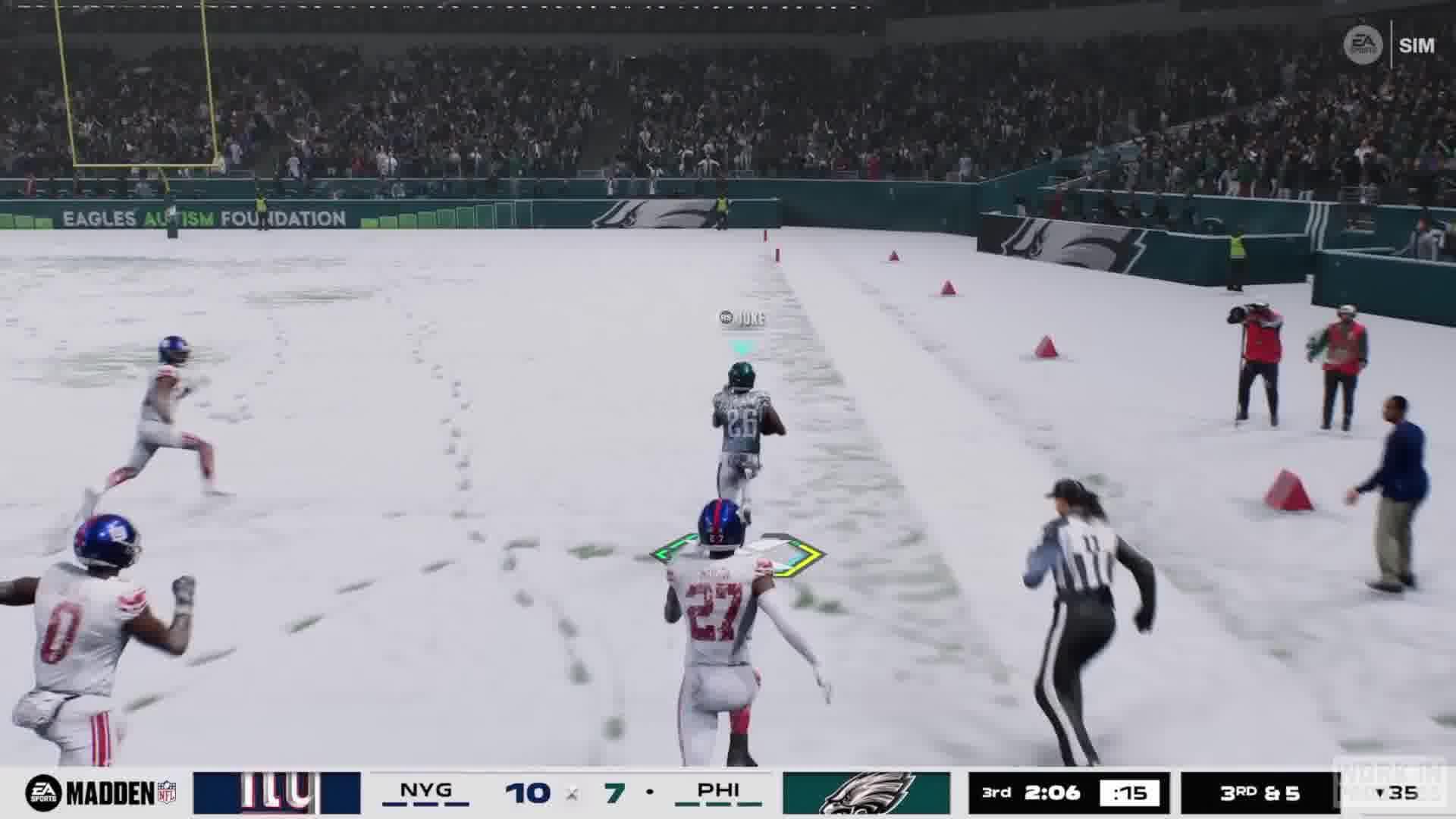
If you want to improve your defense in Madden 27, mastering the 3-3 Odd formation can give you a significant advantage against pass-heavy opponents. Featured in the Minnesota Vikings defensive playbook and several other playbooks, this formation offers excellent edge pressure and loop blitz opportunities. With the right adjustments, you can disrupt opposing quarterbacks without sending too many defenders on every play. Whether you are refining your defensive strategy or improving your overall team setup with Mut coins, learning these three blitz variations can help you become a more dangerous opponent online.
Setting Up the 3-3 Odd Formation
The key play for this strategy is Linebacker Cross Zero. It uses Cover 0 man-to-man coverage and provides several adjustment options for creating pressure. Before running the play, consider using a defensive end substitution package or placing faster safeties at linebacker positions. Speed is especially valuable because your blitzers need to reach the quarterback before receivers can exploit the coverage.
Start by making a few straightforward pre-snap adjustments. Set your linebackers to Show Blitz, activate QB Contain on both sides, pinch the defensive line, and press your secondary. Set option defense to Conservative to reduce the risk of giving up easy quarterback runs. You can also use Conservative Ballhawk settings if you prefer a more controlled defensive approach. Meanwhile, set your zone coverage strategy and blitz timing to Aggressive.
These adjustments create a consistent starting point for all three blitz variations. However, you should still pay attention to the offensive formation and adjust your containment and blitz direction when necessary.
Blitz Variation One: Five-Man Edge and Loop Pressure
The first setup sends five defenders after the quarterback. This is generally the most reliable variation because it combines pressure from the edge with a looping defender who attacks through the offensive line.
Begin by slanting the defensive line toward the right. The outside linebacker alignment can help you identify the appropriate direction, although the best angle may depend on the formation and field position. Reapply QB Contain after making the slant adjustment, then manually send the designated linebacker on a blitz rather than leaving him in contain. Finally, control a defender in a Hook Curl zone to protect against short routes.
When executed correctly, one defender attacks from the edge while another loops around the offensive line. Even if a blocker picks up the looping rusher, the edge pressure can still force the quarterback to move or throw before he is ready.
The press-man coverage also makes quick reads more difficult. However, it is not unbeatable. Receivers can gain separation with quick slants, and streak routes may exploit the space behind pressed defenders. If necessary, adjust your coverage leverage to protect against vertical routes.
Against empty protection, this setup can be especially effective. Standard pass protection may struggle to handle both the looping rusher and the extra edge pressure. However, a half-slide toward the right can improve the offense's blocking success. If opponents repeatedly use that adjustment, consider preparing a second defensive setup that slants and contains toward the opposite side.
Blitz Variation Two: Four-Man Loop Blitz
The second variation focuses on generating pressure with only four rushers. This approach is useful when you want to preserve additional coverage against quick passes and formations with multiple receiving threats.
Start with the same basic defensive adjustments, including a right defensive line slant and QB Contain. Instead of sending every available linebacker, place Dallas Turner in a zone such as Three-Reck Hook, Curl Flat, or Vertical Hook. Then manually blitz Van Ginkel while keeping your user-controlled defender in Hook Curl coverage.
This arrangement allows the loop rush to develop while maintaining more defensive coverage than the five-man version. It can be particularly useful against opponents who rely on quick slants or routes designed to beat press-man coverage immediately.
Because only four defenders are rushing, the result depends heavily on offensive protection. Sometimes, the center or a sliding blocker will recognize the loop and neutralize the pressure. That is normal: a four-man rush will not win every time. Still, faster defenders and well-timed adjustments can make this variation effective without sacrificing too much coverage.
You can also adapt your coverage responsibilities based on the opponent's tendencies. If seam routes become a problem, switch to a safety and protect the middle of the field. If the running back stays in to block, consider adjusting your assignments to account for the additional protection.
Blitz Variation Three: Attack From the Opposite Edge
The third option changes the direction of the looping pressure. Instead of relying on the same rush angle, send a linebacker such as Dallas Turner from the opposite edge while keeping the rest of the defensive structure relatively consistent.
This variation is useful when an opponent begins anticipating your original blitz. Changing the pressure direction forces the offensive line to identify a different threat and can create opportunities for a defender to break through.
You can still use the standard containment and slant adjustments, but experiment with the direction rather than assuming one alignment will work against every protection scheme. In some situations, slanting toward the right may help the initial pressure; in others, attacking from the opposite side may create a better angle.
Remember that no blitz will succeed on every snap. Offensive adjustments, running back protection, and individual blocking animations can all influence the result. If a defender fails to get through, the play may still force a hurried throw or disrupt the quarterback's timing.
How to Counter Offensive Adjustments
The most important lesson is to avoid becoming predictable. A half-slide toward the right can be an effective response to certain versions of this blitz, so switch the pressure direction when opponents repeatedly use that protection. You can also prepare separate defensive audibles or preset adjustments to make switching between right-side and left-side pressure easier.
At the same time, watch for quick slants, seam routes, and running backs staying in to block. These adjustments can reduce your pressure or expose gaps in coverage. Use the four-man variation when you need more defenders in coverage, and return to the five-man setup when you want a more aggressive pass rush.
Final Thoughts
The Madden 27 3-3 Odd formation is a versatile defensive option because it combines edge pressure, looping rushers, and flexible coverage adjustments. The five-man blitz offers more consistent pressure, the four-man loop provides additional coverage support, and the opposite-edge variation helps keep opponents guessing. Practice all three setups, pay attention to offensive protection, and adjust your approach instead of relying on one play every time. With better defensive timing and a well-rounded roster, you can make your Madden 27 defense more difficult to read, while using resources wisely and choosing whether to cheap Madden 27 coins to support your wider team-building goals.

 English
 Arabic
 French
 Spanish
 Portuguese
 Deutsch
 Turkish
 Dutch
 Italiano
 Russian
 Portuguese (Brazil)
 Greek