


Dual Speed Motor Suppliers in India: Industrial Uses, Features and Buying Considerations
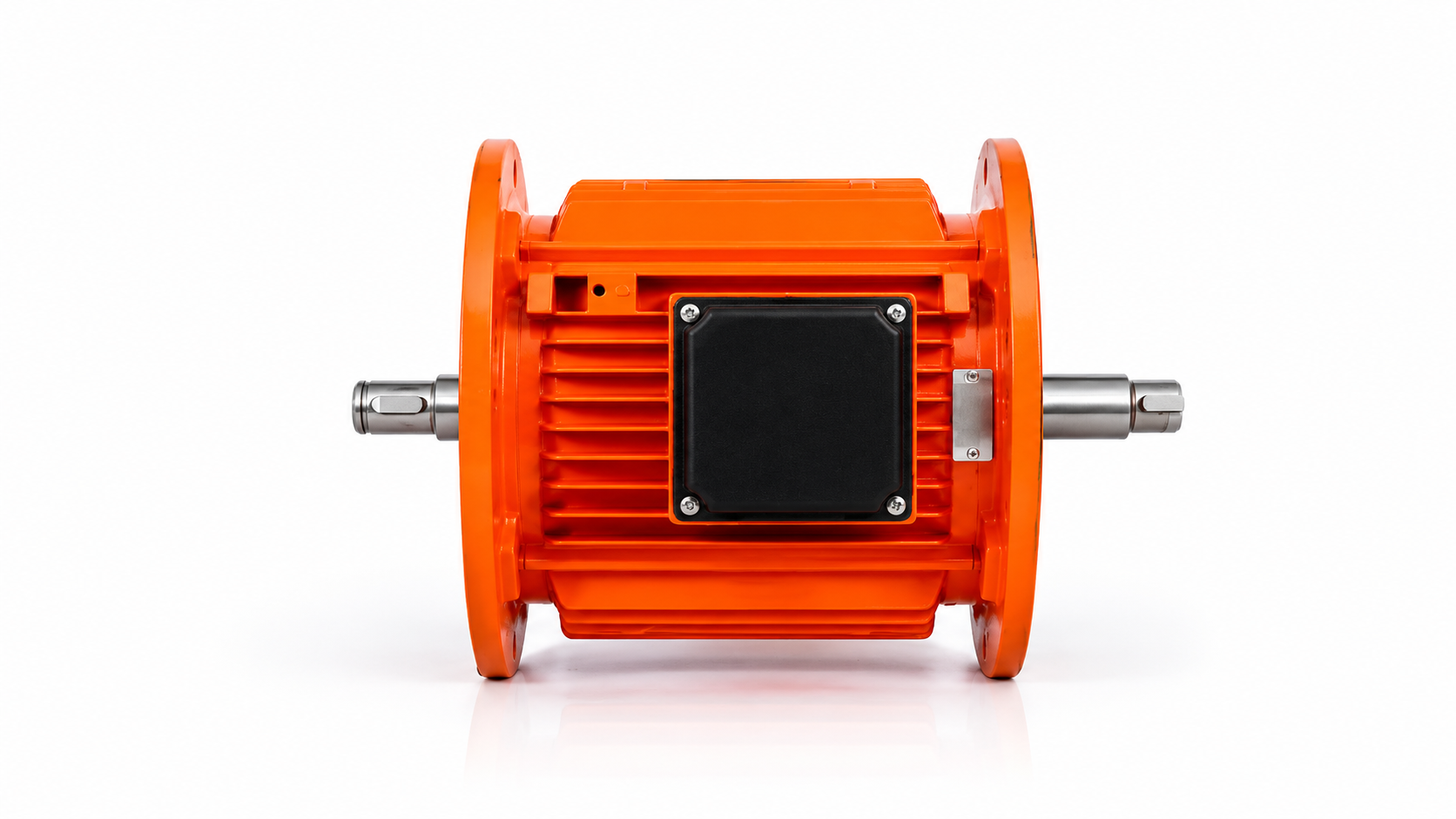
Industrial operations often require machinery to perform different tasks at different speeds. Whether a facility handles material movement, manufacturing, ventilation or automated production, selecting the right electric motor is essential for maintaining operational efficiency. A Dual Speed Motor offers a practical solution for equipment that needs two defined operating speeds without requiring continuously variable speed control.
For industrial equipment manufacturers, maintenance teams, wholesalers and procurement managers, understanding motor specifications before purchasing can help prevent compatibility issues and unnecessary operating costs. Choosing experienced Dual Speed Motor Manufacturers also makes it easier to identify a motor that matches the equipment's mechanical and electrical requirements.
Understanding Dual Speed Motor Technology
A Dual Speed Motor is an electric motor engineered to run at two predetermined speeds. Depending on its design, the motor may use pole-changing windings or separate windings to provide different speed settings.
In a pole-changing induction motor, changing the number of magnetic poles changes the synchronous speed at a fixed supply frequency. Separate-winding designs use different winding configurations to achieve the required operating speeds. The actual speed also depends on factors such as motor slip and load.
This arrangement is suitable for machinery that requires a high-speed and a low-speed operating mode. Unlike a variable frequency drive, which can provide a wider range of controlled speeds when appropriately configured, a conventional dual-speed motor generally operates at its designed speed settings.
Businesses interested in industrial motor configurations can explore the Dual Speed Motor solutions available from Altra Motors to review the relevant product information.
Why Do Industries Use Dual Speed Motors?
Industrial equipment does not always need to run at maximum speed. Certain processes require slower movement for positioning, handling or controlled operation, while other stages benefit from faster movement.
A dual-speed motor allows machinery to switch between two predefined speeds according to the requirements of the process. When the motor is correctly selected, this arrangement can simplify equipment operation and provide useful flexibility.
The main advantages include:
1. Two Operating Speeds in One Motor
A dual-speed motor provides two defined speed options in a single motor assembly. This can be useful when a machine repeatedly switches between two operating conditions during a production cycle.
2. Support for Different Production Requirements
Some manufacturing processes involve loading, positioning, processing and transferring materials at different speeds. A suitable dual-speed configuration can accommodate these requirements without needing separate motors for every speed.
3. Practical Equipment Integration
For applications that need only two fixed speeds, a dual-speed motor may provide a straightforward alternative to a more complex speed-control arrangement. However, the final choice should depend on the required control flexibility, operating conditions and total installation cost.
4. Potential Operating Cost Benefits
Energy use depends on the motor design, mechanical load and operating pattern. In suitable applications, running at a lower speed can reduce power consumption. Procurement teams should evaluate the complete system to determine whether meaningful energy savings are achievable.
5. Better Alignment with Application Requirements
Selecting a motor with suitable power, torque and speed characteristics helps ensure that the equipment operates within its intended limits. Correct specification is particularly important for machinery that experiences frequent starts, speed changes or varying loads.
Industrial Applications of Dual Speed Motors
The usefulness of a dual-speed motor depends on the equipment and the process it serves. Common application areas include:
Conveyor and material handling systems: Certain conveyors need different speeds for transferring materials, positioning products or coordinating with other machinery.
Fans and ventilation systems: Industrial facilities may require different airflow levels at different stages of operation. The motor and fan system must be selected to suit the required airflow and pressure conditions.
Packaging and production machinery: Some production lines benefit from different speeds during product handling, processing and transfer.
Textile equipment: Selected textile machines require different operating speeds to support particular manufacturing stages.
Machine tools: Certain machines use defined speed settings for specific operations. The motor must match the machine's torque and speed requirements.
Industrial lifting equipment: Some lifting and material handling systems use different speeds for positioning and movement. Such applications require appropriately engineered brakes, controls and safety interlocks.
Before selecting a motor for any of these applications, buyers should verify that its operating characteristics match the equipment manufacturer's requirements.
Important Specifications to Check Before Purchasing
Choosing a motor based only on its advertised power rating can result in an unsuitable selection. Industrial buyers should examine the following details before requesting a quotation.
Rated Power and Both Speeds
Identify the required motor power and the target RPM for both operating modes. Check the motor's rated output and performance characteristics at each speed rather than assuming the same load capability applies in every configuration.
Torque and Starting Performance
Torque requirements can differ between applications. Review starting torque, load inertia, acceleration requirements and the frequency of speed changes. Heavy-duty equipment may require a particular winding arrangement or motor design.
Electrical Supply
Confirm the available voltage, frequency, phase configuration and control requirements. The motor must be compatible with the electrical installation and the switching arrangement.
Mounting and Mechanical Dimensions
Check the mounting type, frame size, shaft diameter and coupling requirements. These details help establish whether the motor can be integrated into existing equipment without extensive modifications.
Duty Cycle and Environmental Conditions
Consider operating hours, starts per hour, ambient temperature, dust, moisture and ventilation. These conditions can influence insulation, cooling, enclosure selection and maintenance requirements.
Documentation and Technical Support
Ask for relevant datasheets, wiring diagrams, test documentation and warranty details. Clear technical information helps maintenance teams install, operate and service the motor correctly.
How to Choose Reliable Dual Speed Motor Manufacturers in India
When comparing Dual Speed Motor Manufacturers, industrial buyers should prioritize technical suitability, consistent quality and clear communication. A supplier should be able to explain the available motor configurations and help determine whether a particular model fits the intended application.
Businesses evaluating a Dual Speed Motor Manufacturer in India should consider manufacturing capabilities, product documentation, quality-control practices, delivery commitments and after-sales support. These factors are especially important for companies purchasing motors for repeat orders, machinery production or industrial maintenance.
Similarly, dependable Dual Speed Motor Suppliers should provide accurate specifications and help buyers understand important installation and compatibility requirements. When comparing Dual Speed Motor Suppliers in India, procurement managers should evaluate total value rather than focusing exclusively on the purchase price.
Businesses searching for the Top Dual Speed Motor Suppliers in India should compare:
-
Motor specifications and application suitability.
-
Quality assurance and technical documentation.
-
Availability of appropriate configurations.
-
Communication and quotation accuracy.
-
Warranty terms and maintenance guidance.
-
Delivery schedules and ongoing supply requirements.
These checks can help buyers make more informed procurement decisions and reduce the risk of choosing equipment that does not meet their operating needs.
Explore Dual Speed Motor Solutions from Altra Motors
Altra Motors provides industrial motor solutions for businesses seeking equipment for different industrial applications. Buyers can visit the Altra Motors Dual Speed Motor page to review the available product information and discuss their requirements with the company.
When contacting a supplier, share the application, required power, both target speeds, load characteristics, mounting arrangement and electrical supply details. Providing this information at the quotation stage helps the supplier assess the requirements more accurately.
For businesses sourcing motors for machinery manufacturing, replacement projects or industrial production, a clear technical discussion can support better product selection and procurement planning.
Conclusion
A Dual Speed Motor can be a suitable choice for industrial machinery that requires two predefined operating speeds. From material handling and production equipment to ventilation and selected machine tools, the correct motor configuration can support practical process flexibility.
However, dependable performance begins with proper specification. Buyers should evaluate power, speed, torque, duty cycle, electrical compatibility and operating conditions before placing an order. Working with knowledgeable Dual Speed Motor Manufacturers and reliable suppliers can make this process more efficient.
Explore the Dual Speed Motor range from Altra Motors to review the product information and discuss your industrial motor requirements.
Frequently Asked Questions
1. What is a Dual Speed Motor used for?
It is used in machinery that needs two predetermined operating speeds, including selected conveyors, fans, packaging equipment and material handling systems.
2. What is the difference between a dual-speed motor and a variable-speed motor?
A conventional dual-speed motor operates at two designed speed settings. A variable-speed system, commonly using a suitable variable frequency drive with an appropriate motor, can provide a broader range of operating speeds.
3. What should buyers check before ordering a dual-speed motor?
Check rated power, both speeds, torque, supply voltage, frequency, mounting dimensions, duty cycle and environmental conditions.
4. How can I identify suitable Dual Speed Motor Suppliers in India?
Compare technical expertise, product documentation, quality-control practices, warranty terms, delivery commitments and application support.
5. Can a dual-speed motor reduce electricity consumption?
It may reduce energy consumption in suitable applications when operating at a lower speed reduces the system's power demand. Actual results depend on the motor, driven equipment and operating conditions.

 English
 Arabic
 French
 Spanish
 Portuguese
 Deutsch
 Turkish
 Dutch
 Italiano
 Romaian
 Portuguese (Brazil)
 Greek