


Hangar Buildings: Explore Aircraft Storage Options, Construction Types, Key Features, and Buying Considerations
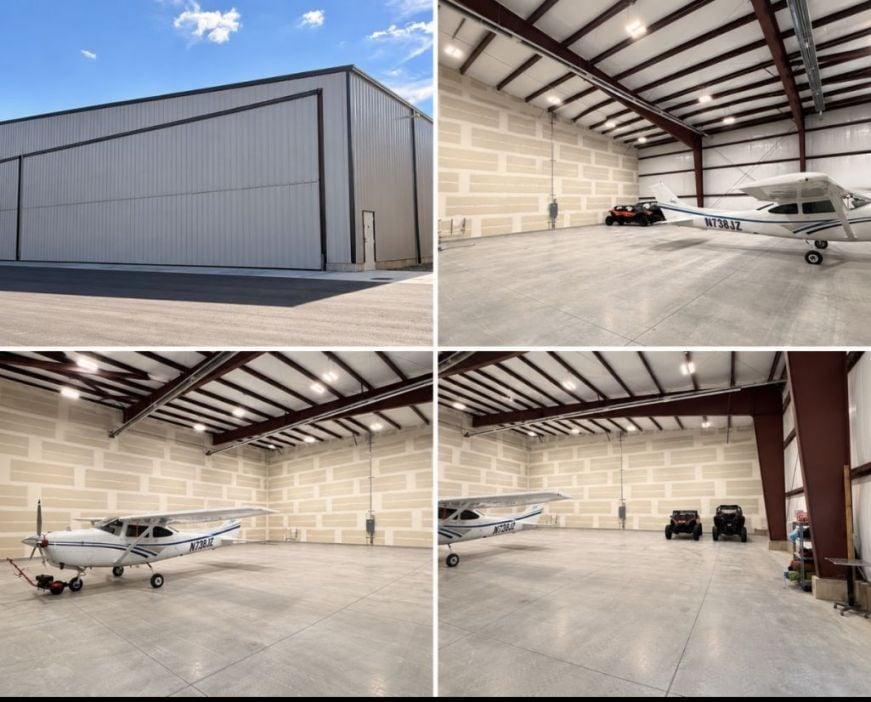
Hangar buildings play an essential role in aviation by providing secure, enclosed spaces for aircraft storage, maintenance, and other aviation-related activities. Whether you own a private aircraft, operate a flight business, or invest in aviation real estate, choosing the right building can support your operational needs and long-term plans.
From compact private aircraft facilities to large commercial structures, hangar buildings are available in different sizes, designs, and configurations. Understanding these options can help you identify a suitable property based on your aircraft, budget, preferred airport, and intended use.
Hangar Trader helps aircraft owners, pilots, and aviation businesses explore hangar listings for sale and rent across the United States.
What Are Hangar Buildings?
Hangar buildings are specialized structures designed to accommodate aircraft and related aviation activities. They typically provide enclosed space to protect aircraft from weather exposure, dust, and other environmental conditions. Depending on the building's design and permitted use, a facility may also include storage areas, workshops, offices, or equipment rooms.
The right building depends on the size and type of aircraft, the available airport infrastructure, and how the space will be used. A private pilot may need a simple storage facility, while a commercial operator may require a larger building with additional operational space.
Before selecting a property, consider the aircraft's wingspan, overall length, tail height, and the clearance required for safe movement inside the building.
Different Types of Aircraft Hangar Buildings
Understanding the main building types can help you narrow your options.
1. T-Hangars for Private Aircraft
T-hangars are designed to accommodate individual aircraft in a space-efficient arrangement. Their layout helps airports provide storage for multiple small aircraft within a shared building structure.
These facilities are often suitable for general aviation aircraft owners who need enclosed storage without the space requirements of a large hangar.
2. Box Hangars for Flexible Storage
Box hangars generally provide a more open rectangular interior. This configuration can make aircraft positioning, equipment storage, and movement easier, depending on the available dimensions.
They may suit private aircraft owners, flight schools, and other aviation users who require more flexibility than a compact T-hangar offers.
3. Corporate and Commercial Hangars
Corporate hangars are typically designed for business aircraft and other larger operational requirements. Depending on the property, they may include office space, meeting rooms, equipment storage, or dedicated service areas.
Businesses should evaluate the building's usable area, door dimensions, airport access, utilities, and suitability for their intended operations.
4. Custom-Built Hangar Facilities
Some aircraft owners and aviation businesses choose to construct a building tailored to their requirements. Custom designs can accommodate specific aircraft dimensions, storage arrangements, and future expansion plans.
However, construction requires careful planning, suitable land, airport approval where applicable, building permits, and compliance with relevant safety requirements.
Important Features to Evaluate Before Buying
When comparing hangar buildings, look beyond the advertised price. Several property features can affect usability, ongoing costs, and long-term value.
Building dimensions: Confirm the interior width, length, height, and usable floor area. Allow sufficient clearance for the aircraft and any required equipment.
Hangar door specifications: Check the clear opening width and height, door operating system, maintenance condition, and suitability for your aircraft.
Structural condition: Review the roof, foundation, walls, drainage, electrical systems, and any signs of water intrusion or structural deterioration.
Airport location: Consider runway access, airport operating hours, fuel availability, maintenance services, and your regular travel requirements.
Utilities and amenities: Determine whether electricity, lighting, water, heating, cooling, internet, or office facilities are available and included in the property's costs.
Ownership and lease terms: Confirm whether the property includes the land or is subject to an airport ground lease. Review renewal options, restrictions, maintenance obligations, and transfer conditions.
A qualified inspector, aviation real estate professional, or relevant technical specialist can help assess a property before you commit.
How Much Do Hangar Buildings Cost?
The cost of an aircraft hangar varies significantly according to location, size, construction type, building condition, airport demand, and available amenities. A compact private hangar may cost considerably less than a large corporate facility with offices and specialized infrastructure.
Renting may be suitable for owners who want flexibility or prefer to avoid a substantial initial investment. Buying may appeal to those planning long-term use or evaluating an aviation property investment.
For new construction, account for land or ground-lease costs, engineering, materials, labor, utilities, permits, site preparation, and possible airport development fees. Ongoing expenses may include insurance, maintenance, property taxes where applicable, and utility bills.
Compare the complete cost of ownership or occupancy rather than relying solely on the listed purchase price or monthly rent.
Find Suitable Hangar Buildings with Hangar Trader
Finding the right aviation property can take time, especially when requirements differ by aircraft type, location, and budget. Hangar Trader provides an online marketplace where users can explore aircraft hangars listed for sale and rent across the United States.
Whether you need a compact private facility, a larger box hangar, or a commercial aviation property, reviewing available listings can help you compare potential options.
Before making a decision, examine each listing carefully, confirm current availability with the listing provider, and ask questions about dimensions, airport access, ownership arrangements, and any restrictions on use.
Make Your Next Hangar Search Easier
The right hangar building should match your aircraft dimensions, operational needs, budget, and preferred location. By evaluating construction quality, door clearance, airport facilities, property terms, and long-term expenses, you can make a more informed decision.
Hangar Trader supports aircraft owners and aviation businesses by bringing hangar opportunities and aviation-related resources together in one marketplace.
Ready to find your next aircraft hangar? Contact Hangar Trader at 888-357-8007 to learn more about available services and make your hangar search easier.

 English
 Arabic
 French
 Spanish
 Portuguese
 Deutsch
 Turkish
 Dutch
 Russian
 Romaian
 Portuguese (Brazil)
 Greek