


Is Dermapen Treatment a non-surgical procedure?
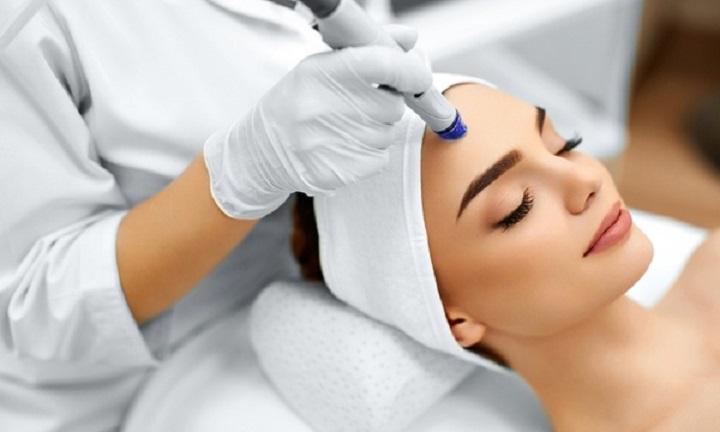
Yes, Dermapen Treatment is a non-surgical skin rejuvenation procedure that uses microneedling to improve skin texture, support collagen production, and address selected cosmetic concerns. Unlike surgical procedures, it does not require incisions, stitches, or general anesthesia. The treatment uses a specialized device with fine needles that create controlled micro-injuries in the skin, stimulating its natural repair process. Individuals interested in علاج ديرمابن في دبي can consult a qualified skincare professional to learn whether this minimally invasive procedure is suitable for their skin concerns. Although it does not involve traditional surgery, Dermapen Treatment still requires appropriate clinical expertise, hygiene, and aftercare.
Why Is Dermapen Treatment Considered Non-Surgical?
Dermapen Treatment is classified as non-surgical because it does not involve surgical incisions or the removal of skin tissue. Instead, a microneedling device creates tiny, controlled punctures in the skin's surface.
These micro-injuries activate the body's natural healing response and may stimulate collagen and elastin production. These proteins help maintain the skin's structure, firmness, and elasticity. As the skin recovers, some patients may notice gradual improvements in texture, the appearance of certain scars, and fine lines.
However, non-surgical does not mean completely non-invasive or risk-free. Because microneedling penetrates the skin, it must be performed using suitable equipment and appropriate infection-control procedures.
How Is Dermapen Treatment Performed?
A typical Dermapen session begins with a consultation to review the patient's skin condition, medical history, and treatment goals. The practitioner examines the intended area and determines whether microneedling is appropriate.
Before treatment, the skin is cleansed, and a topical anesthetic may be applied to reduce discomfort. The practitioner then moves the Dermapen device across the selected area using a technique and needle depth appropriate for the patient's needs.
The procedure's duration depends on the size of the treatment area and the treatment plan. Afterward, the practitioner provides instructions for protecting the skin and supporting recovery.
Patients should not attempt professional-grade microneedling at home. Incorrect needle depth, contaminated equipment, or unsuitable treatment techniques can cause infection, scarring, and pigmentation changes.
What Skin Concerns Can Dermapen Treatment Address?
Dermapen Treatment may help improve the appearance of several skin concerns when performed on suitable patients.
Acne Scars:
Microneedling may stimulate collagen remodeling and improve the appearance of certain depressed acne scars. The degree of improvement depends on scar type, depth, and individual response. Deep or complex scars may require alternative or combined treatments.
Fine Lines and Uneven Texture:
The treatment may help soften the appearance of some fine lines and improve rough or uneven skin texture. Results generally develop gradually as the skin repairs itself.
Enlarged Pores:
Dermapen Treatment may improve the surrounding skin texture, making pores less noticeable in some individuals. It cannot permanently eliminate pores.
Selected Stretch Marks:
Microneedling may improve the appearance of some stretch marks by encouraging collagen remodeling. Results vary according to their age, depth, and location.
People with pigmentation concerns should receive a careful assessment because microneedling can sometimes worsen discoloration, especially in individuals prone to post-inflammatory hyperpigmentation.
What Are the Benefits of a Non-Surgical Approach?
One potential advantage of Dermapen Treatment is that it does not require traditional surgery or surgical incisions. For appropriate candidates, this can make it an option for addressing selected skin concerns without undergoing an operation.
Other potential benefits include:
-
Collagen stimulation: Supports the skin's natural repair process.
-
Targeted treatment: Allows the practitioner to focus on specific areas.
-
Gradual improvement: Changes may develop over time as the skin heals.
-
Personalized treatment planning: Technique and treatment intensity can be adjusted to individual needs.
-
No surgical incisions: The procedure does not require the cuts associated with surgery.
These benefits do not guarantee a particular outcome. Patients should discuss realistic expectations, possible alternatives, and the number of sessions that may be appropriate.
Does Dermapen Treatment Require Recovery Time?
Although it is non-surgical, Dermapen Treatment involves a recovery period. Temporary redness, swelling, tenderness, sensitivity, and pinpoint bleeding may occur. The duration and intensity of these effects depend on the treatment settings and individual healing response.
Patients should follow the practitioner's aftercare instructions, use recommended skincare products, protect the skin from sunlight, and avoid irritating active ingredients until the skin has recovered.
Strenuous activities, swimming, or other activities that may irritate the treated area may need to be restricted temporarily, depending on the practitioner's guidance.
Increasing pain, spreading redness, pus, fever, or persistent swelling should be assessed by a healthcare professional because these symptoms may indicate a complication.
Is Dermapen Treatment Suitable for Everyone?
No. A consultation is necessary to determine whether microneedling is appropriate. People with active skin infections, open wounds, inflamed acne, certain skin conditions, or a history of abnormal scarring may need to avoid treatment or undergo additional assessment.
Medical history, medications, skin sensitivity, and the risk of pigmentation changes can also influence eligibility. A qualified practitioner should review these factors before recommending treatment.
Patients should choose a trained professional who uses appropriate equipment and follows strict hygiene practices. They should also ask about possible side effects and how complications would be managed.
Frequently Asked Questions:
Does Dermapen Treatment involve surgery?
No. It is a non-surgical microneedling procedure and does not require surgical incisions or stitches.
Is Dermapen Treatment completely non-invasive?
Not entirely. Although it does not involve traditional surgery, the needles penetrate the skin and create controlled micro-injuries. This means professional technique and proper hygiene are essential.
Is anesthesia required for Dermapen Treatment?
General anesthesia is not usually required. A topical anesthetic may be used to reduce discomfort, depending on the treatment area and the patient's needs.
Can I return to normal activities after treatment?
Many people resume ordinary activities relatively quickly, but temporary redness and sensitivity may affect their plans. Follow the practitioner's specific aftercare instructions.
Are the results permanent?
Results vary, and improvements may not be permanent. The skin continues to age, and some concerns may require maintenance or alternative treatments.
Conclusion:
Dermapen Treatment is a non-surgical microneedling procedure designed to support collagen production and improve the appearance of selected skin concerns, including certain acne scars, fine lines, and uneven texture. It does not require traditional surgery, but it does involve controlled penetration of the skin and therefore carries potential risks. A consultation with a qualified skincare professional helps determine suitability, establish realistic expectations, and ensure appropriate treatment and aftercare.

 English
 Arabic
 French
 Spanish
 Portuguese
 Deutsch
 Turkish
 Dutch
 Italiano
 Russian
 Romaian
 Greek