


Lipid Profile Test Explained: Purpose, Process, and Results
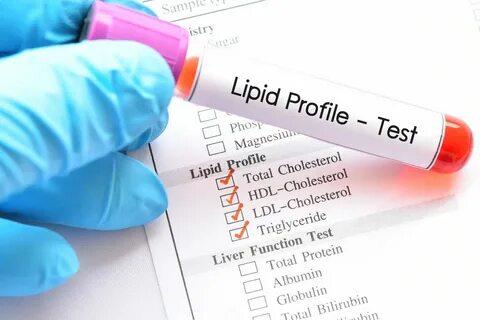
Heart health is not determined by how energetic you feel or whether you experience chest discomfort. Some of the most important cardiovascular risk factors develop silently, including high cholesterol and elevated triglycerides. A Lipid Profile Test in Dubai helps uncover these hidden risks by measuring different types of fats circulating in your bloodstream.
Whether you are planning a routine medical checkup, managing diabetes, or monitoring previously diagnosed high cholesterol, understanding your lipid profile can help you make informed decisions about your health.
This blood test provides valuable information about cholesterol balance, potential plaque buildup in arteries, and the need for preventive care. However, knowing your numbers is only the first step. Understanding what they mean and how they relate to your overall cardiovascular health is equally important.
In this guide, you will discover how a lipid profile test works, what each measurement reveals, how to interpret your results, and which lifestyle changes can support long-term heart health.
How Does a Lipid Profile Test Help Assess Heart Health?
A lipid profile test, also called a lipid panel or cholesterol blood test, measures the levels of cholesterol and triglycerides in your blood. Healthcare professionals use the results to evaluate cardiovascular risk, identify abnormal lipid levels, and monitor the effectiveness of treatment.
Cholesterol is a waxy substance that your body needs to build healthy cells and produce certain hormones. Triglycerides are fats that store energy for future use. Both are essential for normal bodily functions, but imbalances can contribute to health problems.
When certain cholesterol-carrying particles remain elevated, cholesterol can accumulate in artery walls and contribute to atherosclerosis. This condition causes fatty plaques to develop inside blood vessels, potentially restricting blood flow.
If a plaque ruptures, a blood clot may form and block circulation to the heart or brain, resulting in a heart attack or stroke.
A lipid profile test cannot diagnose these conditions on its own. Instead, it helps identify important risk factors before symptoms develop, allowing healthcare professionals to recommend appropriate preventive measures.
The Four Key Numbers That Explain Your Cholesterol Profile:
A standard lipid panel generally includes four main measurements. Each provides a different perspective on your cardiovascular health.
Total Cholesterol: The Starting Point
Total cholesterol measures the cholesterol carried by different lipoproteins in your bloodstream.
For many adults, a total cholesterol level below 200 mg/dL is considered desirable. However, this number does not reveal the complete picture because it combines cholesterol carried by LDL, HDL, and other lipoproteins.
A person with a desirable total cholesterol result may still have an unfavorable LDL cholesterol level. For this reason, doctors interpret total cholesterol alongside the other lipid measurements.
LDL Cholesterol: The Main Target for Risk Reduction
Low-density lipoprotein cholesterol, commonly called bad cholesterol, contributes to the formation of plaque in artery walls when levels are elevated.
An LDL cholesterol level below 100 mg/dL is considered optimal for many adults. However, people with established cardiovascular disease or certain high-risk conditions may need lower levels.
Managing LDL cholesterol is a major part of preventing cardiovascular complications. Depending on individual risk, treatment may include dietary changes, physical activity, and cholesterol-lowering medications.
HDL Cholesterol: Understanding the Protective Role
High-density lipoprotein cholesterol is known as good cholesterol because it helps transport cholesterol from tissues toward the liver for processing and removal.
As a general guide, HDL cholesterol below 40 mg/dL in men and below 50 mg/dL in women is considered low. Levels of 60 mg/dL or higher are often associated with a more favorable cardiovascular risk profile.
Nevertheless, HDL cholesterol should not be considered a guarantee of heart health. High HDL levels do not cancel out the risks associated with elevated LDL cholesterol, smoking, diabetes, or high blood pressure.
Triglycerides: Another Important Cardiovascular Marker
Triglycerides store energy from food and are released when the body needs fuel. High levels can occur alongside obesity, insulin resistance, diabetes, excessive alcohol consumption, and diets rich in refined carbohydrates.
General adult triglyceride categories are:
| Triglyceride level | Classification |
|---|---|
| Below 150 mg/dL | Normal |
| 150–199 mg/dL | Borderline high |
| 200–499 mg/dL | High |
| 500 mg/dL or above | Very high |
Very high triglyceride levels can increase the risk of pancreatitis, a potentially serious inflammation of the pancreas.
Some lipid reports also include non-HDL cholesterol, which is calculated by subtracting HDL cholesterol from total cholesterol. This measurement represents cholesterol carried by several potentially harmful lipoproteins and provides additional information about cardiovascular risk.
Reading Your Lipid Profile Report: What Counts as Normal?
Understanding cholesterol reference ranges can help you discuss your results more confidently with your healthcare professional.
The following values are general guidelines for adults.
| Test measurement | General guideline |
|---|---|
| Total cholesterol | Below 200 mg/dL is desirable |
| LDL cholesterol | Below 100 mg/dL is optimal for many adults |
| HDL cholesterol in men | At least 40 mg/dL is generally preferred |
| HDL cholesterol in women | At least 50 mg/dL is generally preferred |
| Triglycerides | Below 150 mg/dL is normal |
| Non-HDL cholesterol | Below 130 mg/dL is a common desirable level |
These figures are not universal treatment targets. Your ideal cholesterol levels depend on factors such as age, diabetes status, family history, existing cardiovascular disease, and other medical conditions.
For example, someone who has previously experienced a heart attack may need a substantially lower LDL cholesterol target than someone without cardiovascular disease.
An abnormal result does not automatically mean that you have heart disease. Your doctor will consider the complete lipid panel, medical history, and other risk factors before recommending treatment.
Why Cholesterol Testing Matters Even When You Feel Healthy?
One of the most important features of a lipid profile test is its ability to identify risk factors before symptoms appear.
Detecting Silent Cholesterol Problems
High cholesterol usually does not cause noticeable symptoms. You may feel healthy while elevated LDL cholesterol gradually contributes to plaque formation in your arteries.
Routine cholesterol screening helps identify these changes early, creating an opportunity to reduce cardiovascular risk.
Estimating Your Risk of Heart Attack and Stroke
Doctors combine lipid profile results with other factors, including age, blood pressure, smoking status, diabetes, and family history, to estimate cardiovascular risk.
This broader assessment helps determine whether lifestyle changes alone may be appropriate or whether additional treatment should be considered.
Monitoring the Success of Treatment
People taking statins or other lipid-lowering medications may need repeat cholesterol testing to evaluate their response to treatment.
Follow-up results help healthcare professionals determine whether LDL cholesterol has decreased sufficiently and whether the current management plan remains appropriate.
Supporting Preventive Healthcare
A lipid profile can help guide decisions about nutrition, physical activity, weight management, further testing, and medication.
Early intervention is particularly important for people with multiple cardiovascular risk factors.
Who Needs a Lipid Profile Test and When Should It Be Done?
Cholesterol screening may be recommended for adults even when they have no symptoms.
Your healthcare professional may suggest a lipid panel if you:
-
Are due for a routine preventive health assessment.
-
Have a family history of high cholesterol or premature heart disease.
-
Have diabetes, high blood pressure, or obesity.
-
Smoke or have other cardiovascular risk factors.
-
Have previously received abnormal cholesterol results.
-
Take cholesterol-lowering medication.
-
Have a medical condition that may affect blood lipid levels.
Children and teenagers may also need cholesterol screening depending on age, family history, and individual risk factors.
The appropriate testing frequency varies according to your health status, previous results, and treatment plan. Your healthcare professional can recommend a suitable schedule.
Preparing for a Lipid Profile Test: What to Expect
A lipid profile test is a straightforward blood test that usually requires a small sample collected from a vein in your arm.
The procedure generally takes only a few minutes. You may experience mild discomfort or temporary bruising where the needle enters your skin.
Preparation depends on the type of lipid panel being performed.
Fasting requirements: Many lipid profile tests can be performed without fasting. However, your doctor may recommend a fasting blood test when triglycerides are elevated or when fasting measurements are needed for clinical assessment. If fasting is required, the laboratory may instruct you to avoid food and drinks other than water for approximately 8–12 hours.
Medication history: Tell your healthcare professional about medicines and supplements you take. Never stop prescribed medication without medical advice.
Lifestyle considerations: Follow the laboratory's instructions about alcohol consumption, exercise, and other preparation requirements. Avoid making sudden dietary changes simply to influence the results.
Results may be available on the same day or within several working days, depending on the laboratory.
Practical Ways to Improve Your Lipid Profile and Protect Your Heart:
Healthy lifestyle choices can improve cholesterol levels and reduce cardiovascular risk. The most effective approach combines dietary improvements, regular exercise, weight management, and appropriate medical care.
Choose Foods That Support Healthy Cholesterol
Include vegetables, fruits, whole grains, legumes, nuts, and seeds in your daily meals. Soluble fiber, particularly from oats and beans, can help lower LDL cholesterol.
Replace butter, fatty meats, and other sources of saturated fat with unsaturated fats found in olive oil, nuts, seeds, and fish.
Limit trans fats, sugary beverages, highly processed foods, and excessive refined carbohydrates.
Exercise Consistently
Aim for at least 150 minutes of moderate-intensity aerobic activity each week, if appropriate for your health.
Brisk walking, cycling, and swimming can support cardiovascular fitness, help manage body weight, and improve triglyceride levels.
Maintain a Healthy Weight
If you have overweight or obesity, gradual weight loss may improve triglycerides, insulin sensitivity, and other metabolic markers.
Avoid Smoking and Limit Alcohol
Quitting smoking protects blood vessels and lowers cardiovascular risk. Limiting alcohol can be particularly helpful for people with elevated triglycerides.
Follow Your Medical Treatment Plan
Lifestyle changes may not be enough for everyone. Depending on your LDL cholesterol level and overall cardiovascular risk, your doctor may recommend statins or other lipid-lowering medications.
Continue prescribed treatment as directed and attend recommended follow-up appointments.
Frequently Asked Questions About Lipid Profile Testing:
Can a lipid profile test diagnose heart disease?
No. A lipid profile identifies cholesterol-related risk factors but cannot diagnose heart disease by itself. Additional clinical assessments may be necessary.
Can cholesterol levels be high without symptoms?
Yes. High cholesterol usually causes no noticeable symptoms, which is why routine screening is important.
Does a normal lipid profile guarantee a healthy heart?
No. Cardiovascular risk also depends on blood pressure, diabetes, smoking, age, family history, and other factors.
How often should I check my cholesterol?
The recommended interval depends on your age, previous results, medical conditions, and cardiovascular risk. Your healthcare professional can suggest an appropriate schedule.
Can lifestyle changes replace cholesterol medication?
Some people improve their cholesterol levels through diet, exercise, and weight management. Others need medication because of genetic conditions, substantially elevated LDL cholesterol, or increased cardiovascular risk. Treatment decisions should be individualized.
Conclusion: Turn Your Lipid Profile Results Into Better Heart Health
A lipid profile Lab tests is an important tool for understanding cholesterol levels and assessing cardiovascular risk. By measuring total cholesterol, LDL cholesterol, HDL cholesterol, and triglycerides, it helps identify potential problems that may otherwise remain unnoticed.
However, the real value of cholesterol testing lies in what you do with the results. Understanding your lipid profile, discussing your cardiovascular risk with a healthcare professional, and making sustainable lifestyle changes can help protect your heart over time.
A balanced diet, regular physical activity, avoiding smoking, and following appropriate medical treatment all contribute to better cardiovascular health.
If you have not checked your cholesterol recently, ask your healthcare professional whether a lipid profile test is appropriate for you. Early detection and informed decisions can make a meaningful difference to your long-term health.

 English
 Arabic
 French
 Spanish
 Portuguese
 Deutsch
 Turkish
 Dutch
 Italiano
 Romaian
 Portuguese (Brazil)
 Greek