


Peyronie’s Disease: Causes, Symptoms, Diagnosis, Treatment, and Recovery
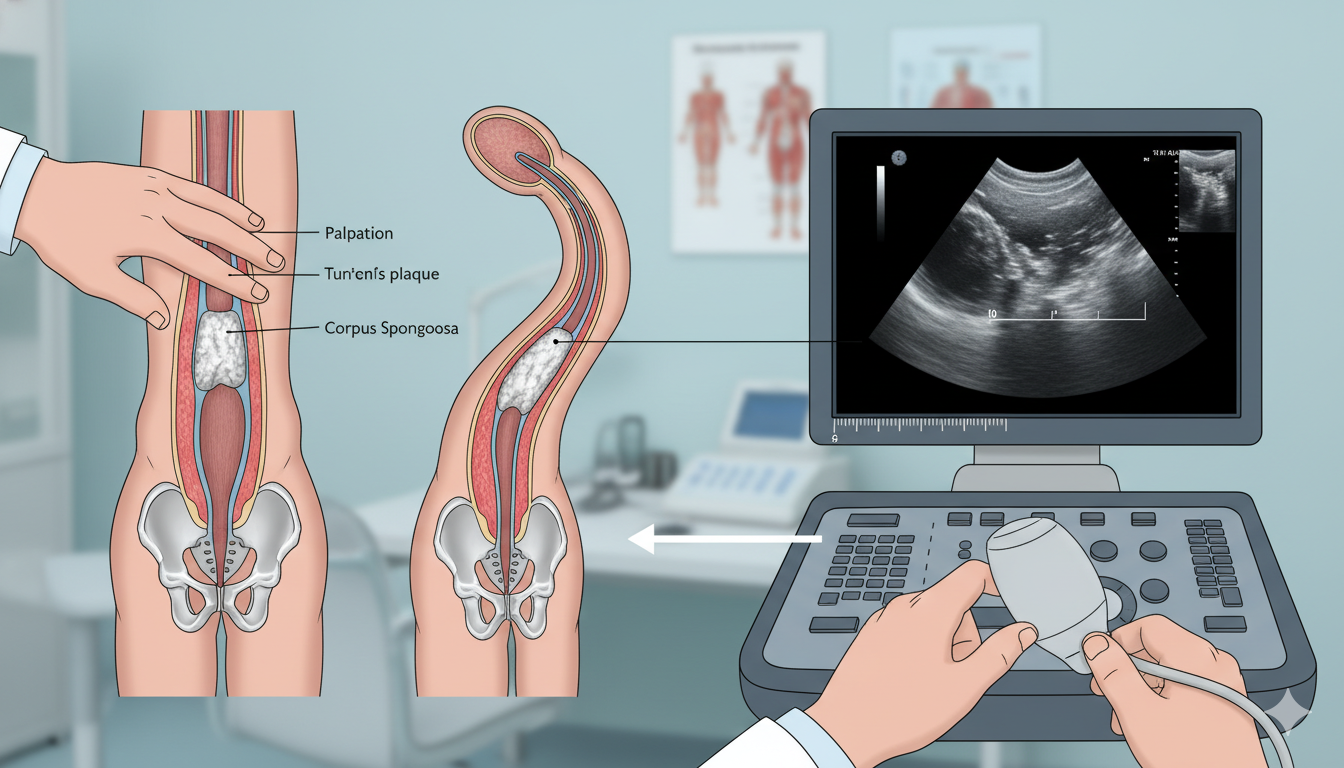
Peyronie’s disease is a medical condition that affects the penis and causes the development of fibrous scar tissue, also known as plaque, beneath the skin. This scar tissue can make the penis bend or curve during an erection. In some cases, the condition can also cause penile pain, shortening, narrowing, indentation, erectile dysfunction (ED), and difficulties with sexual intercourse.
Although a slight natural curve in the penis is common and does not necessarily indicate a medical problem, a newly developed or significant curvature may be a sign of Peyronie’s disease. The condition can affect men of different ages, although it is more frequently diagnosed in middle-aged and older men.
Peyronie’s disease is not cancer, is not an infection, and is not generally considered a sexually transmitted disease. It is also not contagious. However, when the curvature becomes severe or erections become painful, it can affect sexual function, confidence, emotional well-being, and intimate relationships.
The good news is that several treatment options are available. Depending on the severity of the curvature, the presence of pain, erectile function, and whether the condition is progressing or stable, treatment may involve observation, medication in selected circumstances, penile traction therapy, injections into the scar tissue, or surgery.
This comprehensive guide explains Peyronie’s disease, including its causes, symptoms, risk factors, stages, diagnostic methods, treatment options, prevention, and when to seek medical attention.
What Is Peyronie’s Disease?
Peyronie’s disease is a disorder characterized by the formation of scar tissue within the tunica albuginea, the tough, elastic membrane surrounding the erectile chambers of the penis.
During an erection, these chambers fill with blood and expand, allowing the penis to become firm and elongated. When scar tissue develops in part of the surrounding membrane, that area may not stretch normally. As a result, the penis can bend toward the affected area during an erection.
The direction and degree of curvature vary from person to person. Some men experience a mild upward curve, while others develop a pronounced bend to the side or downward. In more complex cases, the penis may develop an hourglass shape, a narrowing or indentation, or a hinge-like deformity that makes penetration difficult.
Peyronie’s disease can occur with or without erectile dysfunction. Some men maintain normal erections but experience significant curvature, while others have difficulty achieving or maintaining sufficient firmness.
The condition can also affect psychological well-being. Concerns about penile appearance, sexual performance, and the possibility of worsening symptoms may contribute to anxiety, embarrassment, reduced confidence, or relationship stress.
Important: Peyronie’s disease is different from a congenital penile curvature. Congenital curvature is generally present from early life, whereas Peyronie’s disease typically develops later and may change over time.
What Causes Peyronie’s Disease?
The exact cause of Peyronie’s disease is not fully understood. However, researchers believe that abnormal wound healing and the formation of fibrous scar tissue play a central role.
1. Repeated penile injury
One of the leading explanations involves minor injuries to the penis that may occur during sexual activity, physical activity, or other situations involving bending or pressure.
For example, the erect penis may bend unexpectedly during intercourse. This can cause small injuries to the tissue surrounding the erectile chambers. These injuries may heal normally in many men, but in susceptible individuals, the healing process may produce excessive fibrous tissue.
Not every man with Peyronie’s disease recalls a specific injury. Repeated minor trauma may occur without obvious pain or visible bruising.
2. Abnormal wound healing
After tissue injury, the body normally repairs damaged structures through a controlled healing process. In Peyronie’s disease, this process may become abnormal, resulting in excessive collagen deposition and the formation of a firm plaque.
As the plaque develops, the affected portion of the penis may lose some of its flexibility. During an erection, the surrounding tissue expands while the scarred area stretches less effectively, creating curvature or other deformities.
3. Genetic predisposition
Genetic factors may influence the likelihood of developing Peyronie’s disease. Some men have a family history of the condition or other disorders involving abnormal scar formation.
However, having a family member with Peyronie’s disease does not mean that a person will necessarily develop it.
4. Connective tissue disorders
Peyronie’s disease is associated with certain connective tissue conditions, particularly Dupuytren’s contracture, which causes thickening and tightening of tissue in the palm of the hand.
This association suggests that some individuals may have an underlying tendency to develop excessive fibrous tissue in different parts of the body.
5. Age-related changes
Peyronie’s disease is more commonly recognized in middle-aged and older men. Changes in tissue elasticity, the cumulative effects of minor injuries, and differences in wound healing may contribute to this pattern.
Nevertheless, younger men can also develop the condition.
6. Other possible contributing factors
Conditions that affect vascular health, tissue repair, and erectile function may coexist with Peyronie’s disease. Diabetes, high blood pressure, smoking, and other cardiovascular risk factors are relevant to overall erectile health, although they should not automatically be considered direct causes of penile plaque formation.
In many cases, the exact reason the disease develops remains unknown.
Common Symptoms of Peyronie’s Disease
The symptoms of Peyronie’s disease vary according to the location, size, and severity of the scar tissue. Some men notice a small lump or mild curvature, while others experience substantial changes in penile shape and sexual function.
The most common symptoms include the following.
1. Curvature of the penis
A newly developed bend during an erection is one of the characteristic symptoms of Peyronie’s disease. The penis may curve upward, downward, or toward either side.
The curvature can remain mild or become severe enough to interfere with sexual intercourse. Some men experience a gradual increase in curvature over several months.
2. Hard lumps or plaques
A man may feel a firm area beneath the penile skin. This is the fibrous plaque associated with the disease.
The plaque may be noticeable when the penis is flaccid or erect. Its presence, however, does not automatically indicate how severe the curvature will become.
3. Pain during erections
Pain may occur as scar tissue develops and the penis stretches during an erection. The discomfort can range from mild tenderness to significant pain that interferes with sexual activity.
Pain is more common during the active phase and often improves as the disease stabilizes. Persistent or severe pain should be evaluated by a healthcare professional.
4. Erectile dysfunction
Some men with Peyronie’s disease develop erectile dysfunction, which means difficulty achieving or maintaining an erection firm enough for sexual activity.
ED may result from impaired blood flow, psychological distress, underlying vascular disease, or structural changes associated with the penile plaque. In some cases, both Peyronie’s disease and ED require treatment.
5. Shortening of the penis
Fibrous scar tissue can reduce the effective length of the penis during an erection. Some men notice that their penis appears shorter than it did before the condition developed.
The extent of shortening depends on the location and severity of the plaque and the type of deformity.
6. Indentation or hourglass deformity
Peyronie’s disease does not always cause a simple curve. The scar tissue may create a narrow section in the middle of the penile shaft, producing an hourglass-like appearance.
This deformity may cause instability during an erection and make penetration difficult.
7. Difficulty with sexual intercourse
Severe curvature, pain, reduced rigidity, or narrowing can make intercourse uncomfortable or physically difficult. Some men avoid sexual activity because they are concerned about pain or further injury.
8. Emotional and psychological effects
Changes in penile appearance and sexual performance can affect confidence, intimacy, and mental well-being. Men may experience anxiety, embarrassment, frustration, or symptoms of depression.
These effects deserve attention alongside the physical symptoms. Psychological support or couples counseling can help when the condition causes significant emotional distress.
For a summary of recognized symptoms, see the NHS guide to Peyronie’s disease.
Stages of Peyronie’s Disease
Peyronie’s disease is generally divided into two phases: the active phase and the stable phase. Understanding these stages helps doctors determine the most appropriate treatment.
1. Active phase
During this phase, the scar tissue is developing and the shape of the penis may continue to change. Pain during erections is relatively common, and curvature can worsen over time.
Treatment focus: pain management, monitoring changes, and assessing erectile function.
2. Stable phase
In this phase, the curvature and deformity have stopped changing significantly for a period of time. Pain often decreases or disappears, although the curvature may remain.
Treatment focus: correcting persistent deformity, improving sexual function, and considering surgery when appropriate.
The active phase may last several months or longer. The transition to the stable phase varies between individuals, and pain resolution does not necessarily mean the curvature will disappear.
Doctors commonly require the deformity to remain stable for at least three to six months before considering reconstructive surgery. The total time from symptom onset and other criteria also influence the decision.
How Is Peyronie’s Disease Diagnosed?
An accurate diagnosis is important because other conditions can cause penile lumps, pain, or curvature. A urologist can evaluate symptoms, identify the likely cause, and determine whether treatment is needed.
1. Medical and sexual history
The doctor will ask when the curvature first appeared, whether it is becoming worse, and whether erections are painful. Other questions may cover previous penile injuries, erectile dysfunction, difficulties with intercourse, medical conditions, medications, and family history.
The patient may also be asked whether the penis has become shorter, developed an indentation, or changed shape in other ways.
2. Physical examination
The doctor examines the penis for palpable plaques, areas of thickening, tenderness, and other abnormalities. The examination may also assess penile length and associated connective tissue conditions.
A physical examination can often establish a likely diagnosis, but additional testing may be appropriate when the deformity or erectile function needs further assessment.
3. Photographs of an erection
A clinician may ask the patient to provide clear photographs of the erect penis from appropriate angles. These can help document the direction and degree of curvature during sexual arousal.
Photographs may also help determine whether the deformity is changing over time.
4. Penile ultrasound
Ultrasound may be used to examine the plaque, identify calcification, and assess blood flow when vascular concerns or erectile dysfunction are present.
A Doppler ultrasound can provide information about penile blood circulation. Not every patient needs an ultrasound; the decision depends on the clinical findings and treatment plan.
5. Pharmacologically induced erection
Before an invasive treatment or surgery, the urologist may administer medication into the penis to produce an erection in a controlled clinical setting.
This allows the doctor to assess the curvature and deformity more objectively. It may be combined with Doppler ultrasound when necessary.
The findings help determine whether observation, injections, traction therapy, or surgery is most appropriate.
Treatment Options for Peyronie’s Disease
There is no single treatment that is suitable for every patient. The best approach depends on the severity of the curvature, the presence of pain, the duration of the condition, the stability of the deformity, erectile function, and the patient's goals.
Treatment may aim to reduce pain, limit further progression, improve curvature, preserve penile length, restore erectile function, or make intercourse possible and comfortable.
1. Observation and monitoring
Men with mild curvature, little or no pain, satisfactory erections, and no difficulty with intercourse may not need active treatment.
The urologist may recommend monitoring symptoms over time. Changes in curvature, pain, penile length, or erectile function should be reported at follow-up appointments.
Observation does not mean ignoring the condition. It is a reasonable option when symptoms are mild and the condition does not significantly affect quality of life.
2. Medication for pain
During the active phase, a doctor may recommend a nonsteroidal anti-inflammatory drug (NSAID) to relieve pain when appropriate.
These medications can reduce discomfort but should not be expected to remove the plaque or reliably straighten the penis. They may also be unsuitable for people with certain kidney, stomach, cardiovascular, or bleeding problems.
Patients should consult a healthcare professional before using them, particularly if they take other medicines or have chronic medical conditions.
3. Oral medicines
Many men look for tablets that can dissolve scar tissue or restore the penis to its previous shape. However, no oral medication has been reliably established as an effective treatment for correcting Peyronie’s curvature.
Vitamin E, tamoxifen, and several supplements have been studied, but major clinical guidelines do not recommend them as effective treatments for correcting the deformity. Some may also carry risks or interact with other medicines.
Oral medicines may still have a role in treating associated problems, such as erectile dysfunction, when prescribed appropriately.
4. Penile traction therapy
Penile traction therapy uses a medical device that applies controlled, gentle stretching to the penis for prescribed periods.
In selected patients, traction therapy may help improve curvature or preserve or recover some penile length. Results depend on the device, treatment protocol, adherence, and the individual's condition.
Treatment generally requires regular use over an extended period. A urologist should explain the correct technique, duration, and precautions to reduce the risk of injury.
Traction therapy is not a guaranteed cure, and the amount of improvement varies. Patients should avoid forceful stretching or improvised devices.
5. Intralesional injections
Intralesional therapy involves injecting medication directly into the plaque. It may be considered when the curvature and clinical circumstances meet the treatment criteria.
Commonly discussed options include collagenase and, in selected cases, other agents such as verapamil or interferon.
Collagenase clostridium histolyticum: This enzyme breaks down components of the fibrous plaque. It can improve curvature in appropriately selected patients, but it does not guarantee complete straightening or eliminate every symptom.
In the United States, collagenase clostridium histolyticum (marketed as Xiaflex) has been FDA-approved for selected adults with a palpable plaque and curvature of at least 30 degrees. Availability and regulatory approval differ by country.
Treatment requires an experienced clinician because serious complications, including penile fracture or other significant penile injury, can occur.
Verapamil injections: Verapamil has been used in plaque injections, but evidence of its effectiveness is limited and recommendations vary.
Interferon injections: Interferon alfa-2b has also been studied and may help selected patients, although availability, suitability, and evidence differ across clinical settings.
These treatments are not interchangeable. The urologist should discuss the likely benefits, risks, costs, and local availability before recommending a specific injection.
6. Shockwave therapy
Extracorporeal shockwave therapy directs acoustic energy toward the affected area. Some studies suggest it may help reduce penile pain.
However, it has not been established as a reliable way to correct penile curvature or reduce plaque size. Major guidelines distinguish pain relief from correction of the underlying deformity.
Patients should be cautious about clinics that advertise shockwave therapy as a guaranteed cure for Peyronie’s disease.
7. Vacuum erection devices
A vacuum erection device uses negative pressure to draw blood into the penis and create an erection. Such devices may be used for erectile dysfunction and have been studied as part of conservative management for Peyronie’s disease.
Evidence that they reliably correct curvature is limited. A urologist can advise whether a device is appropriate and how to use it safely.
8. Treatment for erectile dysfunction
When Peyronie’s disease occurs alongside ED, both conditions may need treatment.
Depending on the patient's health and circumstances, a clinician may prescribe phosphodiesterase type 5 (PDE5) inhibitors, such as sildenafil or tadalafil, to improve erectile function.
These medicines support erections but do not directly remove the plaque or reliably correct penile curvature. They may be unsuitable for men taking nitrate medications and require medical assessment before use.
If ED persists despite appropriate treatment, the urologist may discuss other options, including a vacuum erection device or penile prosthesis.
9. Surgery for Peyronie’s disease
Surgery may be considered when the curvature is stable, significantly interferes with sexual intercourse, and has not responded adequately to suitable nonsurgical management.
The choice of procedure depends on the degree and complexity of the deformity, penile length, erectile function, and the patient's priorities.

Penile plication surgery
The surgeon shortens the side opposite the curve using sutures or another plication technique to straighten the penis. This is often considered for men with adequate erections and a suitable curvature.
The principal trade-off is possible penile shortening. Other risks include residual curvature, altered sensation, and surgical complications.

Plaque incision or lengthening procedures with grafting
The surgeon releases the tight scarred area and may place a graft to cover the resulting defect. This approach may be considered for selected severe or complex deformities when erectile function is adequate.
The procedure is more complex and can cause or worsen erectile dysfunction. It is not automatically preferable simply because a curve is severe.

Penile prosthesis implantation
A penile prosthesis may be recommended when significant ED does not respond adequately to medical treatment. The implant helps produce rigidity, and additional straightening procedures may be performed if necessary.
This is a more involved surgical option that requires discussion of infection, mechanical failure, recovery, and the permanent nature of the implant.
Surgery is generally reserved for stable disease. The aim is to achieve a functional, sufficiently straight penis rather than guarantee restoration of its original shape or length.
A specialist should explain realistic expectations and the possibility of residual curvature, shortening, altered sensation, or erectile dysfunction.
Can Peyronie’s Disease Be Cured?
Peyronie’s disease can often be managed successfully, but the outcome varies from person to person. Some men experience improvement in pain, while others continue to have curvature even after the active phase has ended.
Treatment can reduce curvature, improve erections, and make sexual intercourse easier. However, complete restoration of the penis to its previous shape is not always possible.
The likelihood of improvement depends on several factors:
-
The severity and direction of the curvature.
-
The duration of the condition.
-
Whether the plaque and deformity are still changing.
-
The presence of erectile dysfunction.
-
The treatment selected and the individual's response.
Mild cases that do not interfere with sexual function may require only observation. Men with more significant deformity may benefit from injections, traction therapy, or surgery after specialist assessment.
It is important to distinguish pain relief from correction of the curvature. Pain may resolve naturally even when the plaque and bend remain.
Is Peyronie’s Disease Dangerous?
Peyronie’s disease is not usually life-threatening, and the plaque itself is not cancerous. Nevertheless, it can have a substantial impact on physical and emotional well-being.
Potential complications include:
-
Persistent penile curvature.
-
Loss of penile length.
-
Pain during erections or intercourse.
-
Erectile dysfunction.
-
Difficulty with penetration.
-
Reduced sexual confidence.
-
Anxiety, depression, or relationship difficulties.
A severe deformity may make intercourse impossible without treatment. In addition, associated erectile dysfunction may require separate evaluation.
Seek emergency medical attention if an erect penis bends suddenly during sexual activity and is accompanied by a popping sound, immediate loss of erection, severe pain, swelling, or extensive bruising. These can be signs of a penile fracture, which is different from the gradual development of Peyronie’s disease and requires urgent assessment.
Who Is at Higher Risk of Peyronie’s Disease?
Although the condition can develop in any adult man, certain factors are associated with a greater likelihood of developing it.
|
Risk factor |
Explanation |
|---|---|
|
Middle age and older age |
The condition is more commonly diagnosed in middle-aged and older men. |
|
Previous penile injury |
Trauma may initiate an abnormal wound-healing response. |
|
Family history |
Genetic susceptibility may contribute to plaque formation. |
|
Dupuytren’s contracture |
This connective tissue disorder is associated with Peyronie’s disease. |
|
Diabetes and cardiovascular risk factors |
These may coexist with Peyronie’s disease and contribute to erectile dysfunction or impaired vascular health. |
|
Smoking |
Smoking can damage vascular health and increase the risk of erectile dysfunction. |
These are associations rather than proof that any single factor causes the condition. Men without known risk factors can also develop Peyronie’s disease.
Can Peyronie’s Disease Be Prevented?
There is no proven method that completely prevents Peyronie’s disease. Because the exact cause is not fully understood, prevention focuses mainly on reducing avoidable penile injuries and maintaining general health.
Practical steps that may help
1. Avoid forceful bending of the erect penis. During sexual activity, take care to avoid positions or movements that put excessive pressure on the penis.
2. Stop if pain or injury occurs. If the penis bends unexpectedly or becomes painful during intercourse, stop the activity rather than continuing through the discomfort.
3. Manage chronic health conditions. Good control of diabetes, high blood pressure, and other cardiovascular risk factors supports overall vascular and erectile health.
4. Avoid smoking. Smoking cessation can improve general cardiovascular health and may benefit erectile function.
5. Seek early medical assessment. A new lump, progressive curvature, painful erection, or unexplained shortening should be assessed by a urologist rather than treated with unproven home remedies.
These measures may reduce certain risks and help identify problems earlier, but they cannot guarantee that Peyronie’s disease will not develop.
Living With Peyronie’s Disease
A diagnosis of Peyronie’s disease can be upsetting, particularly when the changes affect sexual function or self-confidence. However, many men can continue to have satisfying intimate relationships with appropriate treatment and support.
The following strategies may help:
-
Communicate with your partner. Discussing pain, curvature, and concerns about sexual activity can reduce misunderstandings and anxiety.
-
Avoid painful sexual activity. Do not force penetration when the deformity causes pain or instability.
-
Attend follow-up appointments. Monitoring changes helps determine whether treatment is necessary and whether the chosen approach is working.
-
Address erectile dysfunction. Effective management of ED can improve sexual function even when some curvature remains.
-
Consider psychological support. Counseling can help manage anxiety, depression, body-image concerns, and relationship stress.
There is no need to feel embarrassed about seeking medical care. Urologists routinely assess sexual health conditions, and early evaluation can help clarify the diagnosis and available treatment options.
When Should You See a Doctor?
Arrange an appointment with a urologist if you notice:
-
A new or worsening curve in your penis.
-
A hard lump or plaque beneath the penile skin.
-
Pain during erections.
-
A reduction in penile length.
-
Narrowing, indentation, or an hourglass deformity.
-
Difficulty achieving or maintaining an erection.
-
Difficulty or pain during sexual intercourse.
Early assessment can help distinguish Peyronie’s disease from other conditions and establish a baseline for monitoring.
Do not attempt to straighten the penis forcefully, inject substances into the plaque yourself, or use unregulated products marketed as permanent cures.
If you experience a sudden penile injury with severe pain, bruising, swelling, or immediate loss of erection, seek emergency care rather than waiting for a routine appointment.
Frequently Asked Questions About Peyronie’s Disease
1. What is the main cause of Peyronie’s disease?
The exact cause is not fully understood. The condition is believed to involve abnormal wound healing after minor penile injuries, leading to fibrous scar tissue within the tunica albuginea. Genetic susceptibility and connective tissue disorders may also contribute.
2. Can Peyronie’s disease go away on its own?
Pain often improves or disappears as the condition stabilizes. However, the curvature usually does not disappear completely without treatment. A small number of men may experience spontaneous improvement, but this should not be assumed.
3. Is Peyronie’s disease permanent?
It can be long-lasting. Once the plaque has formed, the resulting curvature may remain even after pain resolves. Some men improve with nonsurgical treatment, while others require surgery to correct a significant deformity.
4. Can Peyronie’s disease cause erectile dysfunction?
Yes. Erectile dysfunction may occur alongside Peyronie’s disease because of vascular problems, structural changes, psychological distress, or other underlying conditions. ED can often be treated separately, depending on its cause.
5. Can Peyronie’s disease reduce penis size?
Yes. The scar tissue can cause the penis to appear shorter during an erection. Shortening may occur alongside curvature, narrowing, or other deformities.
6. Is Peyronie’s disease contagious?
No. Peyronie’s disease is not an infectious condition and cannot be transmitted through sexual contact. It is associated with fibrous scar tissue formation.
7. Does Peyronie’s disease affect fertility?
Peyronie’s disease does not usually directly affect sperm production. However, severe curvature or erectile dysfunction may make sexual intercourse and natural conception more difficult. Fertility concerns should be discussed with a healthcare professional.
8. Can I have sex if I have Peyronie’s disease?
Many men can continue sexual activity if it is comfortable and the curvature does not interfere with penetration. Avoid activity that causes pain or puts excessive pressure on the penis. If the deformity makes intercourse difficult, a urologist can discuss appropriate treatment.
9. Which doctor treats Peyronie’s disease?
A urologist is the most appropriate specialist. Ideally, patients with significant deformity or complex erectile dysfunction should consult a urologist experienced in male sexual medicine and penile reconstructive surgery.
10. Are injections effective for Peyronie’s disease?
Certain plaque injections can improve curvature in appropriately selected patients. Collagenase is one option where approved and available. Results vary, and injections carry risks, so treatment should be performed by a qualified clinician.
11. Does vitamin E cure Peyronie’s disease?
No. Vitamin E has not demonstrated reliable effectiveness in correcting penile curvature, and major clinical guidelines recommend against using it as a treatment for Peyronie’s disease.
12. Is surgery always necessary?
No. Surgery is generally considered when the deformity has stabilized and significantly interferes with sexual intercourse or quality of life. Men with mild symptoms may not need surgery or any active treatment.
13. How long does recovery from Peyronie’s disease take?
The active phase may last several months or longer, and stabilization varies between individuals. Recovery after treatment also depends on the method used. Injections and traction therapy may require repeated treatment over time, while surgical recovery depends on the procedure and the surgeon’s instructions.
14. Can exercise or massage straighten the penis?
There is no reliable evidence that ordinary exercise or unsupervised penile massage can correct Peyronie’s curvature. Forceful manipulation may cause further injury. Medically supervised traction therapy is different from improvised stretching and may be considered for selected patients.
15. Can Peyronie’s disease increase the risk of penile cancer?
Peyronie’s disease itself is not considered a cancerous condition. However, a new, unexplained, ulcerated, bleeding, or persistently changing penile lesion should be examined by a clinician rather than automatically attributed to Peyronie’s disease.
Conclusion
Peyronie’s disease is a condition in which fibrous scar tissue develops inside the penis, causing curvature, pain, shortening, narrowing, and sometimes erectile dysfunction. Although the condition is not usually life-threatening, it can significantly affect sexual function, confidence, and quality of life.
The most appropriate treatment depends on the severity of the deformity, whether the disease is active or stable, and the patient's erectile function and treatment goals. Options range from observation and pain management to penile traction therapy, selected plaque injections, and reconstructive surgery.
There is no universally effective tablet or guaranteed nonsurgical cure. Early diagnosis, realistic expectations, and individualized treatment are important for achieving the best possible outcome.
Men experiencing a new penile curve, a hard lump, painful erections, or difficulty with intercourse should consult a qualified urologist. With appropriate evaluation and care, many patients can improve their symptoms and maintain a satisfying sexual life.
Medical disclaimer
This article is intended for general educational purposes and is not a substitute for professional medical advice, diagnosis, or treatment. Treatment decisions should be made with a qualified healthcare professional after an individual assessment.
References and further reading
The following reputable medical resources provide additional information about Peyronie’s disease:

 English
 Arabic
 French
 Spanish
 Portuguese
 Deutsch
 Turkish
 Dutch
 Russian
 Romaian
 Portuguese (Brazil)
 Greek