


What Is Shoring in Construction and Why Is It Needed?
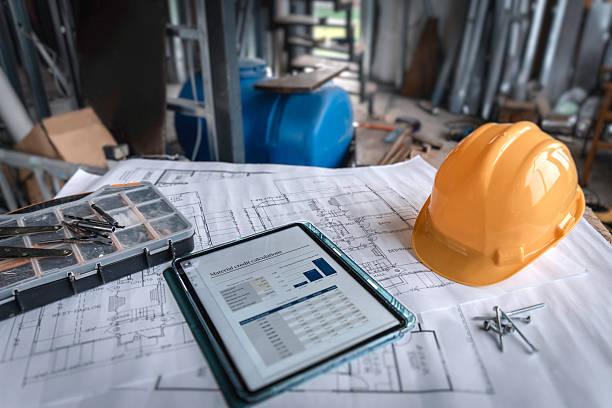
Shoring in construction is the temporary support system that holds soil, walls, or entire structures in place while crews dig, demolish, or repair nearby. Without it, an open excavation can slump, a neighboring wall can shift, and a damaged roof can come down. Projects need it whenever the ground or the building can't safely hold itself.
Honestly, most people only notice shoring when something goes wrong. That's a shame, because good shoring is mostly invisible planning. In this guide, you'll see how shoring in construction works, when a site needs it, which systems are common, and what to ask before you hire a specialist.
How Does Shoring Work on a Construction Site?
What Is the Basic Idea Behind It?
Think of shoring as a stand in for the earth or structure that has been removed or weakened. When crews excavate, the soil that once pushed back against a neighboring foundation disappears. Shoring takes over that job. It carries the load, resists sideways pressure, and keeps the work area stable until permanent construction can do the work instead.
The details change with every site. Soil type, groundwater, nearby utilities, property lines, and schedule all shape the design. Seiscore says it plainly on its website: every shoring and structural project comes with its own soil conditions, site constraints, and schedule pressure. That's exactly why a copy and paste approach rarely works.
Where Do the Forces Come From?
Lateral Pressure From Soil
Soil pushes sideways, and the deeper the dig, the harder it pushes. Surface loads add to that pressure. Picture a parked crane, a stack of materials, or the weight of an adjacent building. Shoring walls, supported by anchors or braces, absorb that force so the excavation face stays exactly where the engineer expects it to stay.
Loads From Existing Structures
Existing buildings bring their own demands. A footing sitting right at the edge of a new basement can't lose support, even for a day. Walls, columns, and roofs also need temporary bracing whenever crews remove something that was carrying load. The shoring design has to account for the soil and the structure at the same time.
Why Is Shoring Needed in Construction?
What Makes Excavations Next to Buildings So Risky?
A real project makes this clear. For the Phase 2 expansion of Eagle Mountain Casino in Porterville, general contractor Tutor Perini needed a new basement dug 20 feet deep beside the existing casino. Seiscore designed and built a slant pile shoring wall that held back the existing structure, just inches from its footing.
The result was practical as well as safe. Because Seiscore took the job as the design build contractor, engineering and construction sat under one point of responsibility, and the team delivered a seven week scope in four. Fewer handoffs meant fewer delays. Good shoring protects schedules too, not just soil.
When Do Emergencies Call for Shoring?
Sometimes nobody plans the shoring. When a semi truck collided with a Trader Joe's building in Corte Madera and collapsed part of the roof, Seiscore reached the site within hours. The crew shored the roof, jacked it back to its proper height, replaced the damaged column, and had the structure fully secured in a single day.
Emergency work like this shows what shoring really does. It buys time and stability. Once the structure stops moving, engineers and owners can make repair decisions calmly. Seiscore mobilizes emergency shoring scopes the same day when structural failures demand immediate stabilization, which can keep a store or worksite from staying closed for long.
What Types of Shoring Systems Do Contractors Use?
Which Systems Handle Lateral Support?
Lateral shoring holds back soil on the sides of an excavation, especially near existing structures, property lines, and utilities. The right pick depends on depth, soil strength, and how much room the crew has to work. Seiscore's lateral shoring services cover these common approaches:
-
Soldier pile and lagging systems, where steel piles carry the load and lagging holds the soil between them
-
Soil nail walls, which reinforce the soil mass itself
-
Tieback supported shoring, which anchors the wall back into stable ground
How Does Structural Shoring Differ?
Structural shoring supports the building itself rather than the soil beside it. Seiscore integrates structural shoring into vertical construction and retrofit scopes, and it can include structural framing when the project requires it. That matters on remodels and expansions, where old and new construction have to meet cleanly.
The Porsche dealership expansion in Livermore shows the idea. The project called for demolishing an existing roof and a 25 foot CMU wall to connect a new building to the old one. Seiscore designed and built a shoring system that let the dealership's auto shop stay open throughout construction.
How Do You Choose the Right Shoring Partner?
What Should a Structural Shoring Contractor Offer?
A capable structural shoring contractor should bring engineering knowledge, proper licensing, and field experience together. Look for direct coordination with the structural engineer of record and the general contractor. Ask who actually performs the work, because crews that design and build together tend to catch problems earlier than a chain of separate subcontractors.
Seiscore, for example, holds California Contractor License number 1126002, carries insurance for commercial GC contracts, and brings over 60 years of combined experience across its engineering and field teams. It also partners with Local 34 Pile Drivers and Local 3 Operating Engineers. Those credentials give general contractors real reassurance before the first pile goes in.
Why Does Self Performed Work Matter?
When one team handles shoring, drilling, structural, and concrete scopes with its own crews and equipment, communication gets simpler. Seiscore works that way and serves commercial general contractors across the San Francisco Bay Area, Northern California, and the Central Valley, including Fresno. Fewer outside parties usually mean fewer surprises. Before you sign, ask these questions:
-
Is the contractor licensed and insured for commercial work?
-
Can the team handle design and construction under one point of responsibility?
-
Who performs the field work, and with whose equipment?
-
How quickly can the crew mobilize if something fails?
Conclusion
Shoring in construction keeps excavations stable, protects neighboring buildings, and gives crews a safe place to work. It's planned engineering, never guesswork, and it can also be the fastest way to stabilize a structure after a failure. If your project involves deep digging or fragile existing structures, bring in a qualified structural shoring contractor early and let the design guide the schedule.

 English
 French
 Spanish
 Portuguese
 Deutsch
 Turkish
 Dutch
 Italiano
 Russian
 Romaian
 Portuguese (Brazil)
 Greek