


How Businesses Could Build Tokenization Models Around Recurring Contractual Payments
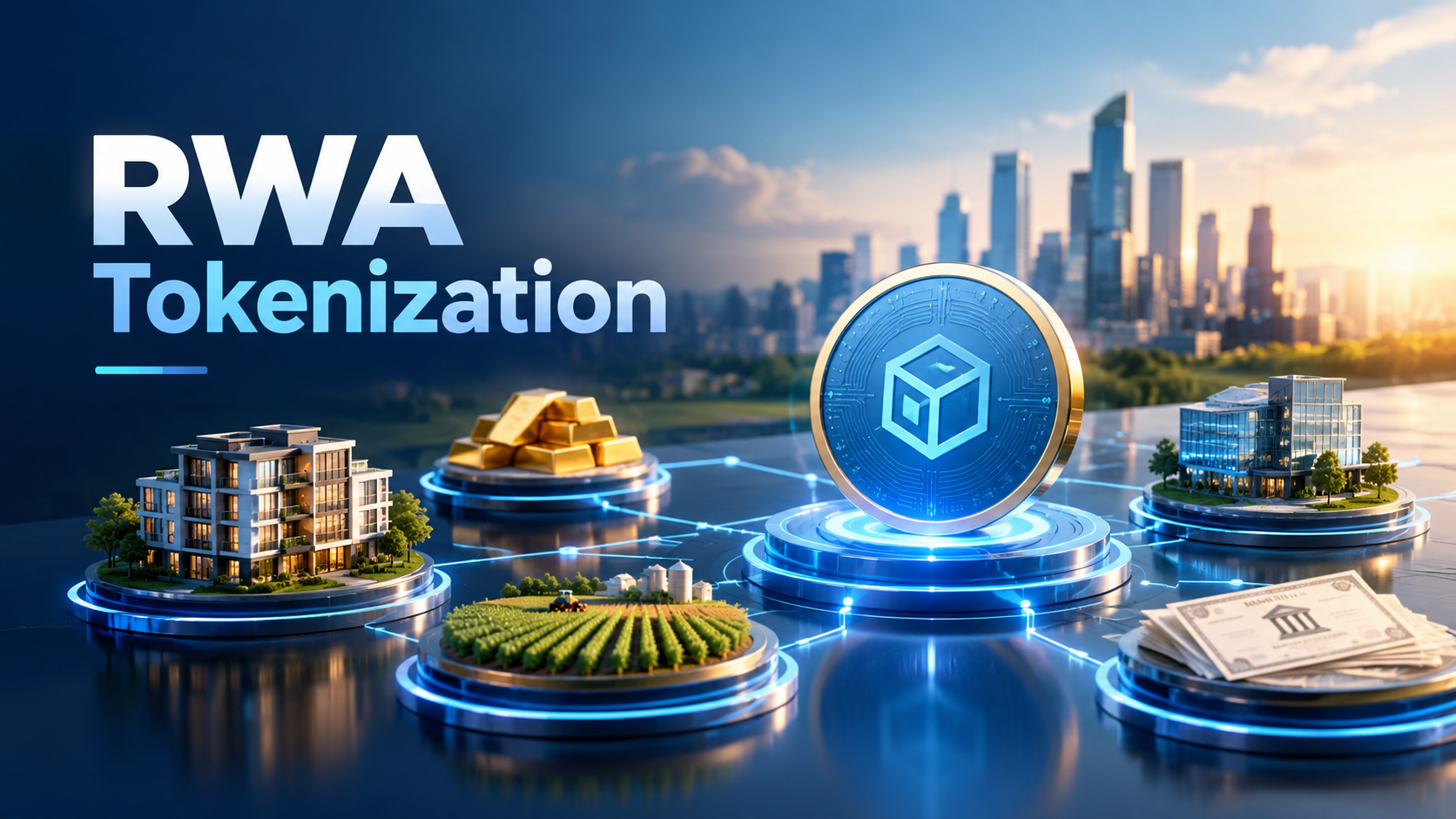
Businesses often generate predictable revenue through long-term contracts, subscription agreements, equipment leases, service agreements, licensing deals, and infrastructure usage fees. Although these contractual payments can provide stable cash flow, accessing their future value can be challenging when businesses need capital for expansion, operations, or new projects.
Tokenization of recurring contractual payments offers a potential way to represent eligible contractual cash flow rights as digital tokens on a blockchain. Depending on the legal structure, these tokens may represent rights to receive specified payments, interests in a financing arrangement, or claims against a legally established entity.
Rather than relying exclusively on traditional financing, businesses could explore real world asset tokenization models that connect contractual revenue streams with eligible investors through transparent digital infrastructure.
What Is Contractual Payment Tokenization?
Contractual payment tokenization involves creating blockchain-based digital tokens that represent defined economic rights associated with payments under an agreement.
For example, a technology company may have a three-year software service contract with a corporate customer. The customer makes monthly payments for the duration of the agreement. The company could explore tokenizing eligible rights to a portion of those future payments to raise capital, subject to contractual permissions and applicable regulations.
The underlying contract remains essential. The token does not automatically transfer ownership of the contract or guarantee that payments will be received.
Common contractual payment sources include:
-
Software-as-a-Service (SaaS) subscription fees
-
Equipment leasing payments
-
Commercial property lease payments
-
Telecommunications service agreements
-
Infrastructure usage fees
-
Licensing and royalty payments
-
Maintenance and facility management contracts
-
Long-term business-to-business service agreements
By digitizing these economic rights, businesses can create more structured ways to manage, finance, and distribute eligible contractual cash flows.
Why Businesses Could Consider Tokenizing Recurring Payments
Recurring contractual revenue can provide a foundation for financing models when payment terms, customer obligations, and expected cash flows are sufficiently documented.
Access to Alternative Financing
Businesses may be able to use eligible future receivables or contractual payment rights to structure financing opportunities without relying exclusively on conventional loans. The suitability of this approach depends on the quality of the underlying contracts, creditworthiness of customers, and legal enforceability of the payment rights.
Improved Cash Flow Management
Businesses with long payment cycles may need working capital before contractual revenue is collected. A properly structured tokenization model could help them access funding against eligible payment rights while maintaining their core business operations.
Greater Payment Transparency
Blockchain-based records can help track token issuance, payment allocations, transfers, and distributions. When connected to reliable payment systems, these records can make transaction histories easier to audit.
Broader Access to Eligible Capital Providers
Digital platforms may enable businesses to reach a wider pool of eligible investors, including institutional participants and other permitted funding sources. However, tokenization does not automatically create liquidity or remove investor eligibility restrictions.
Top Business Models for Tokenizing Recurring Contractual Payments
Businesses can design different tokenization models depending on the type of contract, payment frequency, risk profile, and financing objective.
Contractual Revenue-Backed Token Model
In this model, tokens represent defined economic rights linked to revenue generated by an eligible contract.
For example, a business operating a fleet of leased equipment could structure a token offering around a portion of the contractual lease payments. Investors may receive distributions based on the documented terms and actual collections.
Key considerations include:
-
Identifying enforceable payment rights.
-
Establishing how much revenue supports the offering.
-
Defining distribution schedules and payment priorities.
-
Establishing procedures for missed or delayed payments.
This model may suit businesses with recurring revenue from established customers and sufficiently predictable payment obligations.
Tokenized Receivables Financing Model
Businesses frequently issue invoices for products and services delivered to customers. These invoices create receivables that may be eligible for financing or assignment.
A tokenization platform could represent interests in a pool of eligible receivables, subject to applicable legal requirements. Capital providers would evaluate factors such as invoice validity, customer credit quality, payment history, and concentration risk.
For example, a logistics company with outstanding invoices from several corporate clients could explore a receivables-backed financing structure to access working capital before the invoices mature.
This model can be particularly relevant to business-to-business companies that experience delays between service delivery and payment collection.
Subscription Revenue Tokenization Model
Businesses operating subscription-based services may receive payments monthly, quarterly, or annually. Examples include software providers, digital platforms, and managed IT service companies.
A business could structure financing around a defined portion of eligible subscription receivables rather than tokenizing its entire business.
The model should distinguish between contracted payments and revenue that depends on future customer renewals. Subscription cancellations, customer churn, refunds, and changing service requirements can affect projected cash flows.
Equipment Leasing Payment Model
Equipment leasing businesses generate revenue from agreements with customers that use machinery, vehicles, medical equipment, or industrial assets.
Tokenization could support a financing arrangement backed by eligible lease receivables. The structure must clarify whether investors receive rights to payments only or have any additional rights relating to the leased assets.
Important factors include lease duration, equipment depreciation, customer default risk, maintenance obligations, and asset recovery procedures.
Infrastructure Usage Fee Model
Infrastructure operators may receive recurring payments for access to or use of specific facilities and services. Examples include telecommunications towers, data centers, energy infrastructure, and logistics facilities.
A tokenization model could be built around eligible usage fees or contractual service payments generated by these operations.
For instance, a data center operator with long-term capacity agreements could explore financing tied to a defined portion of contracted capacity payments. Occupancy changes, customer concentration, service-level obligations, and operating expenses must be considered when assessing the underlying cash flow.
3.6 Licensing and Royalty Payment Model
Businesses that own intellectual property, software licenses, trademarks, or other licensable rights may receive recurring royalties under contractual agreements.
Tokens could represent specified economic interests in eligible royalty streams. The legal arrangement should identify which revenue sources are included, how royalties are calculated, and whether the underlying agreements permit assignment or financing.
This model may appeal to businesses with established licensing relationships and documented royalty histories.
How to Build a Tokenization Model Around Contractual Payments
A successful model requires more than creating blockchain tokens. Businesses need to establish the legal rights, financial structure, technology, and operational processes that support the offering.
Step 1: Identify Suitable Contracts
Start by reviewing contracts that generate recurring payments. Prioritize agreements with clear payment schedules, reliable counterparties, documented performance, and enforceable obligations.
Assess:
-
Contract duration and remaining term
-
Payment frequency and outstanding balances
-
Customer creditworthiness
-
Cancellation and termination clauses
-
Assignment, transfer, and financing restrictions
-
Historical payment delays and defaults
Not every recurring revenue stream is suitable for tokenization. Contracts with uncertain payment obligations or frequent cancellations may require additional safeguards.
Step 2: Define the Economic Rights
Determine precisely what the tokens will represent. The structure could involve assigned receivables, beneficial interests in a special-purpose vehicle (SPV), debt instruments, or other legally recognized rights.
The offering documents should explain how investors may receive payments, what happens if a customer defaults, and whether investors have recourse against the issuer or another entity.
The legal rights must be established before token issuance. A blockchain record alone does not create an enforceable claim to contractual revenue.
Step 3: Evaluate Cash Flow and Risk
Estimate expected collections using contract terms, historical payment performance, customer concentration, and relevant operating expenses.
Businesses should model multiple scenarios, including delayed payments, partial collections, customer insolvency, and early contract termination.
The financing structure should avoid promising distributions that depend on uncertain future revenue without clearly explaining the associated risks.
Step 4: Select the Tokenization Structure
Choose a structure that matches the underlying payment rights and financing objective.
Possible approaches include revenue-backed debt, receivables financing, contractual income participation, or an SPV-based issuance.
The selected structure determines investor rights, repayment priorities, governance requirements, and regulatory obligations.
Step 5: Develop the Tokenization Platform
A tokenization platform can coordinate the digital issuance and management of the offering. Core features may include:
-
Smart contract management: Automate permitted issuance, transfers, and distribution calculations.
-
Investor onboarding: Support identity verification, KYC/AML procedures, and eligibility checks.
-
Payment tracking: Record expected and received payments against contractual schedules.
-
Distribution management: Calculate and process payments according to the legal terms.
-
Reporting dashboards: Provide visibility into outstanding balances, collections, and distribution history.
-
Compliance controls: Enforce applicable transfer restrictions and maintain required transaction records.
Smart contracts should be audited, and payment calculations should be reconciled against reliable financial records. Automated systems cannot independently guarantee that customers will pay their contractual obligations.
Step 6: Establish Payment Collection and Distribution
Define how customers make payments, how funds reach the issuing entity, and how eligible amounts are distributed to investors.
The arrangement should address payment shortfalls, reserves, servicing fees, taxes, late payments, and dispute resolution.
Businesses must also determine whether distributions will occur through conventional banking infrastructure, digital payment systems, stablecoins where legally permitted, or a combination of methods.
Step 7: Launch With a Clearly Defined Offering
Before launching, businesses should complete the necessary legal reviews, technical testing, financial disclosures, and investor onboarding processes.
A limited initial offering backed by a manageable portfolio of contracts can help validate collection procedures, reporting accuracy, and distribution operations before the model expands.
Key Risks and Challenges
Despite its potential advantages, contractual payment tokenization presents several challenges.
Payment default risk: Customers may miss payments, become insolvent, or dispute their contractual obligations.
Legal and regulatory complexity: Tokens may qualify as securities or other regulated financial products depending on their rights, structure, and jurisdiction. Issuance, marketing, transfer, and secondary trading may be subject to specific requirements.
Contractual restrictions: Existing agreements may prohibit assignment, transfer, or the use of receivables as collateral. Required consents must be obtained where applicable.
Liquidity limitations: Tokenization does not guarantee that investors can resell their holdings. Secondary trading depends on legal permissions, market demand, and available trading infrastructure.
Technology and cybersecurity risks: Smart contract vulnerabilities, compromised accounts, inaccurate data, and payment integration failures can disrupt operations.
Cash flow uncertainty: Recurring payments are not necessarily guaranteed. Contract termination, changing business conditions, and customer concentration can affect expected collections.
Businesses should address these risks through appropriate legal structuring, independent due diligence, clear disclosures, secure technology, and ongoing monitoring.
The Role of RWA Tokenization Development Companies
Building a platform for recurring contractual payments may require expertise in blockchain development, financial workflows, compliance, and digital asset operations.
An experienced RWA tokenization development company can help businesses translate their financing requirements into a suitable technical solution.
Potential development services include smart contract creation, token issuance infrastructure, investor dashboards, payment distribution systems, document management, compliance integrations, and portfolio reporting.
When selecting a development partner, businesses should evaluate its ability to support the intended asset structure, integrate with existing financial systems, implement appropriate security controls, and accommodate future growth.
However, software development expertise does not replace legal, tax, accounting, or regulated financial advice. These professionals should work together to establish an appropriate model before the platform goes live.
Future Opportunities for Contractual Payment Tokenization
As digital asset infrastructure develops, tokenization models could expand beyond conventional financial instruments to cover a broader range of business payment obligations.
Potential opportunities include:
-
Enterprise service contracts: Financing against eligible long-term IT, consulting, and outsourcing receivables.
-
Telecommunications agreements: Structuring funding around contracted network access and infrastructure service fees.
-
Commercial property services: Representing eligible payments from facility management and maintenance agreements.
-
Renewable energy contracts: Financing eligible receivables arising from power purchase and energy service agreements.
-
Logistics and supply chain contracts: Structuring receivables-backed funding for transportation, warehousing, and distribution services.
-
Software licensing agreements: Creating financing arrangements tied to documented licensing payments and royalties.
These applications could provide businesses with additional financing options, but their viability will depend on enforceable rights, reliable payment data, investor demand, and regulatory compliance.
Conclusion
Tokenization of recurring contractual payments offers businesses a potential way to connect predictable contractual revenue with alternative financing structures. By building models around receivables, subscriptions, equipment leases, infrastructure fees, and royalty agreements, companies can explore ways to access capital while maintaining transparent records of payment rights and distributions.
The most important step is to begin with the underlying contracts, not the tokens. Businesses must establish enforceable economic rights, assess cash flow risks, select an appropriate financing structure, and implement secure technology that supports the agreed terms.
With careful planning and the right legal and technical expertise, contractual payment tokenization could become a useful component of broader real-world asset (RWA) tokenization strategies for businesses seeking more flexible approaches to financing recurring revenue.

 English
 Arabic
 French
 Spanish
 Portuguese
 Deutsch
 Dutch
 Italiano
 Russian
 Romaian
 Portuguese (Brazil)
 Greek