


Is a Chendiao Fully Automatic Metal Cutting Band Saw Machine Right for Your Workshop
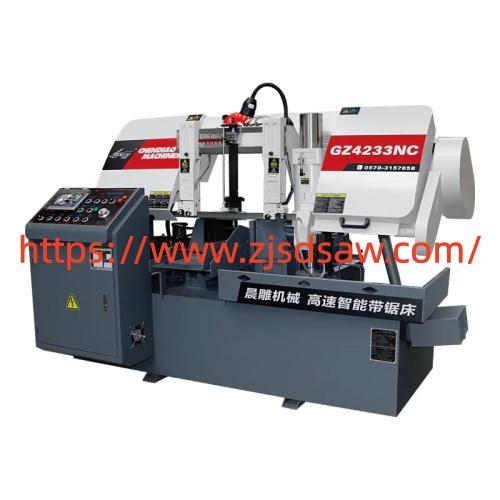
Fully Automatic Metal Cutting Band Saw Machine selection starts with understanding the materials, cutting schedules, and production conditions inside your workshop. A machine that suits one factory may not fit another, even when both process metal components every day. Before comparing models, buyers should identify the dimensions of their workpieces, the number of cuts required per shift, and the consistency expected from each batch. These details provide a practical starting point for evaluating equipment and avoiding a purchase that does not match actual operating needs.
Material capacity deserves early attention. Metalworking businesses may handle round bars, square stock, rectangular profiles, pipes, or other forms with different dimensions. The machine must accommodate the size and shape of the materials used in regular production. Buyers should review the specified cutting range and confirm whether it covers their usual workpieces as well as occasional larger jobs. It is also useful to ask about the materials the machine is designed to process, since steel grades, aluminum, and other metals can require different cutting settings and blade choices.
Automation is another important consideration, but the word automatic can describe several functions. Some machines handle feeding, clamping, and cutting through a programmed sequence, while others provide a different level of operator involvement. Buyers should check which steps are automated and which still require manual adjustment. For facilities processing repeated lengths in batches, automatic feeding and programmable settings may help reduce repetitive handling. For mixed production with frequent changes in material size, the ease of updating parameters can be just as important as the number of automated functions.
Cutting consistency depends on more than the control panel. Blade speed adjustment, workpiece clamping, feed control, and machine structure all affect how the equipment handles a cutting task. A suitable clamping system helps hold material in position during operation, while adjustable settings allow operators to respond to different material requirements. Ask the supplier how the machine manages common production tasks and what procedures are recommended when changing between materials. Where dimensional requirements are strict, discuss the expected cutting tolerance and how it should be checked during acceptance testing.
Daily workflow should also influence the decision. Consider how raw stock will reach the machine, where finished pieces will be collected, and whether the feeding arrangement suits the available floor space. Long material may need extra support, while high-volume work can benefit from a layout that reduces unnecessary movement between operations. Buyers should review the equipment dimensions and service access before finalizing an installation plan. Planning these details early can help avoid congestion and make it easier for operators to load materials, monitor cutting, and carry out routine checks.
Maintenance and operator support are worth reviewing before an order is placed. Ask which components need regular inspection, how blade replacement is performed, and whether common wear parts can be sourced when required. A clear maintenance schedule can help production teams plan servicing around their workload. Training should also cover operating procedures, safety functions, setup changes, and the response to common alarms. Buyers may wish to clarify what technical guidance is available after installation and how service questions will be handled if operating conditions change.
Cost should be considered across the equipment’s working life rather than by purchase price alone. Blade consumption, power requirements, routine servicing, operator time, and material waste can all affect ongoing expenses. A model with functions that are rarely used may not offer practical value for a simple cutting schedule, while a machine with suitable automation may help a busy workshop organize repeated jobs. Comparing these factors against real production data gives purchasing teams a clearer basis for assessing the options.
Chendiao offers industrial sawing equipment for different metal processing requirements, including automatic band saw models designed for repeated cutting tasks. Before making a decision, buyers can compare machine specifications, review the available configurations, and discuss their material dimensions and production plans with the supplier. This preparation helps narrow the choices to equipment that fits the intended workflow. To review the product range and identify a model for your application, visit https://www.zjsdsaw.com/ and use your workshop requirements as the basis for the next discussion.

 English
 Arabic
 French
 Spanish
 Portuguese
 Deutsch
 Turkish
 Dutch
 Italiano
 Russian
 Portuguese (Brazil)
 Greek