


Tire Balancing Dubai: Benefits, Warning Signs, and Maintenance
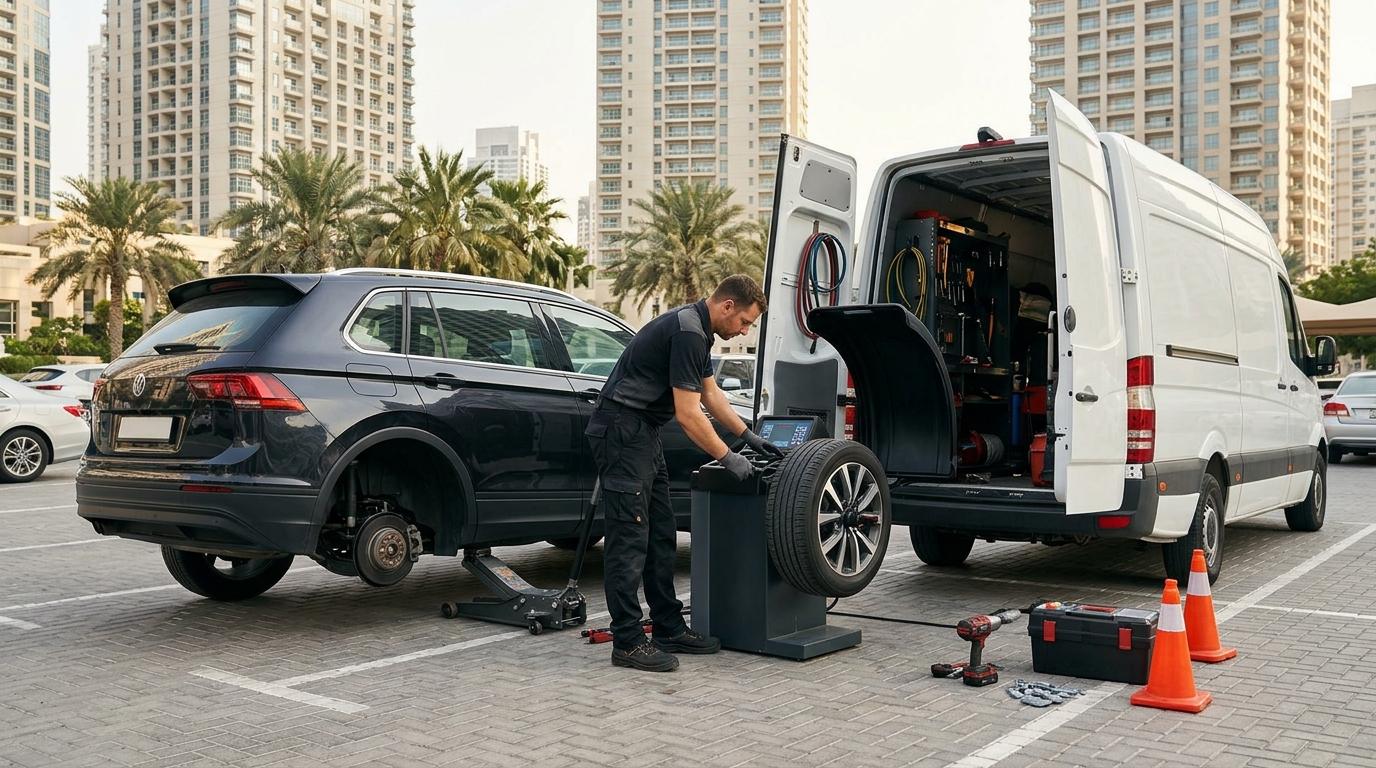
Smooth driving depends on several important vehicle maintenance practices, including properly balanced tires. When wheels and tires have uneven weight distribution, drivers may experience vibrations, uncomfortable handling, and irregular tire wear. Professional tire balancing Dubai services help correct this imbalance, supporting a smoother ride and more consistent tire performance on city roads and highways.
Dubai drivers regularly travel through busy urban streets, residential areas, and high-speed highways. These driving conditions make tire maintenance an important part of vehicle ownership. Understanding how tire balancing works, recognizing warning signs, and arranging inspections when necessary can help drivers maintain their vehicles and identify potential wheel problems early.
What Is Tire Balancing?
Tire balancing is a maintenance procedure that corrects uneven weight distribution in a wheel and tire assembly. Even a new tire and wheel may have small differences in weight around their circumference. When the assembly rotates, these differences can create vibrations, particularly at higher speeds.
During a balancing service, a technician removes the wheel when necessary and mounts it on a specialized balancing machine. The machine spins the assembly and measures its imbalance. Small balancing weights are then placed at the appropriate positions to improve weight distribution.
The technician checks the wheel again to confirm that the correction is effective before reinstalling it.
Proper balancing does not repair every tire problem, but it can address vibration caused by uneven weight distribution.
Why Tire Balancing Matters in Dubai
Improved Driving Comfort
Unbalanced tires can cause shaking through the steering wheel, seats, or vehicle floor. These vibrations may become more noticeable during highway driving.
Correcting the imbalance can improve driving comfort and help the vehicle feel smoother at different speeds.
More Even Tire Wear
Uneven weight distribution can contribute to vibration and irregular tire wear. Although tire wear can also result from incorrect alignment, inflation problems, suspension faults, or damaged tires, balancing helps address one possible cause.
Regular inspections can help identify wear patterns before they become more serious.
Support for Vehicle Components
Persistent vibration can place additional stress on certain vehicle components. Correcting wheel imbalance may help reduce unnecessary vibration, although it cannot replace inspections of suspension parts, bearings, and other mechanical systems.
Better Highway Driving Experience
Many drivers in Dubai travel regularly on major roads and highways. Vibrations that are barely noticeable at low speeds may become more apparent as speed increases.
A properly balanced wheel and tire assembly can help reduce imbalance-related shaking and improve overall ride comfort.
Signs Your Tires May Need Balancing
Recognizing common warning signs can help drivers decide when to arrange an inspection.
Steering Wheel Vibration
If the steering wheel shakes while driving, particularly within a specific speed range, wheel imbalance may be one possible cause. However, damaged tires, bent rims, worn suspension components, and other mechanical issues can create similar symptoms.
A professional inspection can help determine the source.
Vibration Through the Seats
Vibrations felt through the seat or vehicle floor may indicate an issue involving the rear wheels or tires. The exact source depends on the vehicle and the nature of the vibration.
Uneven Tire Wear
Irregular wear patterns may indicate balancing problems, incorrect tire pressure, alignment issues, or suspension faults. A technician should inspect the tires rather than assuming that balancing alone will resolve the issue.
Vibration After Installing New Tires
New tires should be balanced when they are mounted on wheels. If a vehicle starts vibrating shortly after tire replacement, the balancing procedure and installation should be checked.
A missing balancing weight or a damaged wheel may also contribute to the problem.
How Professional Tire Balancing Works
Understanding the process helps drivers know what to expect during a service appointment.
Initial Wheel Inspection
The technician checks the tire and wheel for visible damage, unusual wear, and other concerns. A tire with structural damage may require replacement rather than balancing.
Mounting the Wheel on the Machine
The wheel and tire assembly is secured to a balancing machine. The machine rotates the assembly and measures how its weight is distributed.
Applying Balancing Weights
The equipment identifies where corrective weights are needed. The technician installs suitable weights according to the wheel design and the machine's readings.
Verification and Reinstallation
The wheel is checked again to confirm the correction. After balancing, the technician reinstalls it and tightens the wheel fasteners according to the vehicle manufacturer's specifications.
If vibration remains after balancing, further investigation may be needed.
Tire Balancing vs. Wheel Alignment
Tire balancing and wheel alignment are different services, although both contribute to driving comfort and tire maintenance.
Tire balancing corrects uneven weight distribution in the wheel and tire assembly. It is commonly considered when drivers experience vibration at certain speeds.
Wheel alignment involves adjusting wheel angles according to the vehicle manufacturer's specifications. Alignment issues may cause the vehicle to pull to one side, the steering wheel to sit off-centre, or tires to wear unevenly.
A vehicle may need one service or both, depending on the symptoms. Balancing will not correct incorrect wheel angles, and alignment will not remove weight imbalance.
When Should You Get Your Tires Balanced?
Tire balancing is generally recommended when new tires are installed, when a tire is removed from its wheel for certain repairs, or when vibration suggests a possible imbalance.
Drivers should also consider an inspection after a strong impact with a pothole or kerb, especially if new vibrations appear.
There is no single mileage interval that suits every vehicle and driving pattern. Follow the vehicle manufacturer's maintenance guidance and seek professional advice when symptoms develop.
Regular tire inspections can help identify damaged wheels, unusual wear, and other issues that may require attention.
Choosing a Tire Balancing Service in Dubai
When selecting a service provider, consider the following factors:
-
Proper equipment: Ask whether the workshop uses a suitable wheel-balancing machine for your vehicle.
-
Experienced technicians: Staff should understand different wheel designs and tire requirements.
-
Clear inspection: The provider should check for visible damage and explain any additional concerns.
-
Transparent pricing: Request a clear estimate before approving the work.
-
Correct installation: Wheel fasteners should be tightened according to the manufacturer's specifications.
-
Follow-up advice: Ask what to do if vibration continues after balancing.
A good service should explain the work performed and identify problems that balancing alone cannot correct.
Conclusion
Tire balancing is an important part of routine vehicle maintenance. It helps correct uneven weight distribution that may cause steering vibration, uncomfortable driving, and irregular tire wear. Regular inspections are particularly useful when new tires are installed or when a vehicle develops unexpected shaking.
Choosing professional tire balancing Dubai services can help drivers identify wheel imbalance and maintain a smoother driving experience. If vibrations continue after balancing, a further inspection can help identify tire damage, alignment concerns, or other mechanical problems.
Frequently Asked Questions
What is the main purpose of tire balancing?
Tire balancing corrects uneven weight distribution in a wheel and tire assembly, helping reduce vibration and supporting smoother driving.
How do I know if my tires need balancing?
Common signs include steering wheel shaking at certain speeds, vibration through the seats, and vibrations that appear after new tires are installed.
Is tire balancing the same as wheel alignment?
No. Balancing corrects weight distribution, while alignment adjusts wheel angles according to vehicle specifications.
Should new tires be balanced?
Yes. Wheels should be balanced when new tires are mounted to help prevent vibration caused by uneven weight distribution.
Can tire balancing fix every type of vibration?
No. Balancing addresses weight imbalance, but damaged tires, bent rims, suspension faults, and other mechanical issues may require different repairs.

 English
 Arabic
 French
 Spanish
 Portuguese
 Deutsch
 Turkish
 Dutch
 Russian
 Romaian
 Portuguese (Brazil)
 Greek