


Community Participation Activities: Ideas That Build Skills and Connection
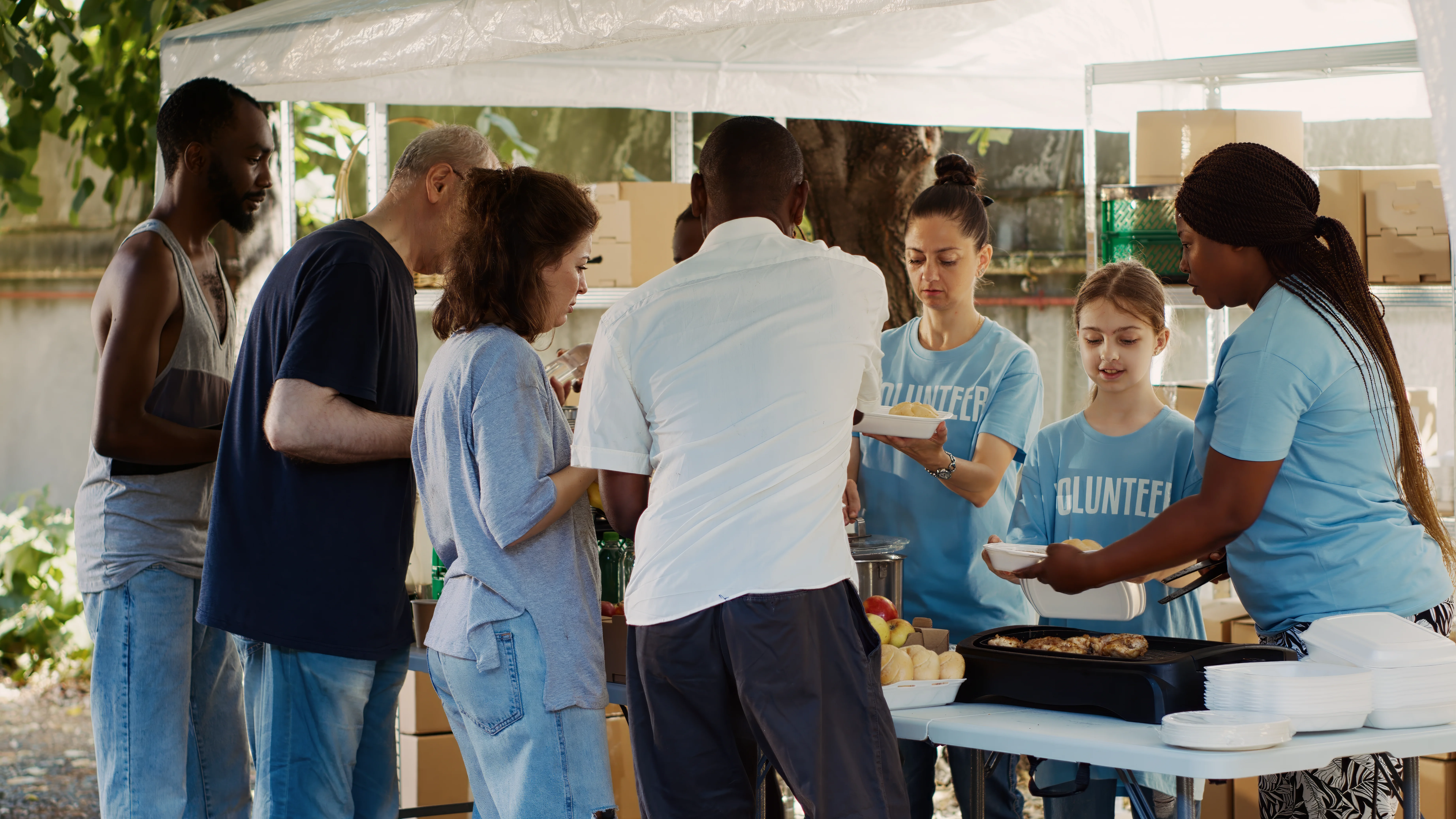
Taking part in community life builds friendships, skills, and confidence. Community participation activities help NDIS participants join social, recreational, and everyday experiences that match their goals. This guide shares activity ideas, benefits, and simple steps to get started. Trained NDIS Support Workers guide participants through each activity, and NDIS Cleaning Gold Coast services help keep the home tidy, so participants feel ready to head out.
What Are Community Participation Activities?
Community participation activities help people join social, recreational, and everyday community life. Each activity matches the participant’s own goals and interests. The aim is simple: more connection, more skills, and more confidence.
Why Community Participation Matters
- Friendships and a sense of belonging
- New skills and experiences
- Confidence, routine, and wellbeing
Community Participation vs. Community Access
The two terms overlap. Both describe support to join activities outside the home. Providers may use them in slightly different ways, so ask each provider to explain what they offer.
Individual and Group Activities
One-on-one support suits personal goals and quieter settings. Group sessions suit shared interests and new friendships. Many participants enjoy a mix.
Community Participation Activity Ideas
Cooking and Baking Activities
Hands-on classes build life skills and friendships. Participants plan, cook, and share a meal together.
Creative and Arts Activities
Painting, crafts, music, and drama let participants express themselves and meet new people.
Outdoor and Fitness Activities
Walks, park visits, beach days, and gentle exercise support health and wellbeing.
Social and Recreational Activities
Cafe visits, games groups, and local events help participants practise conversation and teamwork.
Learning and Skill-Building Activities
Library visits, workshops, and volunteering build confidence and routine.
Why Cooking and Baking Work So Well
Practical Life Skills
Participants learn to measure, cook, stay safe in the kitchen, and clean up. These independent living skills support daily life at home.
Social Connection
Teamwork and shared meals build friendships. Participants talk, laugh, and enjoy food together.
Confidence and Independence
A finished dish creates a clear sense of achievement. Each success builds self-belief.
Fine Motor and Sensory Development
Chopping, kneading, and stirring strengthen hand skills. Different textures and smells also support sensory exploration.
Links to the Wider Community
Participants shop for ingredients and share food with others. These steps turn a class into real community participation.
Benefits of Community Participation Activities
Social Connection and Belonging
New friends and shared experiences reduce isolation.
Independence and Daily Living Skills
Participants practise planning, travel, money, and communication.
Health and Wellbeing
Movement, routine, and enjoyment support long-term wellbeing.
Pathways to Work and Learning
Teamwork, time management, and following instructions help participants prepare for work or further learning.
What a Session Looks Like
A Typical Cooking or Baking Session
- Welcome and safety check
- Recipe review
- Hands-on preparation
- Cooking or baking
- Shared meal and clean-up
How Support Works
Small groups and one-on-one help give each participant the right level of support. NDIS Support Workers explain each step, offer prompts, and celebrate progress, while clear routines and adapted tools keep everyone involved. After the session, NDIS Cleaning Gold Coast supports can help maintain a safe, tidy kitchen at home, so participants can practise new skills between sessions.
Safety and Accessibility
Accessible venues, supervised heat use, and sensory-friendly options keep sessions safe and comfortable. Participants can take a break whenever they need one.
Community Participation Activities and NDIS Funding
Many participants use funding from their plan for community participation activities. Funding often falls under social and community participation or capacity building supports, but every plan is different. Talk to your support coordinator or plan manager to check your goals and budget, and check official NDIS pages for current terms. Ask how NDIS Support Workers and NDIS Cleaning Gold Coast services can fit alongside your activities, so every part of daily life supports your goals.
Goals These Activities Can Support
- Independence and daily living skills
- Social and community participation
- Confidence and decision-making
- Preparation for work or supported living
How to Choose the Right Provider
Ask these questions before you book:
- Is the provider registered?
- What is the support ratio?
- Do support workers have disability support experience?
- Can activities match my goals and interests?
- Are venues accessible?
Visit the venue, meet the team, and ask for a trial session. Look for clear communication, small groups, and positive feedback from families.
How to Get Started
Step 1: Set Your Goals
Decide what skills, friendships, or experiences matter most to you.
Step 2: Check Your Plan
Talk to your support coordinator or plan manager about your goals and budget.
Step 3: Compare Options
Ask questions and visit the venue.
Step 4: Book a Trial Session
See how the activity feels before you commit.
Why Choose Care & Culinary?
At Care & Culinary, we run supportive, person-centred cooking and baking programs. We adapt each session to the participant, and we focus on safety, respect, and real progress. Our team welcomes questions from participants, families, and carers, and we explain every step so you feel informed and comfortable.
Frequently Asked Questions
What counts as a community participation activity?
Any activity that helps a person join social, recreational, or everyday community life can count. Examples include cooking classes, creative groups, outdoor activities, and outings.
What are some examples for adults with disability?
Cooking and baking sessions, art groups, walks, cafe visits, library workshops, and volunteering are popular choices.
Can the NDIS fund community participation activities?
Often, yes, if they match your plan’s goals and budget. Check with your support coordinator or plan manager.
Are cooking and baking good community participation activities?
Yes. They build life skills, friendships, and confidence in a supported, hands-on setting.
How do I choose a provider or activity?
Check registration, support ratios, accessibility, and staff experience. Ask for a trial session before you commit.
Start Community Participation Activities Today
Community activities build skills, friendships, and confidence in a safe, welcoming space. Contact our team today to ask questions or book a trial session.

 English
 Arabic
 French
 Spanish
 Portuguese
 Deutsch
 Turkish
 Dutch
 Italiano
 Romaian
 Portuguese (Brazil)
 Greek