


Why Basmati Rice in Pakistan is the Most Exported Grain in the World
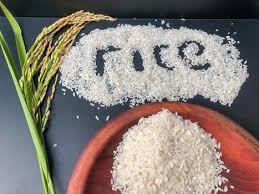
There is a grain that travels further than any other agricultural product Pakistan produces. It crosses oceans, enters royal kitchens, sits on supermarket shelves in forty different countries, and earns Pakistan billions of dollars every single year without fail. That grain is basmati rice — and Pakistan grows it better than almost anyone else on the planet.
Basmati rice in Pakistan is not simply a crop. It is a national achievement that represents decades of agricultural excellence, scientific research, and the tireless dedication of millions of farmers who tend their fields through every season with extraordinary care and commitment. When the world wants the finest long grain aromatic rice, it turns to Pakistan with consistent regularity.
What makes this story even more remarkable is how Pakistan achieved this global dominance. It was not through advertising campaigns or political deals. It was through the simple and undeniable power of genuine quality. Pakistani basmati rice earned its world-famous reputation one grain at a time, one satisfied customer at a time, and one exported shipment at a time over many decades of consistent excellence.
In this article we will explore the full fascinating story of why basmati rice in Pakistan became the most celebrated exported grain in the world. From the fertile fields of Punjab to the dining tables of London, Dubai, and New York — this is a story of agricultural pride that every Pakistani deserves to know and celebrate with genuine national pride.
The Geography Behind Pakistan's Basmati Rice Export Dominance
Geography is destiny in agriculture, and nowhere is this truth more powerfully demonstrated than in the story of basmati rice in Pakistan. The specific combination of land, water, climate, and soil chemistry that exists in Pakistan's rice growing regions is so unique and so perfectly suited to basmati cultivation that it simply cannot be replicated anywhere else in the world with the same results.
The heartland of Pakistani basmati production is the central Punjab region, particularly the districts of Gujranwala, Sheikhupura, Sialkot, Narowal, Hafizabad, and Mandi Bahauddin. This area is sometimes called the rice bowl of Pakistan and for very good reason. The soil here has a unique mineral composition that directly contributes to the development of basmati's signature fragrance compounds during the grain filling stage of growth.
The water source is equally important. Rice fields in this region are irrigated by canals fed by the Ravi, Chenab, and Jhelum rivers — rivers that originate in the Himalayan mountains and carry mineral-rich glacial water that nourishes the rice plants in ways that ordinary groundwater simply cannot match. This Himalayan water connection is a natural advantage that Pakistan's competitors cannot easily replicate or replace.
The climate pattern in Pakistan's basmati belt is another key geographical advantage. The growing season features hot days that promote vigorous plant growth combined with cool nights during the grain filling period that help develop the aromatic compounds responsible for basmati's world-famous fragrance. This day-night temperature difference is a critical factor that agricultural scientists consistently identify as essential for producing genuinely fragrant premium quality basmati rice.
Pakistan's Basmati Rice Export Numbers – The Billion Dollar Reality
When we talk about basmati rice in Pakistan as the most exported grain in the world, we are talking about numbers that are genuinely staggering and that reflect an industry of enormous economic significance for the entire country and its agricultural sector.
Pakistan consistently exports between 2 to 2.5 million metric tons of rice annually. Of this total, a significant and highly valuable portion consists of premium basmati varieties that command much higher prices per ton in international markets compared to ordinary non-basmati rice varieties grown by competing countries around the world.
The total value of Pakistan's rice exports regularly exceeds two billion dollars per year and continues to grow as global demand for premium basmati increases in new markets across Africa, Europe, and North America. This makes rice one of the single most important agricultural export commodities in Pakistan's entire export portfolio and a critical source of foreign exchange earnings.
Saudi Arabia consistently ranks as the largest single importer of Pakistani basmati rice, purchasing enormous quantities every year to meet the demands of its large population that deeply loves rice-based dishes as central elements of their traditional cuisine. The UAE, Iran, Kenya, United Kingdom, and United States are also among the top destinations for Pakistani basmati exports year after year.
The Rice Exporters Association of Pakistan works actively to maintain and grow these export relationships by ensuring quality standards remain high, addressing any trade disputes diplomatically, and actively promoting Pakistani basmati in new markets where awareness and demand are still growing but showing very promising trends.
How Pakistani Farmers Grow the World's Most Exported Basmati Rice
Behind every exported bag of basmati rice in Pakistan is a farmer whose story deserves to be told. The agricultural practices, traditional knowledge, and modern techniques that Pakistani rice farmers use combine to create a product of remarkable consistency and quality that keeps international buyers coming back season after season without looking elsewhere.
The rice growing season in Pakistan begins with land preparation in May and June. Farmers prepare their fields carefully, leveling the land to ensure even water distribution and working organic matter into the soil to maintain fertility. This preparation stage is critical because properly prepared fields produce more uniform crops with better grain quality across the entire harvest.
Transplanting of rice seedlings typically happens in June and July after the monsoon rains begin providing natural irrigation to supplement the canal water system. Pakistani farmers have generations of accumulated wisdom about the right time to transplant, the correct spacing between plants, and the water management techniques that produce the best quality grains.
Modern Pakistani rice farmers increasingly combine traditional knowledge with scientific advances. Agricultural extension services provided by the government introduce farmers to improved seed varieties, integrated pest management techniques, and efficient water use practices that increase both yield and quality simultaneously.
The harvest comes in October and November when the golden fields of Punjab transform into scenes of incredible agricultural beauty and activity. Mechanical harvesters have largely replaced manual harvesting in recent decades, increasing efficiency and reducing post-harvest losses that previously affected the quality and quantity of rice available for export.
After harvesting, the rice goes through milling, cleaning, and quality sorting before being aged, packaged, and shipped to customers around the world who have been waiting patiently for the new season's premium Pakistani basmati to arrive at their doors.
Countries That Love Pakistani Basmati Rice the Most
The global fan base for basmati rice in Pakistan is vast, passionate, and growing larger every single year as more countries discover the unmatched quality that Pakistani basmati consistently delivers. Understanding which countries import the most Pakistani basmati and why reveals fascinating insights about global food culture and culinary preferences.
Saudi Arabia's love affair with Pakistani basmati is deep and long-standing. Saudi cuisine revolves around rice dishes like Kabsa, Mandi, and Jareesh that require long grain aromatic rice to taste authentic and satisfying. Pakistani Super Kernal Basmati has become the preferred choice of Saudi households and professional restaurant chefs who refuse to compromise on the quality of this essential ingredient.
The United Arab Emirates is another massive importer where Pakistani basmati is a kitchen staple for both the large South Asian expatriate community and increasingly for Emirati families who have developed a genuine appreciation for its superior fragrance and cooking qualities compared to other rice varieties available in local markets

 English
 French
 Spanish
 Portuguese
 Deutsch
 Turkish
 Dutch
Dutch
 Italiano
 Russian
 Romaian
 Portuguese (Brazil)
 Greek
Greek