


Surprising Foods That Contain Gluten (Even When You Don't Expect It)
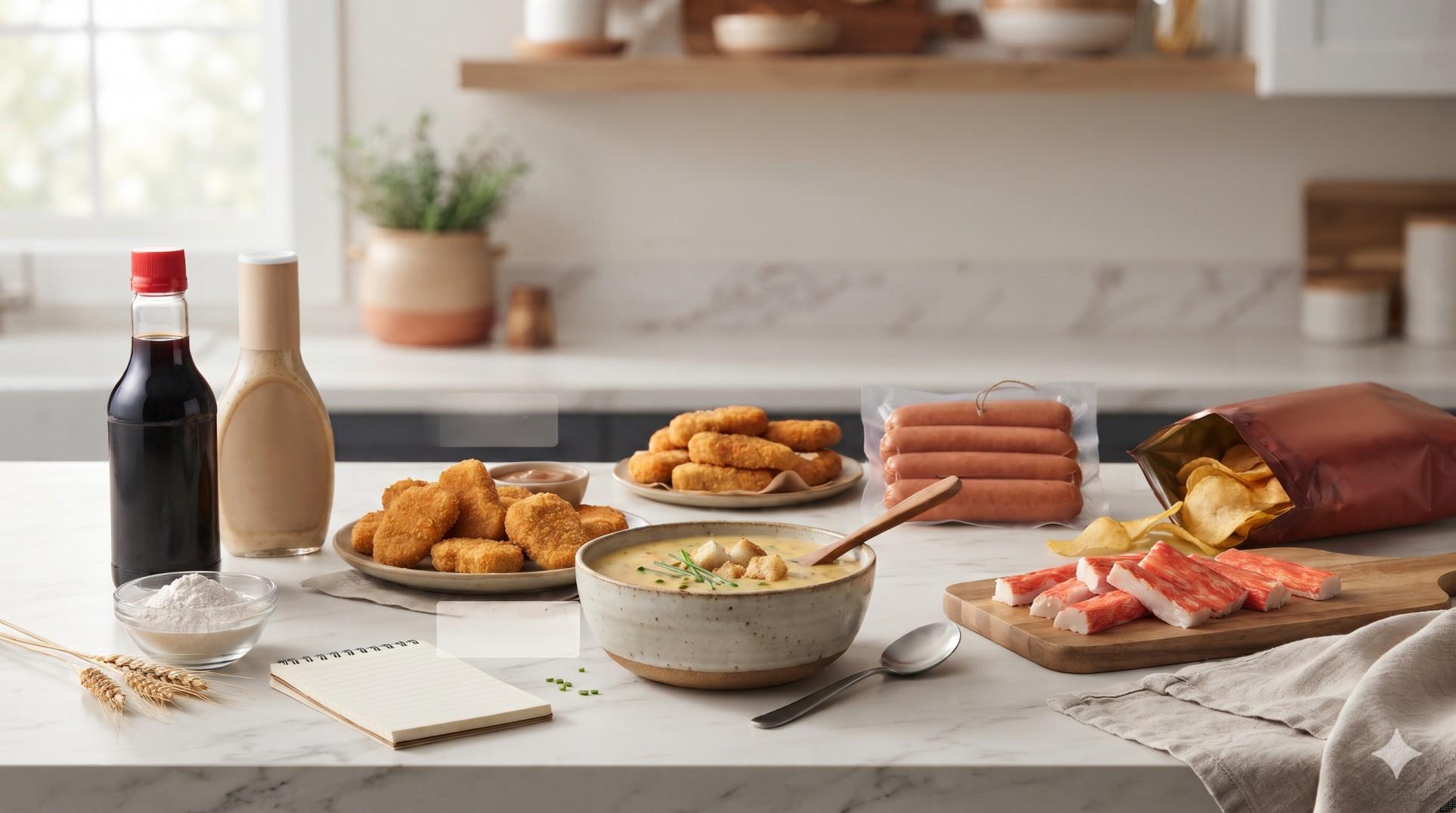
What if some of the foods you eat every week contain gluten and you’ve never even thought to check? No, I am not talking particularly about bread and pasta. They are the obvious ones, but I am talking about everyday foods you probably would not suspect, like sauces, soups, and even some snacks. Surprised? That’s where things get interesting. If you’re trying to eat gluten free, knowing which foods deserve a second look is just as useful as knowing which ones to avoid. Let’s look at some surprising places gluten can turn up, along with what to check before you take another bite.
Foods Containing Gluten
Soy Sauce
Soy sauce is probably not the first thing that comes to mind when you think of gluten. However, many traditional soy sauces contain wheat, which makes them unsuitable for a gluten free diet. If you enjoy soy sauce, look for a variety labelled gluten free. Tamari is often a good option, but check the product label to make sure it is certified or clearly labelled gluten free.
Canned Soups and Soup Mixes
A warm bowl of soup sounds harmless enough, right? But some canned soups and instant soup mixes contain wheat flour as a thickener. Others use seasonings or other ingredients that could contain gluten. Creamy soups, in particular, are worth checking because flour is often added to them to give them a thicker texture.
It’s recommended to take a quick look at the ingredient list before adding a soup to your grocery basket. And if you’re on a strict gluten free diet, check the allergen information, too, as recipes vary from one brand to another.
Salad Dressings and Sauces
That salad dressing you pour over your greens or the sauce you add to your favourite pasta might need a closer look. Yes, I am saying because some bottled dressings, gravies, and cooking sauces contain wheat flour, soy sauce, or other ingredients that contain gluten. Thick sauces have particularly high chances, as wheat flour is often used to get that smooth, rich texture.
This does not mean you need to completely avoid your favourite sauces. Just check the ingredients list before buying, especially when trying a new brand. Many sauces are naturally gluten-free, so the ingredients on the label are what matter.
Flavoured Chips and Packaged Snacks
Plain potatoes are naturally gluten-free, so the chips made of them might seem like a safe choice. But flavoured varieties are a different story. During processing, the seasonings, added ingredients, or risk of cross-contamination could make some varieties unsuitable for a gluten-free diet. The same goes for certain crackers, snack mixes, and flavoured corn snacks. Again, check the ingredient list before buying and if you found gluten free ingredients, look for alternatives.
Processed Meats and Meat Alternatives
Sausages, deli meats, meatballs, and plant-based meat alternatives - they are not always as straightforward as they seem. Some products contain wheat flour, breadcrumbs, or other gluten-containing ingredients that act as binders or fillers. Certain meat substitutes also use wheat gluten to create a chewy, meat-like texture. If you enjoy these foods, check the ingredient list before buying. You’ll find gluten-free options, but don’t assume every product is safe just because it doesn’t contain bread or pasta.
Chocolates and Candies
If you have a sugar tooth, you naturally crave sugary treats like chocolates. And candies and somehow, these sound like a safe treat, but some varieties contain ingredients that might surprise you. Chocolate with cookie pieces, wafer layers, or crunchy cereal filings often contains wheat. Certain candies and sweets also use ingredients that need a closer look. You don’t have to give up chocolate if you’re avoiding gluten. Plain chocolate made with gluten free ingredients or dark chocolate is usually suitable, but still, check the label, particularly for filled chocolates and mixed confectionery.
Pickles and Marinades
Who thought pickles can also contain gluten? Not all pickles, but some varieties use seasonings, flavourings, or sauces that contain gluten. Marinades can be trickier, especially when they include soy sauce or ready-made seasoning mixes. Plain pickled vegetables made with vinegar, salt, and spices are often considered gluten free products, but checking the full ingredient list still matters.
Oats and Oat-Based Products
There’s also a catch with oats, though they might seem like an obvious gluten free breakfast choice. Oats are naturally gluten free, yet they often come in contact with wheat, barley, or rye during growing, processing, or packaging. This makes regular oats unsuitable for some people who need to avoid gluten.
Apart from that, oatmeal, granola, or oat-based snack bars may also hide gluten, so look for products specifically labelled gluten free. People with celiac disease should also follow their healthcare professional’s advice on including oats in their diet, as some may react to avenin, a protein naturally found in oats.
Final Thoughts
Now you know many foods contain gluten, including some you might not expect. Bread and pasta are easy to spot, but you should also consider sauces, soups, seasonings, and packaged snacks. If you're following a gluten-free diet, take a moment to check ingredient labels before adding products to your cart. A little extra attention can help you make more informed food choices.

 English
 Arabic
 French
 Spanish
 Portuguese
 Deutsch
 Turkish
 Italiano
 Russian
 Romaian
 Portuguese (Brazil)
 Greek