


DIY Kitchen Cabinets: How to Design, Choose, and Install the Right Cabinets
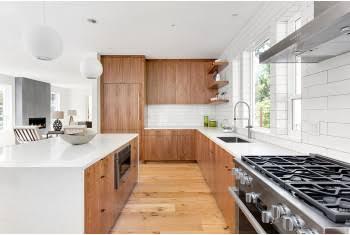
Kitchen cabinets have a major influence on how a kitchen looks and functions. They provide storage for everyday essentials, help keep work surfaces organized, and contribute to the room's overall style. If your existing cupboards are outdated or no longer suit your household, a carefully planned renovation can make the space more practical. Exploring do it yourself kitchen cabinet options can help you compare cabinet styles, understand installation requirements, and plan improvements that fit your budget.
1. Understand Your Kitchen's Requirements
Before selecting cabinets, consider how you use your kitchen every day. A household that cooks frequently may need deep drawers for cookware, spacious pantry storage, and easy access to utensils. A smaller kitchen may benefit from compact cabinets and storage features that use available space efficiently.
Walk through the room and identify the problems you want to solve. Write down your priorities so you can focus on changes that offer genuine benefits.
Measure the Space Accurately
Measure the walls, floor-to-ceiling height, and available cabinet depth. Record the positions of windows, doors, appliances, sinks, and electrical outlets.
Create a simple drawing showing where the cabinets will go. Check that refrigerator doors, oven doors, and cabinet drawers can open without interfering with neighboring units.
Accurate measurements are especially important when ordering cabinets online. If your walls or floors are uneven, account for these conditions before choosing cabinet dimensions.
2. Choose a DIY Cabinet Solution
There are several ways to approach a cabinet renovation. Your choice should depend on your woodworking experience, available tools, budget, and the condition of the existing kitchen.
Build Custom Cabinets
Building cabinets from raw materials gives you control over their size, construction, and internal layout. This can be useful when your kitchen has unusual dimensions or requires specialized storage.
However, the process involves precise measurements, careful cutting, and accurate assembly. Beginners should practice with a small storage unit before attempting a complete kitchen project.
Install Ready-to-Assemble Cabinets
Ready-to-assemble cabinets arrive as separate components that must be assembled before installation. They can be a practical option for homeowners who want to complete part of the work themselves.
Before buying, review the assembly instructions, panel materials, hardware, and warranty. Confirm that the available sizes match your floor plan and that the package includes the components you need.
Upgrade Existing Cabinets
If the cabinet boxes are structurally sound, replacing every unit may be unnecessary. Repainting doors, installing new handles, replacing worn hinges, or adding drawer organizers can refresh the kitchen without a complete replacement.
Inspect the existing cabinets for moisture damage, loose joints, and deteriorating panels before deciding to reuse them.
3. Select Materials and Finishes Carefully
Cabinet materials influence appearance, maintenance, and overall cost. Consider your preferred style alongside the practical demands of a busy kitchen.
White Oak Cabinets
White oak is valued for its visible grain and natural appearance. It can complement neutral countertops, warm flooring, and both contemporary and traditional interiors.
When comparing white oak cabinets, check whether the product uses solid oak, oak veneer, or another material with an oak-style finish. Reviewing the specifications helps you understand what you are purchasing.
Black Kitchen Cabinets
Black cabinets can give a kitchen a contemporary appearance. They pair well with light countertops, contrasting backsplashes, and natural wood accents.
Consider your room's lighting before choosing a dark finish. Lighter walls and under-cabinet lighting can help balance the design, particularly in smaller kitchens.
Painted and Laminate Finishes
Painted cabinets provide flexibility in color, while laminate options offer a variety of patterns and surface styles. Request samples when possible and compare them under your kitchen's lighting conditions.
Also consider cleaning requirements and how the finish may hold up around frequently used handles, sinks, and cooking areas.
4. Compare Cabinet Suppliers Before Ordering
Choosing a supplier involves more than comparing prices. Product dimensions, construction quality, delivery arrangements, customer service, and return policies all matter.
Read reviews that describe actual purchasing experiences. Look for recurring feedback about damaged deliveries, missing hardware, unclear assembly instructions, and replacement procedures.
Calculate the Full Purchase Cost
Some advertised prices include only the basic cabinet units. Doors, shelves, hinges, handles, trim, and delivery may be charged separately.
Make a checklist of everything needed to complete the installation. Compare the total estimated costs rather than assuming the cheapest advertised product offers the best value.
Before placing an order, confirm the measurements, expected delivery date, warranty, and return conditions. Keep your order confirmation and measurement notes for reference.
5. Design Cabinets Around Your Daily Routine
A functional cabinet layout should make common tasks easier. Store frequently used items close to the areas where you prepare meals, cook, and clean.
Keep pots and pans near the stove, place everyday dishes close to the dishwasher, and organize utensils near the main preparation surface.
Make Better Use of Available Space
Deep drawers can simplify access to cookware, while adjustable shelves accommodate containers of different sizes. Pull-out pantry units may help use narrow spaces, and corner organizers can improve access to items stored at the back.
Measure the internal dimensions before buying accessories and check their compatibility with the cabinet system. Follow the manufacturer's load recommendations when storing heavy cookware or appliances.
In compact kitchens, efficient storage is often more useful than adding extra cabinets that reduce countertop space.
6. Prepare for Installation
Proper preparation helps keep the renovation organized. Clear the workspace, protect the floors, and inspect the walls and surrounding surfaces before removing existing units.
Take care around electrical wiring and plumbing connections. Use qualified professionals for utility disconnections, plumbing changes, electrical work, or structural modifications that require specialist expertise.
When your new cabinets arrive, inspect the components for damage and verify that the necessary hardware is included. Read the manufacturer's instructions before starting assembly.
Assemble and Secure the Cabinets
Follow the recommended assembly sequence and use the specified fasteners. Keep the cabinet boxes square so doors and drawers can align correctly.
Check that each unit is level and properly supported before securing it. Wall cabinets must be attached to suitable structural support using the manufacturer's recommended installation method.
After installation, adjust the hinges and drawer slides. Open and close each door and drawer to check its movement and clearance from nearby units and appliances.
7. Manage Your Budget Wisely
Cabinet purchases are only one part of a kitchen renovation. Tools, delivery, hardware, trim, waste removal, and professional assistance can all increase the total cost.
Prioritize reliable construction, correct dimensions, and useful storage before spending on decorative upgrades. If your existing cabinets are in good condition, refinishing them may leave more money available for countertops or lighting.
It is also helpful to set aside a contingency amount for unexpected issues, such as uneven walls or damaged surfaces discovered during removal.
Conclusion
DIY kitchen cabinets can help homeowners improve storage, update an outdated interior, and create a more convenient cooking environment. The best approach begins with accurate measurements, a clear layout, suitable materials, and a realistic understanding of the work involved.
Whether you build custom cabinets, assemble ready-to-assemble units, or renovate existing cupboards, focus on functionality as well as appearance. Compare suppliers carefully, follow installation instructions, and seek professional assistance when necessary.
With thoughtful planning and careful execution, you can create a kitchen that makes better use of available space and supports your household's everyday needs.


 English
 French
 Spanish
 Portuguese
 Deutsch
 Turkish
 Dutch
 Italiano
 Russian
 Romaian
 Portuguese (Brazil)
 Greek