


Automotive Boxes: Types, Materials and Packaging Uses
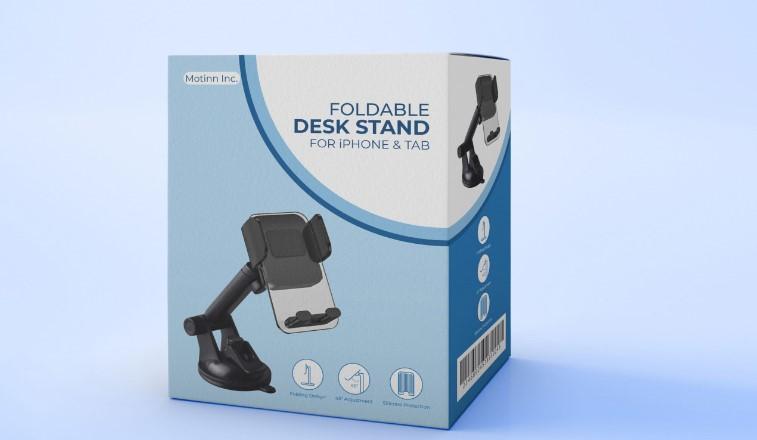
Automotive boxes play an important role in protecting car parts during storage, handling and transportation. From small screws and electrical components to replacement parts and vehicle accessories, every product needs packaging suited to its size, weight and protection requirements.
Choosing the right automotive packaging can help businesses reduce product damage, organise stock and deliver components in good condition. The best option depends on the type of part, its surface finish, the distance it will travel and how it will be handled.
This guide explains the main types of automotive boxes, the materials used to make them and their practical applications.
What Are Automotive Boxes?
Automotive boxes are packaging solutions designed for vehicle components, spare parts, accessories and related products. They can be manufactured in different sizes, shapes and strengths to suit individual packaging requirements.
Some boxes are intended for lightweight products sold directly to customers, while others are designed for warehouse storage, distribution or shipping. Packaging may also include internal dividers, inserts and protective materials to keep components secure.
Unlike general-purpose packaging, automotive boxes can be designed around specific product requirements, helping businesses improve protection and make packing more efficient.
Why Is Automotive Packaging Important?
Automotive parts vary considerably in size, weight and fragility. A small electronic sensor needs different protection from a heavy metal component or a painted interior trim.
Suitable packaging helps address several common challenges.
-
Product protection: Appropriate box construction and internal cushioning can help reduce damage from impacts, movement and compression.
-
Organised storage: Dividers and compartments keep different components separated and easier to identify.
-
Efficient handling: Practical dimensions and secure closures make boxes easier to pack, stack and move.
-
Professional presentation: Printed packaging helps businesses display product information and maintain consistent branding.
-
Reduced waste: Correctly sized packaging can limit unnecessary material use and empty space.
The right packaging should balance protection, practicality and cost rather than simply using the thickest available material.
Types of Automotive Boxes
Different automotive products require different packaging styles. Understanding the main options helps businesses choose a suitable solution.
1. Corrugated Automotive Boxes
Corrugated cardboard boxes are widely used for shipping and storing automotive components. Their fluted inner layer provides structural support and cushioning, making them suitable for many replacement parts and accessories.
Single-wall corrugated boxes can work well for lighter products, depending on their dimensions and distribution conditions. Double-wall or stronger constructions may be appropriate for heavier components or more demanding transport requirements.
The correct board grade should be selected according to product weight, stacking loads and handling conditions.
2. Custom Printed Automotive Boxes
Custom printed automotive boxes combine product protection with clear branding and identification. Businesses can add logos, product names, instructions, part numbers and other relevant information.
These boxes can be useful for aftermarket accessories, replacement components and automotive products sold through retailers or online shops.
Printing should remain clear and readable, particularly where labels, barcodes or handling instructions are important. The design should also complement the box structure rather than compromise its practical use.
3. Small Parts and Component Boxes
Small automotive components, such as fasteners, clips, connectors and fittings, benefit from compact packaging that keeps products organised.
Small parts boxes can include internal dividers, separate compartments or fitted inserts. These features help prevent components from mixing together and make stock management easier.
For delicate electronic parts, suitable antistatic packaging may also be necessary. A standard cardboard box alone should not be assumed to provide protection against electrostatic discharge.
4. Heavy-Duty Automotive Boxes
Heavy-duty boxes are designed for components that place greater demands on packaging strength. Examples may include dense metal parts, larger replacement components and certain mechanical assemblies.
Depending on the application, businesses may choose reinforced corrugated board, internal supports or a combination of packaging materials.
Very heavy, oversized or irregular products may require a purpose-designed crate or palletised packaging system instead of a conventional box. The final design should be tested against the expected load and transport conditions.
5. Retail Automotive Boxes
Retail automotive boxes are used for products such as car accessories, maintenance items and selected replacement parts sold through shops or online retailers.
These boxes can include printed graphics, product descriptions and brand information to help customers identify the product.
Although appearance matters, retail packaging must also provide suitable protection. The design should consider storage, shelf display, delivery and the customer's ability to open the package safely.
Materials Used for Automotive Boxes
The right material depends on the component being packed and the conditions it will face.
Corrugated Cardboard
Corrugated cardboard is a practical option for many automotive shipping boxes. It offers a useful balance of strength, weight and cost, with different board constructions available for different applications.
It can also be printed and converted into custom shapes and sizes. However, board strength varies, and exposure to moisture or unsuitable loading can affect its performance.
Paperboard and Folding Carton Board
Paperboard is generally suitable for lighter automotive products, small accessories and retail packaging where print quality and presentation are important.
It is easier to fold into compact designs, but it may not provide sufficient protection for heavy components without additional structural support.
Rigid Board
Rigid board is thicker and more substantial than standard folding carton board. It may be suitable for premium automotive accessories, presentation packaging or selected product kits.
Its suitability depends on the product's weight and the level of protection required during transport.
Protective Inserts and Liners
The outer box is only one part of an effective packaging system. Foam inserts, corrugated dividers, moulded-pulp trays and suitable liners can provide additional protection.
For metal parts that may corrode, appropriate moisture-control or corrosion-inhibiting materials may be needed. Components with oily surfaces may require a compatible liner to prevent contamination or weakening of the cardboard.
How to Choose the Right Automotive Boxes
Selecting automotive packaging starts with understanding the product and its journey.
1. Check the product's dimensions and weight. Measure the component and identify any sharp edges, protruding parts or delicate surfaces. These details influence the box size and construction.
2. Consider transport and storage conditions. Think about stacking, repeated handling, vibration, delivery distance and possible exposure to moisture.
3. Select suitable materials. Match the board strength to the actual load. Add internal protection where the component could move, scratch or damage the packaging.
4. Choose practical dimensions. A well-fitted box reduces unnecessary empty space while allowing enough room for protective inserts.
5. Include useful product information. Where appropriate, add clear labels, part numbers, barcodes and handling instructions. Ensure that any required transport or safety information is accurate.
6. Test before ordering in bulk. Sample packing and transit testing can reveal problems with fit, closures, cushioning and stacking before full production begins.
Benefits of Custom Automotive Boxes
Standard packaging may not suit components with unusual dimensions or specific protection needs. Custom automotive boxes allow businesses to adapt the design to the product.
Options can include tailored dimensions, stronger board construction, internal dividers and branded printing. These features can help improve product organisation, reduce unnecessary packaging space and create a consistent presentation.
Businesses looking for packaging tailored to automotive products can explore custom automotive boxes from Artsy Packaging to review potential options for their requirements.
The most suitable design will depend on the component, order quantity, packaging process and delivery conditions.
Frequently Asked Questions
What are automotive boxes used for?
Automotive boxes are used to package, store and transport vehicle components, replacement parts, accessories and related products. Their construction depends on the product's size, weight and protection requirements.
Which material is best for automotive packaging?
Corrugated cardboard is suitable for many automotive shipping applications, while paperboard may work for lighter retail products. Heavy or sensitive components may need reinforced construction, inserts or specialist protective materials.
Can automotive boxes be customised?
Yes. Depending on the supplier and application, boxes can be customised by size, shape, board construction, printing and internal layout.
How can automotive boxes help prevent damage?
A correctly sized box, suitable board strength and appropriate internal protection can help limit movement, impacts and surface damage. Packaging should be tested under realistic handling and transport conditions.
Conclusion
Automotive boxes help businesses protect vehicle components, organise products and support reliable distribution. Corrugated boxes, printed cartons, small component boxes and heavy-duty packaging each serve different purposes.
Choosing the right solution means considering product weight, dimensions, material strength, internal protection and transport conditions. By matching packaging to these requirements, businesses can improve handling, reduce avoidable damage and present their automotive products professionally.

 English
 Arabic
 French
 Spanish
 Portuguese
 Deutsch
 Turkish
 Italiano
 Russian
 Romaian
 Portuguese (Brazil)
 Greek