


Male Fertility Test: Common Types and What They Reveal
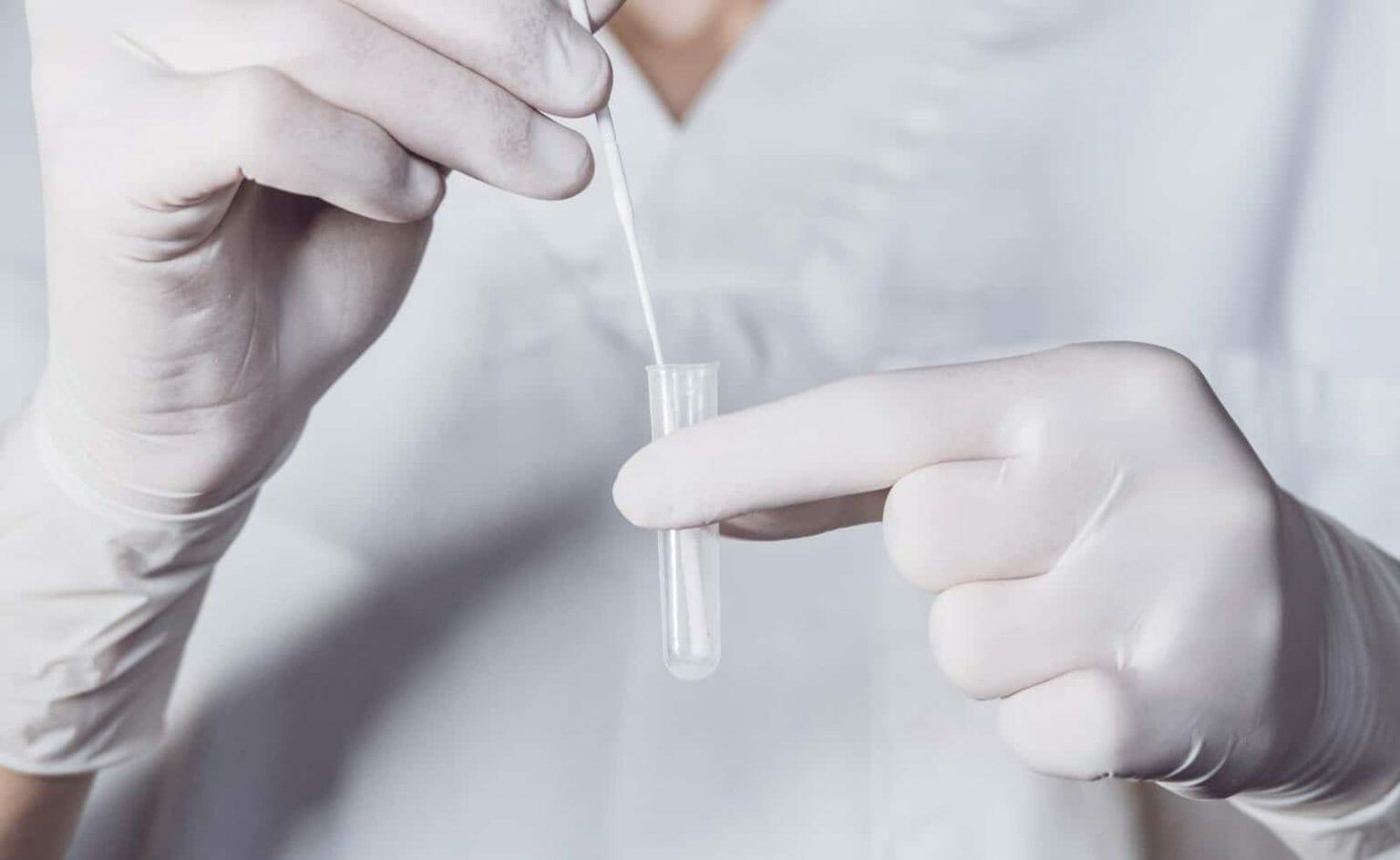
Male reproductive health plays a significant role in conception, yet fertility concerns are not always easy to recognize. A man may feel healthy, have a normal sex drive, and experience no noticeable symptoms while still having problems with sperm production or quality. This is why a male fertility test can be an important step toward understanding reproductive function and identifying possible barriers to pregnancy.
Different Male Fertility Test in Dubai examine different aspects of male reproductive health. Some evaluate sperm count and movement, while others investigate hormone levels, testicular function, genetic conditions, or structural abnormalities. Knowing what each test reveals can help you understand your results and prepare for a conversation with a healthcare professional.
In this guide, we explore the most common types of male fertility tests, what they measure, when doctors recommend them, and how the findings can influence treatment decisions.
Understanding Male Fertility Testing: What Does It Actually Measure?
A male fertility test is a medical investigation used to assess a man's reproductive potential and identify conditions that may affect his ability to father a child.
The evaluation usually begins with a semen analysis, which provides information about sperm concentration, motility, morphology, and semen volume. Depending on the results and medical history, additional investigations may be necessary to examine hormonal balance, reproductive anatomy, or genetic factors.
No single test can measure every aspect of fertility. Instead, doctors combine laboratory results with a medical history, physical examination, and information about the couple's experience trying to conceive.
Male fertility testing may be recommended after prolonged difficulty conceiving, following certain medical treatments, or when symptoms suggest a reproductive health problem. The goal is to identify relevant causes and determine whether treatment or further investigation is needed.
Semen Analysis: The Foundation of Male Fertility Testing
A semen analysis is usually the first test recommended when investigating male infertility. It involves examining a semen sample in a laboratory to assess characteristics associated with reproductive potential.
Sperm Concentration and Total Sperm Count
Sperm concentration measures the number of sperm present in each milliliter of semen, while total sperm count measures the number of sperm in the entire ejaculate.
A lower-than-expected concentration is called oligozoospermia. If no sperm are detected in the sample, the condition is known as azoospermia, which requires further evaluation to determine the cause.
These measurements can provide clues about sperm production, but they do not independently determine whether natural conception is possible.
Sperm Motility: How Effectively Sperm Move
Sperm motility describes the ability of sperm to move. Laboratories distinguish between progressive motility, in which sperm move forward, and other forms of movement.
Effective forward movement helps sperm travel through the female reproductive tract toward an egg. Reduced motility may lower the probability of conception, although its significance depends on the complete semen analysis.
Sperm Morphology: Examining Sperm Shape
Morphology refers to the size and shape of sperm, including the head, middle section, and tail.
Abnormal morphology may be associated with reduced fertility in some circumstances. However, sperm shape must be interpreted alongside sperm concentration, motility, and other clinical findings. A low morphology result alone does not prove infertility.
Semen Volume and Other Characteristics
The laboratory also measures semen volume and may evaluate additional characteristics, such as sperm vitality when indicated.
Low semen volume can sometimes be associated with incomplete collection, hormonal problems, or reproductive tract abnormalities. Additional investigation may be appropriate if the finding is persistent or accompanied by other abnormalities.
Hormone Blood Tests: Investigating the Signals Behind Sperm Production
Hormones regulate sperm production and testicular function. When semen analysis results are abnormal or symptoms suggest a hormonal disorder, a doctor may recommend blood tests.
Common investigations include:
-
Follicle-stimulating hormone (FSH): Helps regulate sperm production within the testicles.
-
Luteinizing hormone (LH): Stimulates the testicles to produce testosterone.
-
Total testosterone: Measures the primary male sex hormone involved in reproductive and sexual function.
-
Prolactin: May be measured when symptoms or other findings suggest elevated prolactin levels.
-
Estradiol: May be assessed in selected cases involving suspected hormonal imbalance.
The pattern of hormone results can help a clinician distinguish between different possible causes of impaired sperm production.
For example, elevated FSH may suggest reduced sperm-producing function in the testicles, while low testosterone accompanied by low or inappropriately normal LH may point toward a problem involving the hypothalamus or pituitary gland.
Hormone testing is not required for every man. The doctor decides which measurements are useful based on the medical history, physical examination, and semen analysis.
Men planning to conceive should also discuss testosterone replacement therapy with their healthcare provider. External testosterone can suppress the hormonal signals necessary for sperm production and may significantly reduce sperm count.
Physical Examination: Checking the Male Reproductive System
A reproductive health examination provides information that laboratory testing alone cannot supply.
During the examination, a healthcare professional may assess testicular size, position, and consistency, as well as other features of the reproductive system. The clinician may also look for a varicocele, which is an enlargement of veins within the scrotum.
Varicocele is associated with impaired fertility in some men, although not every varicocele requires treatment.
The examination may reveal signs of previous testicular injury, undescended testicles, or other structural conditions. These findings can help determine whether additional investigations are necessary.
A physical examination is particularly useful when semen analysis results are abnormal or the medical history suggests a reproductive problem.
Scrotal Ultrasound: Looking for Structural Problems
A scrotal ultrasound uses sound waves to produce images of the testicles and surrounding structures. It may be recommended when a physical examination identifies a lump, swelling, or another concern that requires further assessment.
Ultrasound can help evaluate testicular abnormalities and selected cases of suspected varicocele or other structural problems.
However, scrotal ultrasound is not routinely required for every man undergoing a fertility evaluation. It is most useful when the clinical findings suggest that imaging could clarify a diagnosis or influence treatment.
Genetic Testing: Exploring Inherited Causes of Male Infertility
Genetic conditions can affect sperm production, testicular development, or the structures responsible for transporting sperm.
When sperm counts are extremely low or no sperm are detected, a specialist may recommend genetic investigations.
Karyotype Testing
A karyotype examines the number and structure of chromosomes. It may identify chromosomal abnormalities associated with impaired sperm production, including certain sex chromosome conditions.
Y-Chromosome Microdeletion Testing
This test looks for missing sections of the Y chromosome that can interfere with sperm production. It may be recommended in selected men with severe sperm production problems.
CFTR Gene Testing
CFTR gene testing may be considered when a man has congenital absence of the vas deferens, the tubes that transport sperm from the testicles toward the urethra, or a related reproductive tract abnormality.
Genetic test results can influence treatment decisions and may have implications for biological children. Genetic counseling can help individuals and couples understand these findings before pursuing assisted reproductive treatment.
Sperm DNA Fragmentation Testing: Examining Genetic Material Within Sperm
A conventional semen analysis evaluates sperm concentration, movement, and shape, but it does not directly measure the integrity of sperm DNA.
Sperm DNA fragmentation testing assesses damage to the genetic material carried by sperm. It may be considered in selected circumstances, such as certain cases of unexplained infertility or recurrent pregnancy loss, depending on the specialist's assessment.
However, this test is not routinely recommended as the initial investigation for every man with fertility concerns. Its clinical usefulness depends on the circumstances, and results do not always lead to a clear change in treatment.
A specialist can explain whether this additional investigation is appropriate and how the findings should be interpreted.
Specialized Tests for Ejaculation and Reproductive Tract Problems:
Some men produce sperm normally but experience problems with ejaculation or sperm transport.
For example, post-ejaculatory urine testing may be considered when retrograde ejaculation is suspected. In this condition, semen enters the bladder instead of leaving the body through the urethra during ejaculation.
Other investigations may be used when a reproductive tract obstruction is suspected or when the semen analysis shows unusual findings that require clarification.
These tests are selected according to the suspected problem rather than being included automatically in every fertility assessment.
How Do Doctors Choose the Right Male Fertility Test?
The most appropriate test depends on the symptoms, medical history, physical examination, and initial laboratory results.
| Test type | What it evaluates | When it may be recommended |
|---|---|---|
| Semen analysis | Sperm count, motility, morphology, and semen characteristics | Initial infertility evaluation |
| Hormone blood tests | Testosterone and reproductive hormone regulation | Abnormal semen results or suspected hormonal disorder |
| Physical examination | Testicular health and reproductive anatomy | Initial assessment and targeted investigation |
| Scrotal ultrasound | Testicular and scrotal structures | Suspected structural abnormalities |
| Genetic testing | Chromosomal or specific inherited conditions | Selected cases of severe sperm production problems |
| Sperm DNA fragmentation | Integrity of sperm genetic material | Selected clinical situations |
| Post-ejaculatory urine testing | Possible retrograde ejaculation | Specific ejaculation-related concerns |
Not every man needs every investigation. A targeted approach helps avoid unnecessary testing while focusing on findings that could change medical management.
What Do Abnormal Male Fertility Test Results Mean?
An abnormal result does not automatically mean that a man cannot father a child. Fertility depends on multiple factors, and semen parameters naturally vary between samples.
The World Health Organization's sixth edition semen laboratory manual reports lower fifth-percentile reference values among men whose partners conceived naturally. Commonly cited values include a sperm concentration of 16 million per milliliter, total sperm motility of 42%, and normal sperm morphology of 4%.
These figures are reference values rather than strict boundaries between fertility and infertility.
When a semen analysis is abnormal, the doctor may recommend repeating the test and investigating possible causes. Treatment may involve addressing an underlying medical condition, managing a suitable varicocele, or considering assisted reproductive techniques such as in vitro fertilization or intracytoplasmic sperm injection.
Lifestyle measures, including avoiding smoking, maintaining a healthy weight, and limiting excessive alcohol consumption, may support reproductive health. However, treatment should be based on the identified cause rather than assumptions about lifestyle alone.
When Should You Consider a Male Fertility Evaluation?
Couples are generally advised to seek an infertility evaluation after 12 months of trying to conceive without success, or after six months when the female partner is 35 or older.
Earlier assessment may be appropriate when either partner has known fertility risk factors.
Men should consider seeking advice sooner if they have a history of undescended testicles, testicular injury, reproductive surgery, chemotherapy, or symptoms suggesting hormonal or reproductive problems.
A new testicular lump or persistent swelling warrants medical assessment. Sudden, severe testicular pain requires emergency evaluation.
Conclusion:
Male fertility Lab tests involves more than measuring sperm count. Semen analysis provides the foundation for most evaluations, while hormone blood tests, physical examinations, ultrasound, genetic investigations, and specialized tests can reveal additional information when clinically necessary.
Each test answers a different question about reproductive health. Understanding its purpose helps you approach the evaluation with realistic expectations and make informed decisions about your next steps.
If you are experiencing difficulty conceiving or have concerns about sperm health, consult a qualified healthcare professional. A personalized fertility assessment can help identify potential problems, clarify treatment options, and support your family planning goals.

 English
 French
 Spanish
 Portuguese
 Deutsch
 Turkish
 Dutch
 Italiano
 Russian
 Romaian
 Portuguese (Brazil)
 Greek