


Wound Dressing at Home for Patients Recovering From Orthopedic Procedures
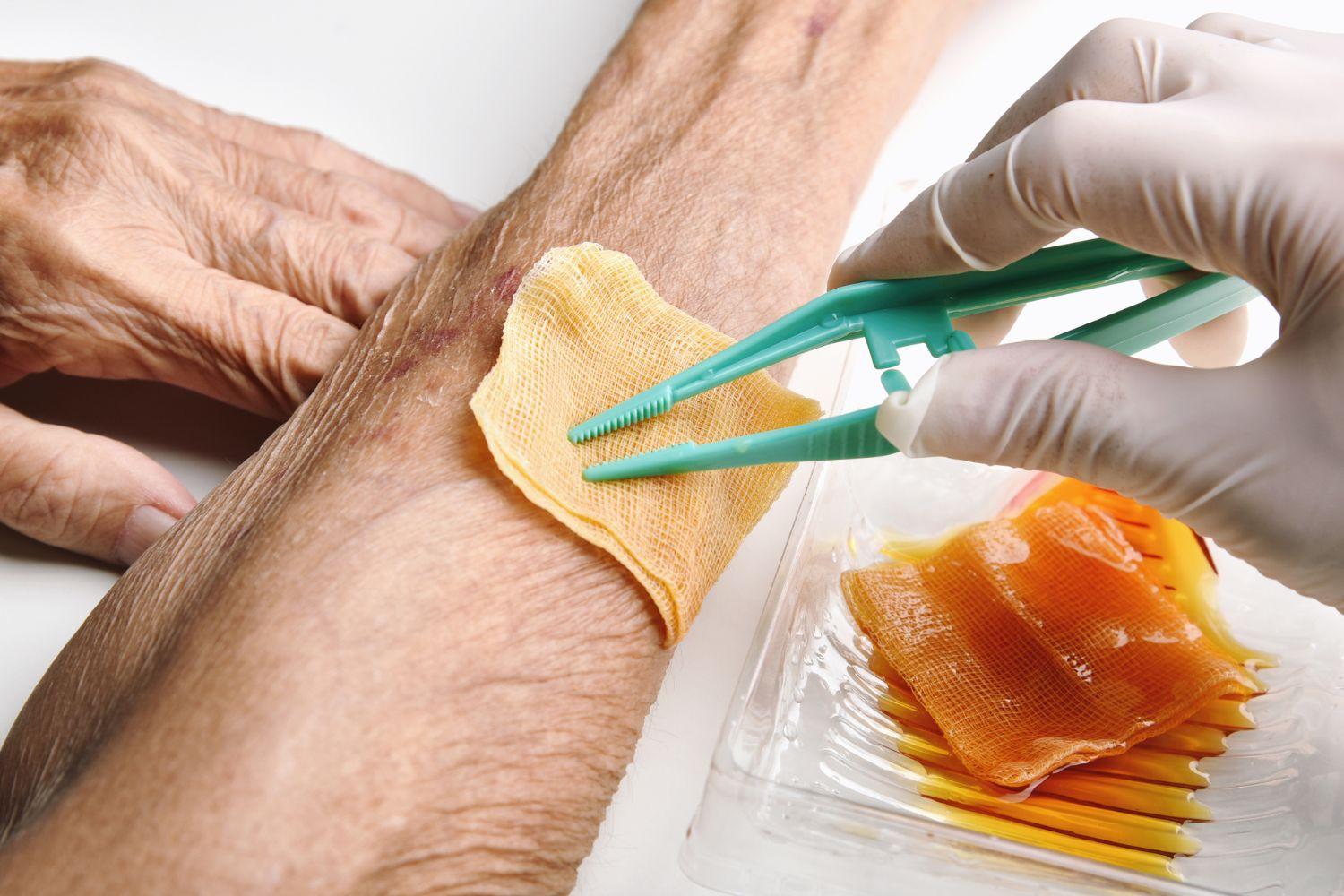
Recovering from orthopedic surgery requires careful attention to the surgical incision, dressing, mobility, and overall health. Wound Dressing at Home in Dubai provides patients with a convenient way to receive professional wound care after procedures such as joint replacement, fracture repair, and other orthopedic operations. With support from qualified nurses or a Doctor at Home, patients can follow their prescribed dressing plan while recovering in a familiar environment. Proper wound care helps protect the incision, reduce contamination risks, and identify potential complications early. Although healing times vary according to the procedure and individual health, consistent care and timely follow-up can support a safer recovery and help patients manage postoperative care more confidently.
Understanding Wound Care After Orthopedic Surgery:
Orthopedic procedures may involve incisions near joints, bones, muscles, and other supporting tissues. Depending on the operation, patients may have stitches, staples, adhesive strips, or other methods used to close the incision. The surgical team provides specific instructions about dressing changes, bathing, activity restrictions, and follow-up appointments. These instructions should always take priority over general wound care advice because different procedures require different precautions. Patients should avoid removing surgical dressings, disturbing stitches, or applying creams and antiseptics unless instructed by their treating clinician. Professional wound care is especially helpful for patients who have limited mobility, difficulty reaching the surgical site, or additional health conditions that may affect healing. Following an individualized plan helps protect the incision while recovery progresses.
Why Professional Wound Dressing at Home Matters:
After orthopedic surgery, travelling to a clinic for every dressing review may be difficult because of pain, movement restrictions, or the need for mobility aids. Home-based wound care can provide support without unnecessary travel, helping eligible patients maintain their prescribed treatment routine. A qualified nurse can inspect the dressing, follow the surgeon's instructions, assess visible changes around the incision, and explain how to protect the wound between visits. Professional support can be particularly valuable for older adults and patients recovering from hip, knee, shoulder, or fracture-related procedures. However, a home dressing visit does not replace the surgeon's review, rehabilitation appointments, or emergency care when needed. The purpose is to support the postoperative plan and ensure that concerns are communicated to the appropriate healthcare professional promptly.
Preparing for a Safe Postoperative Dressing Change:
Preparation helps make a dressing change more organized and comfortable for a patient recovering from orthopedic surgery. The patient should be positioned safely, with the operated area supported according to the discharge instructions and movement restrictions. The nurse will prepare the recommended supplies and follow appropriate hand hygiene and wound care procedures. Before the visit, patients or caregivers should gather the discharge summary, current medication list, allergy information, and written instructions from the surgical team. It is also helpful to explain any changes in pain, swelling, drainage, or mobility since the previous assessment. Important preparation steps include:
-
Keep the surgeon's wound care instructions accessible.
-
Explain any known allergies to adhesives or dressing materials.
-
Report changes in the incision or surrounding skin.
-
Ensure the patient is comfortably positioned without stressing the operated area.
-
Confirm the recommended timing for dressing changes and follow-up visits.
Patients should not attempt to remove surgical packing, drains, stitches, or staples unless specifically instructed by the responsible clinician.
Recognizing Signs of Normal Healing and Possible Complications:
During recovery, the appearance of a surgical incision may change as the tissue heals, and some mild tenderness or localized swelling can occur. However, patients should not assume that every change is normal, particularly if symptoms are worsening rather than gradually improving. Increasing redness, warmth, swelling, pain, pus, wound separation, or a new unpleasant odour may indicate a complication requiring medical assessment. Fever or feeling unusually unwell can also be concerning. Patients should report these changes promptly to the surgical team or healthcare professional. Heavy bleeding that does not stop with firm, continuous pressure, rapidly worsening symptoms, or signs of serious illness require urgent medical attention. A dressing change alone may not address the underlying problem, so early assessment is important when an incision deteriorates or healing does not progress as expected.
Keeping the Surgical Dressing Clean and Secure:
Maintaining the dressing according to the surgeon's instructions helps protect the incision from contamination and unnecessary friction. Patients should avoid handling or removing a clean, intact dressing simply to check the wound unless the surgical team has instructed them to do so. If the dressing becomes wet, loose, dirty, or saturated, follow the postoperative instructions or contact a healthcare professional for guidance. Do not apply extra tape, household adhesives, creams, powders, or antiseptics without approval, as these may irritate the skin or interfere with the prescribed care plan. Bathing instructions differ between procedures and dressing types, so patients should confirm whether showering is permitted and how the area should be protected. Caregivers should wash their hands before and after any permitted dressing care and avoid touching the incision unnecessarily.
Managing Pain, Swelling, and Mobility During Recovery:
Pain and swelling can affect movement after orthopedic surgery, making it important to follow the recovery plan provided by the surgeon and rehabilitation team. Patients should take prescribed medicines according to their instructions and ask a healthcare professional before adding non-prescription pain relievers or supplements. Elevation, cold therapy, and movement exercises may be recommended for certain procedures, but their use depends on the operation and the patient's circumstances. Avoid placing ice directly on the incision or applying pressure that could disturb the dressing. Patients should follow instructions concerning walking aids, weight-bearing limits, and physiotherapy, as excessive movement or pressure may affect comfort and wound protection. New or rapidly worsening pain, significant swelling, calf pain, or sudden breathing difficulties should never be dismissed; urgent medical assessment may be needed depending on the symptoms.
How Wound Dressing at Home in Dubai Supports Orthopedic Recovery:
Wound Dressing at Home in Dubai can help eligible patients receive regular dressing support after joint replacement, fracture fixation, or other orthopedic procedures. During a home visit, a qualified nurse may assess the visible condition of the incision, follow the prescribed dressing plan, document observations, and communicate concerns to the treating clinician. This support may be especially useful for patients who have difficulty travelling while using crutches, walkers, or wheelchairs. Patients should confirm the healthcare provider's qualifications and clarify how urgent concerns will be handled between visits. Before each appointment, keep a record of changes in the incision, temperature if advised, medication concerns, and any unexpected symptoms. Home nursing complements the surgical team's care and does not replace necessary orthopedic reviews, imaging, rehabilitation, or emergency treatment.
Supporting Healing Through Nutrition and Daily Care:
A patient's general health can influence recovery after orthopedic surgery. Adequate nutrition, sufficient protein, and appropriate hydration support normal tissue repair, although individual needs may differ because of other medical conditions or dietary restrictions. Patients should follow the advice of their healthcare team, particularly if they have diabetes, kidney disease, or another condition requiring a specific diet. Avoid smoking where possible because it can impair healing, and follow instructions about activity, rest, and wound protection. Caregivers can help by arranging a clean recovery area, keeping essential supplies within safe reach, and ensuring the patient follows movement precautions. Patients should attend recommended follow-up appointments even when the incision appears to be healing well, as some postoperative complications may not be obvious from the dressing alone.
Maintaining Follow-Up With the Orthopedic Team:
Regular follow-up allows the surgical team to evaluate the incision and assess overall recovery. Depending on the procedure, appointments may involve checking the wound, removing stitches or staples when appropriate, reviewing pain and mobility, and adjusting rehabilitation recommendations. Patients should keep these appointments and report problems between visits rather than waiting for a scheduled review. It can be helpful to prepare questions about dressing changes, bathing, activity restrictions, medication, and warning signs. If a home nurse notices concerning changes, the findings should be communicated to the responsible clinician so that further assessment can be arranged. Patients should never remove closure materials or change prescribed wound care independently. Coordinated care between the patient, caregiver, nurse, surgeon, and rehabilitation team can help support recovery and address problems promptly.
Final Thoughts
Wound dressing is an important part of recovery after orthopedic procedures because it helps protect the incision and allows changes to be monitored. Following the surgeon's instructions, maintaining appropriate dressing care, recognizing warning signs, and attending follow-up appointments are essential steps. Wound Dressing at Home in Dubai can provide convenient professional support for eligible patients who need postoperative dressing care while recovering at home. However, worsening pain, increasing redness, unusual drainage, fever, or wound separation should be reported promptly, and serious symptoms require urgent medical assessment. With an individualized care plan and good communication between patients and healthcare professionals, wound care can become a more manageable part of the orthopedic recovery process.

 English
 Arabic
 French
 Spanish
 Portuguese
 Turkish
 Dutch
 Italiano
 Russian
 Romaian
 Portuguese (Brazil)
 Greek