


Can a Pediatric Dentist Help Children Overcome Dental Fear?
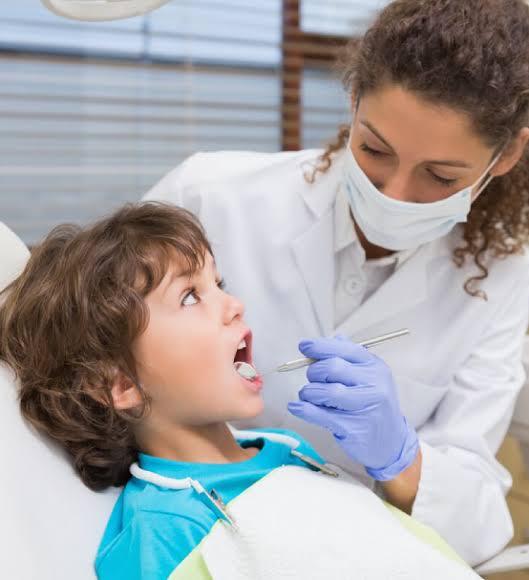
What Is a Pediatric Dentist?
A pediatric dentist is a dental professional who focuses on children's oral health, from infancy through adolescence. These professionals receive specialized training to understand how children's teeth, gums, and jaws develop over time.
Unlike general dental care, pediatric dentistry considers a child's age, emotional development, dental habits, and individual treatment needs. Pediatric dentists also help children who feel nervous about dental visits by explaining procedures in simple language and creating a welcoming environment.
Regular visits can help establish healthy habits early, reducing the risk of cavities, gum problems, and other oral health concerns as children grow.
Essential Services Provided by Pediatric Dentists
Pediatric dentistry covers a wide range of services designed to protect developing teeth and address common childhood dental problems.
1. Routine Dental Checkups and Examinations
Regular dental examinations allow the dentist to monitor tooth development and identify potential problems before they become more complicated.
During a checkup, the dentist may examine the teeth, gums, bite alignment, and jaw development. They can also look for early signs of tooth decay, enamel defects, or other concerns.
These appointments give parents an opportunity to discuss their child's brushing routine, diet, thumb-sucking habits, and other factors that may affect oral health.
2. Professional Teeth Cleaning
Even children who brush every day can develop plaque in areas that are difficult to reach. Professional cleaning removes plaque and hardened deposits that regular brushing may not eliminate.
A pediatric dentist or dental hygienist can gently clean the teeth and explain proper brushing and flossing techniques.
Professional cleaning also helps children become familiar with dental instruments and procedures, making future visits less intimidating.
3. Fluoride Treatments and Dental Sealants
Preventive treatments are an important part of pediatric dentistry because children's teeth can be vulnerable to cavities.
-
Fluoride treatments: Fluoride strengthens tooth enamel and helps protect against decay. The dentist recommends an appropriate application based on the child's age and cavity risk.
-
Dental sealants: These protective coatings cover the grooves of back teeth, where food particles and bacteria can collect.
Both treatments can reduce the risk of tooth decay when combined with good oral hygiene and regular checkups.
4. Cavity Treatment and Dental Fillings
Cavities are common in childhood, particularly when children frequently consume sugary snacks or drinks or struggle with consistent brushing.
A pediatric dentist can identify tooth decay and recommend suitable treatment. Depending on the severity, this may involve a filling, a crown, or another procedure.
Treating cavities promptly helps prevent pain, infection, and damage to the affected tooth. Although baby teeth eventually fall out, they remain important for chewing, speech development, and maintaining space for permanent teeth.
Additional Treatments for Children's Dental Needs
5. Early Orthodontic Assessment
The position of a child's teeth and the development of their jaws can influence their bite and long-term oral health.
Pediatric dentists monitor these changes and may identify concerns such as crowded teeth, crossbites, or irregular jaw growth. When necessary, they can recommend an orthodontic evaluation.
Early assessment does not mean every child needs braces. Instead, it helps determine whether monitoring, preventive guidance, or timely orthodontic treatment may be beneficial.
6. Dental Emergency Care
Children are naturally active, and accidents during sports, play, or everyday activities can damage their teeth.
Pediatric dentists can assess chipped, fractured, displaced, or knocked-out teeth and provide appropriate treatment. They can also evaluate toothaches, swelling, and signs of dental infection.
Parents should seek urgent dental advice when a child experiences significant pain, facial swelling, or a dental injury. A knocked-out permanent tooth requires immediate attention, as prompt treatment may improve the chance of saving it.
7. Habit Counseling and Oral Development Guidance
Habits such as prolonged thumb-sucking, pacifier use, and mouth breathing may affect oral development in some children.
Pediatric dentists can help parents understand when these habits may become a concern and suggest age-appropriate ways to manage them. They also provide guidance about teething, nutrition, bottle-feeding practices, and the transition to independent brushing.
This personalized advice helps families build routines that support healthy teeth and gums.
When Should Your Child Visit a Pediatric Dentist?
The first dental visit should generally take place when the first tooth appears or by the child's first birthday, whichever comes first.
After the initial appointment, the dentist can recommend a suitable checkup schedule based on the child's oral health and individual risk factors. Some children may need more frequent visits because of cavities or other concerns.
Parents should also arrange an appointment if they notice persistent bad breath, bleeding gums, tooth sensitivity, visible discoloration, or difficulty chewing.
How to Prepare Your Child for a Dental Visit
A positive first experience can shape how children feel about dental care for years to come. Explain the visit using simple, reassuring words and avoid describing procedures in frightening terms.
Reading a children's book about dental visits or playing pretend dentist at home can help reduce uncertainty. Choose an appointment time when your child is usually rested, and praise their cooperation afterward.
Most importantly, stay calm and encourage questions so your child feels supported throughout the experience.
Conclusion
A pediatric dentist provides much more than basic dental checkups. From professional cleaning and cavity treatment to preventive care, emergency services, and developmental assessments, these professionals help children maintain healthy smiles at every stage of growth.
Starting dental visits early allows potential problems to be identified promptly while helping children develop lifelong oral hygiene habits. With regular examinations, appropriate preventive treatments, and consistent care at home, parents can give their children a strong foundation for healthier teeth and greater confidence as they grow.

 English
 Arabic
 French
 Spanish
 Portuguese
 Deutsch
 Turkish
 Italiano
 Russian
 Romaian
 Portuguese (Brazil)
 Greek