


How Long Does an HIV Blood Test Take to Show Positive Results?
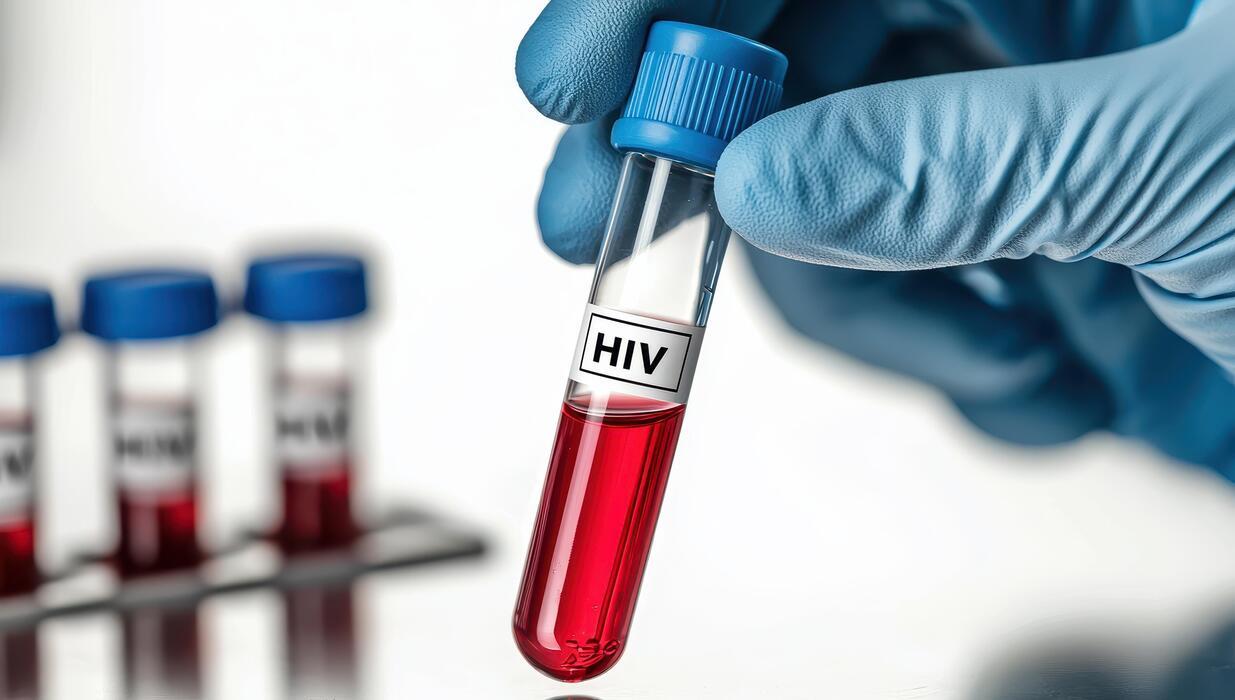
If you have recently experienced a possible HIV exposure, you may be wondering how long it takes for an HIV blood test to show a positive result. Understanding the timing can help you choose the right test, interpret your results correctly, and avoid unnecessary uncertainty.
An HIV Blood Test in Dubai cannot always detect infection immediately after exposure. The time required depends on the type of test, the biological markers it detects, and whether enough time has passed for those markers to become detectable. This period is known as the HIV testing window period.
In this guide, we explain when HIV can be detected, how different blood tests work, what a positive or negative result means, and when repeat testing may be necessary.
The Short Answer: When Can an HIV Blood Test Turn Positive?
An HIV test may detect infection within days to several weeks after exposure, depending on the testing method. Some tests can identify HIV earlier than others, but no test can reliably detect every infection immediately.
According to commonly used guidance from the Centers for Disease Control and Prevention (CDC), the typical detection windows are:
| HIV test type | Typical time to detect HIV after exposure |
|---|---|
| Nucleic acid test (NAT) | 10–33 days |
| Laboratory fourth-generation antigen and antibody test using venous blood | 18–45 days |
| Rapid antigen and antibody test using finger-prick blood | 18–90 days |
| Antibody-only test | 23–90 days |
These are typical ranges, not exact deadlines for every individual. A test may become positive earlier within its window period, but a negative result during that period may not rule out infection.
The most suitable testing schedule depends on the type of test, your exposure history, and whether you have used HIV prevention medication.
Why Does HIV Take Time to Show Up in a Blood Test?
After HIV enters the body, it begins replicating. However, the biological markers used by HIV tests do not become detectable at the same time.
Different tests look for different evidence of infection.
HIV RNA: The Virus's Genetic Material
An HIV nucleic acid test looks for the virus's genetic material, commonly called HIV RNA. Because it detects the virus itself rather than waiting for an antibody response, it can identify some infections earlier than other testing methods.
This test may be recommended when a recent infection is suspected, when symptoms raise concern for acute HIV infection, or when other test results require clarification.
P24 Antigen: An Early Marker of Infection
The p24 antigen is a protein associated with HIV that can become detectable before antibodies are fully developed.
Fourth-generation HIV tests look for both p24 antigen and HIV antibodies. Detecting these two markers allows many infections to be identified earlier than with antibody-only testing.
HIV Antibodies: The Immune Response
Antibodies are proteins produced by the immune system in response to HIV. It takes time for the body to produce enough antibodies for a test to detect them.
Antibody-only tests may therefore have a longer window period than laboratory-based fourth-generation tests.
This difference explains why two people tested on the same day after exposure could receive different results depending on which tests they use.
How Long Should You Wait Before Taking an HIV Blood Test?
You do not necessarily need to wait before seeking medical care. In fact, early medical assessment can be important after a possible exposure. The key is understanding what a test taken at each stage can tell you.
Immediately After a Possible Exposure
A healthcare professional may recommend a baseline HIV test to establish your status at the time of assessment.
However, a negative test immediately after exposure cannot rule out infection acquired during that recent event because the relevant markers may not yet be detectable.
If a possible HIV exposure occurred within the past 72 hours, seek urgent medical advice about post-exposure prophylaxis (PEP). PEP is medication that can reduce the risk of acquiring HIV when started as soon as possible and taken as prescribed, usually for 28 days.
Do not delay care while waiting for a test to become positive.
Around 10 to 14 Days After Exposure
An HIV nucleic acid test may detect some infections during this period. Its typical window period begins around 10 days after exposure, but a negative result this early does not conclusively exclude infection.
NAT testing is not required for every person seeking routine screening. A healthcare professional can determine whether it is appropriate based on your circumstances.
Around 18 to 45 Days After Exposure
A laboratory-based fourth-generation HIV antigen and antibody test using blood drawn from a vein has a typical window period of 18 to 45 days.
This is a widely used screening method because it can identify many infections before antibody-only tests become positive.
A negative result before day 45 may still require follow-up. Under CDC guidance, a negative result obtained after the full 45-day window is generally considered conclusive for that exposure when there has been no subsequent exposure and no circumstances requiring a different testing schedule.
Up to 90 Days After Exposure
Some rapid antigen and antibody tests using finger-prick blood have a window period extending to 90 days. Antibody-only tests may also require up to 90 days to detect infection reliably.
If you used one of these tests, ask the provider when the result can be considered conclusive for your specific test.
Does a Positive HIV Test Mean Infection Happened Recently?
No. A positive HIV test does not usually reveal exactly when infection occurred.
The test may identify an infection acquired weeks, months, or longer before testing. Even when an HIV RNA test detects infection early, interpreting the timing requires clinical information and sometimes additional laboratory investigations.
If a screening test is reactive, further testing is generally needed to confirm the diagnosis. Depending on the initial result, this may involve an HIV-1/HIV-2 antibody differentiation test and, when indicated, an HIV nucleic acid test.
A reactive screening result should not be treated as a confirmed diagnosis without following the recommended testing process.
What If Your HIV Blood Test Is Negative?
A negative result means the test did not detect the markers of HIV infection it was designed to identify. Whether it reliably excludes infection depends on the test's window period and your exposure history.
For example, a negative result obtained five days after a possible exposure is too early to rule out infection from that event. A negative laboratory fourth-generation test obtained after its full window period is much more informative.
You may need repeat testing if:
-
Your first test was performed during the window period.
-
You have had another possible exposure since testing.
-
You used PEP or PrEP and your provider recommends a specific follow-up schedule.
-
Your healthcare professional has concerns about early infection or conflicting test results.
Avoid repeatedly testing at very short intervals without a clear plan. A healthcare professional can help establish a schedule that provides meaningful results.
Can Symptoms Tell You When an HIV Test Will Become Positive?
Symptoms cannot reliably predict when an HIV blood test will become positive.
Some people develop flu-like symptoms within the first few weeks after infection. These may include fever, sore throat, rash, swollen lymph nodes, fatigue, or muscle aches. Others have no noticeable symptoms.
These signs are not specific to HIV and can occur with many other illnesses. Some people living with HIV feel healthy for years without treatment.
If you develop symptoms after a possible exposure, tell your healthcare professional when the exposure occurred. They can assess whether early HIV testing, including an HIV RNA test, is appropriate.
Do not rely on symptoms or their absence to determine your HIV status.
Can PEP or PrEP Affect HIV Test Timing?
Yes. If you have taken PEP after a possible exposure or use PrEP to prevent HIV, your healthcare provider may recommend a different testing schedule.
These medications can affect the development or detection of infection, so standard window-period estimates may not be sufficient on their own.
After PEP, follow the testing schedule provided by the clinician who prescribed or assessed the medication. Do not stop or change prescribed medication without medical advice.
If you use PrEP, tell your healthcare provider before testing. Regular HIV testing is an important part of safe PrEP use.
How to Get the Most Reliable HIV Test Result?
You can improve the usefulness of your test by taking a few practical steps.
Choose an appropriate test. Ask whether the service offers a laboratory fourth-generation test, a rapid test, or an HIV nucleic acid test.
Know the exposure date. This helps your provider determine whether the test falls within the relevant window period.
Use a reputable testing service. Qualified healthcare providers and established laboratories can explain the testing process and arrange follow-up when necessary.
Discuss medications. Mention any use of PEP, PrEP, or other relevant treatments.
Complete recommended follow-up. A negative early result or a reactive screening result may require additional testing before a reliable conclusion can be reached.
Most HIV blood tests do not require fasting. Follow any specific instructions from the testing facility.
Frequently Asked Questions About HIV Test Timing:
Can an HIV test be positive after seven days?
Some infections may not yet be detectable after seven days. A nucleic acid test can detect HIV earlier than many other tests, but its typical detection window begins around 10 days. A negative result at seven days cannot rule out infection.
Can HIV be detected after 14 days?
An HIV nucleic acid test may detect infection around this time, but a negative result is not definitive. Follow-up testing with an appropriate test may be necessary.
Is a fourth-generation HIV test accurate after 30 days?
A negative result after 30 days is reassuring, but day 30 falls within the test's typical 18-to-45-day window. Your provider can advise whether repeat testing is needed.
Is an HIV blood test conclusive after 45 days?
A negative laboratory fourth-generation test using venous blood is generally considered conclusive after 45 days under CDC guidance, provided there has been no further exposure and no factors such as PEP or PrEP that require a different schedule.
Does a positive HIV result appear immediately after infection?
No. Different tests detect infection at different stages. HIV must reach detectable levels for the specific test to identify it, which is why the window period matters.
Final Thoughts:
How long an HIV blood Lab tests takes to show a positive result depends on the testing method. A nucleic acid test can detect some infections from approximately 10 days after exposure, a laboratory fourth-generation test typically has an 18-to-45-day window, and some rapid or antibody-only tests may require up to 90 days.
A negative result obtained too early may not rule out infection, while a reactive screening result needs the recommended confirmatory testing. If a possible exposure occurred within the past 72 hours, seek urgent medical advice about PEP rather than waiting for a test result.
For the most reliable answer, choose the appropriate HIV test with a qualified healthcare professional, share relevant information about your exposure and medications, and complete any recommended follow-up testing. Accurate timing and timely care can help you understand your HIV status and make informed decisions about your health.

 English
 Arabic
 French
 Spanish
 Portuguese
 Turkish
 Dutch
 Italiano
 Russian
 Romaian
 Portuguese (Brazil)
 Greek