


What to Expect During Your Scalp Micropigmentation Treatment
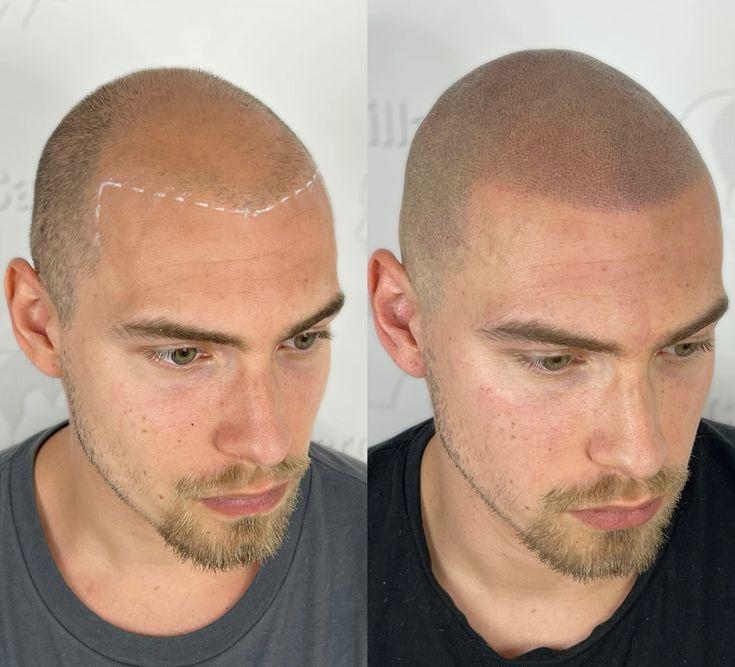
Hair thinning, bald spots, and a receding hairline can affect a person's appearance and confidence. For individuals seeking a non-surgical cosmetic option, scalp micropigmentation offers a way to make selected areas look fuller without transplanting hair follicles. Scalp Micropigmentation in Islamabad is a cosmetic procedure that uses tiny pigment deposits to imitate the appearance of hair follicles and create a more balanced-looking scalp.
Knowing what happens before, during, and after treatment can help you prepare and understand the likely outcome. Although the procedure does not restore natural hair growth, it may reduce the visibility of thinning areas when performed by a qualified practitioner.
Understanding Scalp Micropigmentation
Scalp micropigmentation, commonly known as SMP, involves placing small amounts of pigment into the scalp using specialized equipment. The pigment creates tiny marks that resemble hair follicles or provides subtle shading in areas where the scalp is visible.
The treatment may be considered by people with thinning hair, a receding hairline, pattern baldness, or certain scalp scars. The approach is customized according to hair colour, skin tone, existing hair, and personal preferences.
Unlike a hair transplant, SMP does not move follicles from one area to another. It also does not stop hair loss or stimulate new growth. Its purpose is to create a cosmetic illusion of greater density or a closely shaved hairstyle.
Your Initial Consultation
Your experience usually begins with a consultation. During this appointment, the practitioner discusses your concerns, preferred hairstyle, treatment goals, and expectations.
They assess the scalp and review relevant medical history to determine whether the procedure is appropriate. Be sure to mention any scalp conditions, allergies, previous procedures, and medications that may affect treatment.
If you have sudden, unexplained, or spreading hair loss, seek medical advice before proceeding. Identifying the cause is important because SMP will not treat an underlying medical condition.
A responsible practitioner should also explain possible complications, estimated costs, maintenance requirements, and the likely number of sessions.
Planning Your Hairline and Treatment Area
Once suitability has been established, the practitioner plans the areas to be treated. Some people want to make thinning around the crown less noticeable, while others focus on a receding hairline or a closely shaved appearance.
Hairline design is particularly important because an overly low, straight, or sharply defined line may look unnatural. A personalized plan should consider facial proportions, age, existing hair, and the possibility of future hair loss.
You should have an opportunity to review the proposed design and ask for clarification before treatment begins. This discussion helps ensure that your expectations are realistic.
Selecting the Appropriate Pigment
Pigment colour and placement influence how natural the final result appears. The practitioner considers your hair colour, skin tone, and the density of your existing hair when selecting a suitable shade.
The goal is to create a balanced appearance rather than a harsh contrast between the treated area and surrounding hair. Pigment applied too densely or in an unsuitable colour may look artificial.
Before undergoing Scalp Micropigmentation in Islamabad, ask about pigment quality, possible fading, and the risk of colour changes over time. Your practitioner should explain how these factors may affect the long-term appearance.
What Happens During the Treatment?
During the session, the practitioner uses specialized equipment to apply tiny pigment deposits to the selected areas. Each deposit is positioned carefully to imitate the visual appearance of a hair follicle or provide subtle scalp shading.
The practitioner works according to the agreed design, paying attention to spacing, colour, and the relationship between the treated area and existing hair.
Treatment time varies depending on the size of the area and the level of detail required. Several sessions may be necessary to build the desired appearance gradually. Some people experience discomfort or sensitivity during treatment, so discuss available comfort measures with your practitioner beforehand.
What You May Experience After Treatment
Temporary redness, tenderness, or mild sensitivity can occur after a session. The treated scalp needs time to heal, and the pigment's appearance may change as recovery progresses.
Your practitioner will provide instructions on washing the scalp, avoiding certain activities, and protecting the treated area. Follow these instructions carefully rather than assuming that every treatment plan has the same requirements.
Seek medical advice if you develop worsening pain, spreading redness, pus, fever, or other signs of infection. Although SMP is non-surgical, it involves placing pigment into the skin and carries potential risks.
Recovery and Aftercare
Aftercare is an important part of the treatment process. Depending on your practitioner's instructions, you may need to avoid swimming, heavy sweating, direct sunlight, and washing the treated area for a specified period.
Do not scratch the scalp or apply unapproved products while it heals. Once the practitioner confirms that healing is progressing appropriately, you can gradually return to your normal routine.
Protecting the scalp from excessive sun exposure may help preserve the pigment's appearance. However, aftercare cannot eliminate every risk or guarantee a specific cosmetic outcome.
Understanding Your Results and Maintenance
Scalp micropigmentation can make selected areas look less exposed, create the appearance of a defined hairline, or imitate closely shaved follicles. Results depend on scalp characteristics, pigment application, treatment coverage, and individual expectations.
It is important to remember that SMP does not create real hair or prevent further hair loss. Pigment may fade or change in appearance over time, and some people choose touch-up sessions to maintain their preferred look.
When considering Scalp Micropigmentation in Islamabad, ask about long-term maintenance and any additional costs before agreeing to treatment.
Choosing the Right Practitioner
The practitioner's experience and hygiene standards are essential considerations. Ask about relevant training, infection-control procedures, and experience treating people with similar hair and skin characteristics.
Review healed before-and-after photographs and discuss possible risks, including infection, allergic reactions, scarring, pigment changes, and dissatisfaction with the result. Avoid providers who promise perfect outcomes or claim that SMP will restore natural hair growth.
Conclusion
Knowing what to expect during scalp micropigmentation treatment can help you approach the process with realistic expectations. From consultation and pigment selection to aftercare and maintenance, each stage contributes to the cosmetic result.
Before choosing Scalp Micropigmentation in Islamabad, consult a qualified practitioner, discuss your goals, and understand that the procedure creates the appearance of hair follicles rather than restoring natural hair growth.
Frequently Asked Questions
1. How should I prepare for scalp micropigmentation?
Preparation depends on your scalp condition and the practitioner's instructions. Discuss your medical history, allergies, and medications before treatment. A consultation for Scalp Micropigmentation in Islamabad should include clear guidance on how to prepare safely.
2. How long does a scalp micropigmentation session take?
The duration varies according to the treatment area's size, the detail required, and the practitioner's approach. Several sessions may be needed. Your provider for Scalp Micropigmentation in Islamabad can give you an estimated schedule during the consultation.
3. What does the scalp look like immediately after treatment?
The scalp may appear temporarily red or sensitive, and the pigment's appearance can change during healing. Follow your practitioner's aftercare instructions after Scalp Micropigmentation in Islamabad, and seek medical advice if symptoms worsen or signs of infection develop.
4. Will scalp micropigmentation results last forever?
SMP can last for years, but pigment may gradually fade or change colour. Some people choose maintenance sessions to refresh the result. Before undergoing Scalp Micropigmentation in Islamabad, ask about long-term care, possible touch-ups, and associated costs.
For more information visit
Enfield royal clinic in islamabad

 English
 Arabic
 French
 Spanish
 Portuguese
 Turkish
 Dutch
 Italiano
 Russian
 Romaian
 Portuguese (Brazil)
 Greek