


Estimating Decorative Aggregate for Different Garden Areas
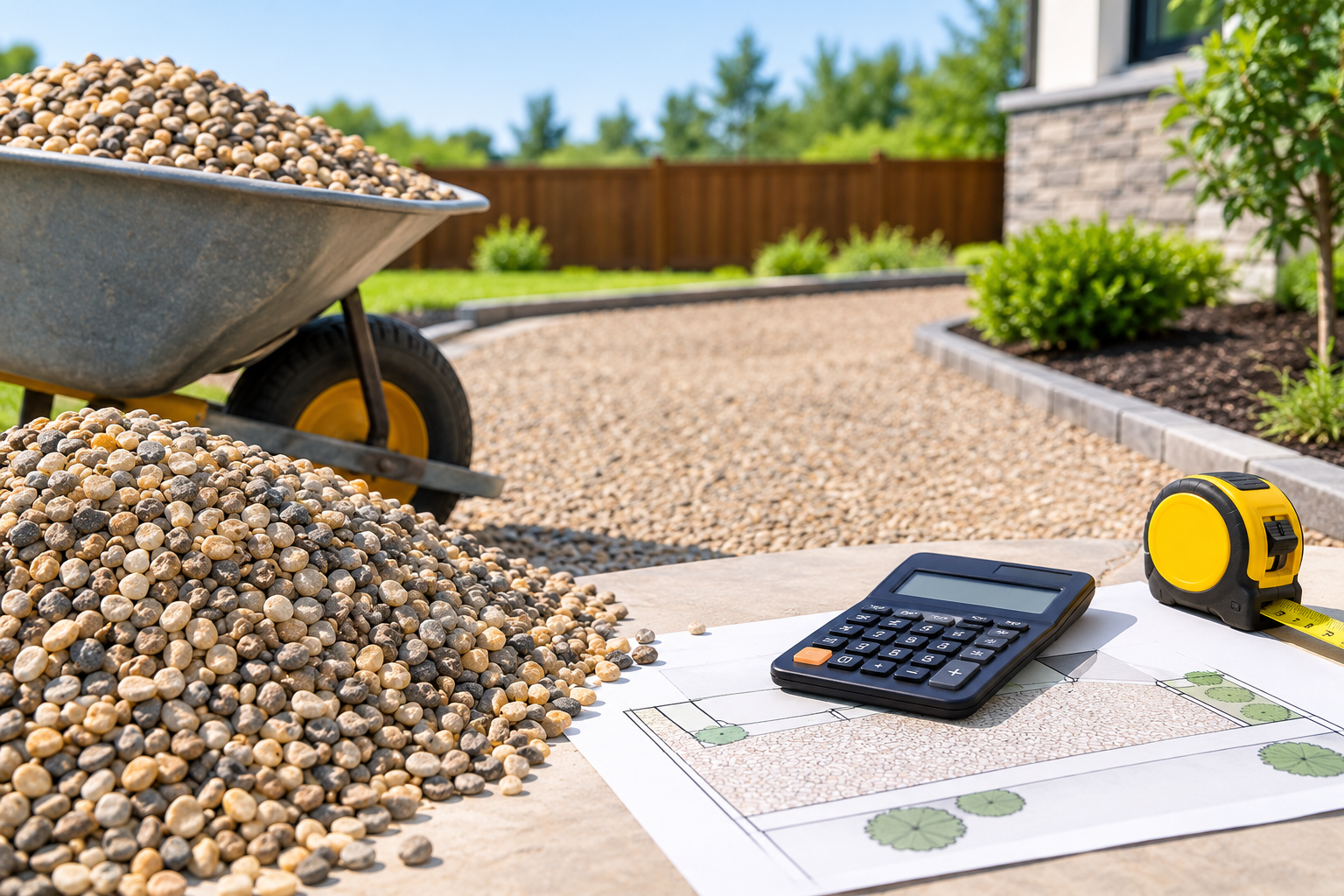
Choosing the Right Gravel for Your Garden
Decorative gravel is a practical way to improve the appearance of outdoor spaces without requiring the same level of maintenance as a traditional lawn. It can be used around flower beds, along garden paths, beneath seating areas, or in small corners where grass struggles to grow. However, getting a good result depends on choosing the right material and estimating how much you need before placing an order.
Pea gravel is popular for garden projects because its small, rounded stones create a neat and natural appearance. Before buying it, consider where it will be used. A decorative border may need a different depth from a frequently used pathway. Thinking about the purpose of each area helps you avoid buying the wrong amount or type of aggregate.
Measure Each Area Separately
Start by measuring the length and width of the space you want to cover. For a rectangular garden bed, multiply the length by the width to calculate its area. If the garden includes several separate beds or pathways, measure each section individually and add the results together.
Irregular spaces require a little more attention. You can divide an uneven area into smaller rectangles or other simple shapes, calculate each section, and combine the measurements. For a circular feature, such as a small seating area, use the radius to estimate the surface area.
Accurate measurements are important because even a small difference can affect the amount of gravel required. It is worth measuring twice before ordering, especially when the material will be delivered in bulk.
Decide How Deep the Gravel Should Be
After calculating the area, decide how deep the gravel layer needs to be. A shallow decorative covering may be suitable for some flower beds, while a garden path may require a deeper layer to provide more consistent coverage.
The right depth depends on the stone size, the condition of the ground, and the intended use of the space. Follow the supplier's recommendations where available, and make sure the ground beneath the gravel is prepared properly.
Once the area and depth are known, you can calculate the approximate volume of aggregate required. Keep the units consistent. For example, measurements in square metres should be combined with a depth measured in metres to calculate cubic metres.
Estimate the Required Weight
Garden aggregate is not always sold by volume. Some suppliers sell it by the tonne, which means you may need to convert the estimated volume into weight. This conversion depends on the density of the material.
A Pea Gravel Calculator Tons tool can help you estimate the quantity needed for a measured area and selected depth. It provides a useful starting point when preparing a shopping list or comparing supplier quotes. However, the result is still an estimate because gravel weight can vary with stone size, composition, moisture, and how tightly it settles.
Before ordering, check whether your supplier quotes prices by the tonne, cubic metre, or another unit. Confirm the approximate density used for the product so you can compare quantities fairly.
Prepare the Ground Before Delivery
Good preparation helps decorative gravel stay in place and look tidy. Remove weeds, roots, loose debris, and unwanted vegetation before spreading the material. Level the ground as much as practical, and address any drainage issues before covering the surface.
Landscape fabric may help reduce weed growth in some garden settings, but it is not a replacement for removing existing weeds and preparing the ground. Choose a suitable product for the intended use and follow its installation guidance.
If water regularly collects in the area, investigate the cause before adding gravel. Simply covering wet ground may not solve the problem and could lead to an uneven surface later.
Allow for Waste Without Overordering
It can be sensible to allow a small amount of extra gravel for uneven ground, minor measurement errors, and material lost while spreading. The amount of extra material depends on the shape of the area and how carefully the ground has been prepared.
Avoid adding a large allowance without a clear reason. Overordering can increase costs and leave you with leftover material that takes up valuable garden space.
For larger or irregular projects, compare your measurements with the supplier's advice before confirming the quantity. Ask whether the quoted amount is based on loose material and whether the delivery includes any minimum order requirements.
Organise the Delivery and Installation
Think about where the delivery vehicle can unload the gravel and how the material will reach the area where it is needed. If the garden has narrow access, steps, or a long path from the driveway, moving the aggregate may take more time than expected.
A wheelbarrow, shovel, rake, and suitable gloves can make installation easier. Spread the gravel gradually, checking the depth as you work. This helps create a more even finish and reduces the chance of using too much material in one spot.
Make Your Garden Project Easier to Manage
Estimating decorative aggregate does not need to be complicated. Measure each area, choose an appropriate depth, calculate the volume, and check the weight conversion if your supplier sells by the tonne.
Careful planning can help you control costs, reduce waste, and create a clean finish around pathways, flower beds, and other garden features. A little preparation before ordering often makes the installation itself much easier.

 English
 Arabic
 French
 Spanish
 Portuguese
 Deutsch
 Turkish
 Dutch
 Italiano
 Russian
 Romaian
 Greek