


How to Handle an Old Vehicle After Switching to Remote Work
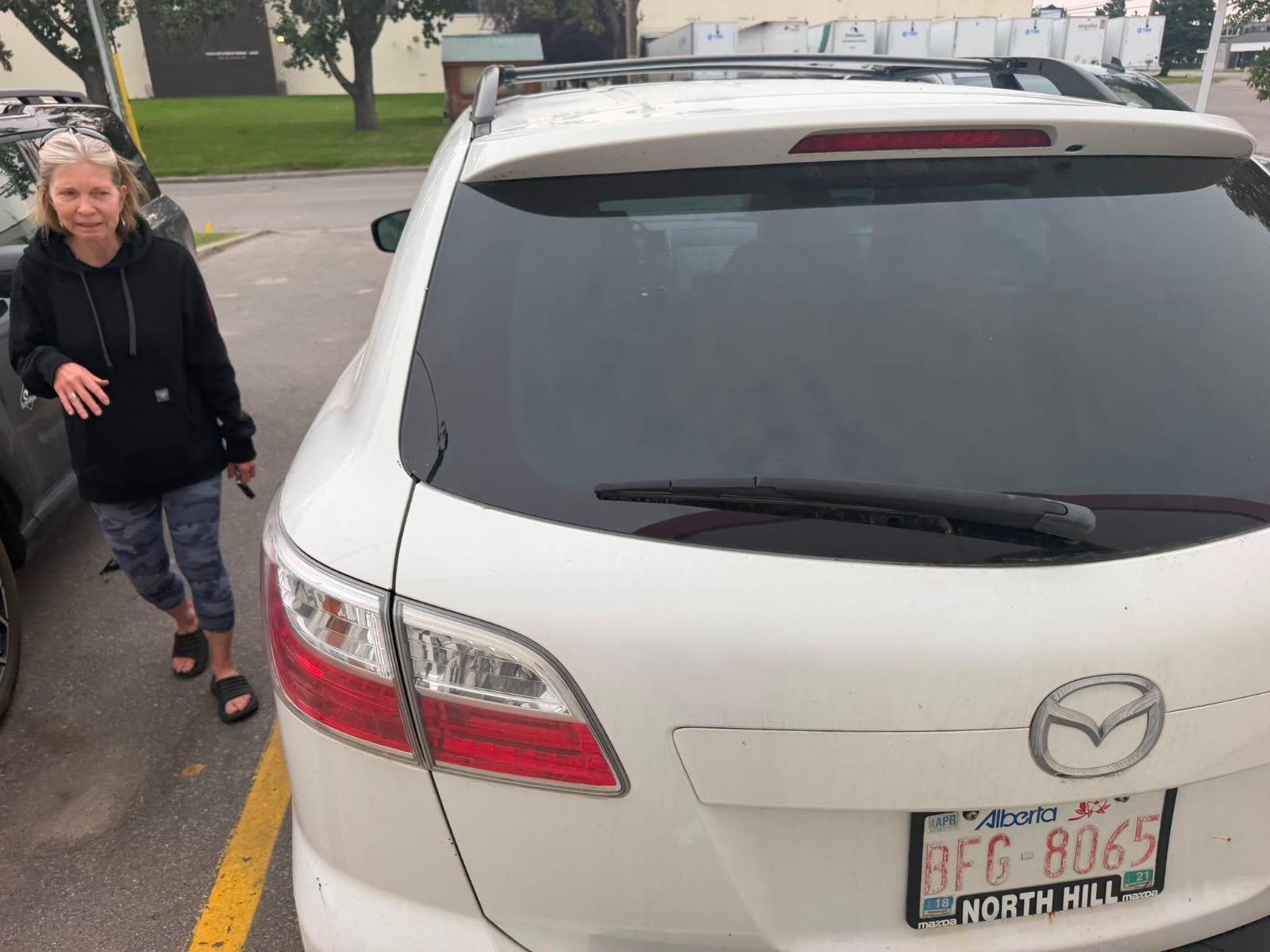
Switching to remote work can change your daily routine in ways you may not expect. Without a daily commute, you might spend less time on the road, use less fuel, and discover that the car you once depended on is no longer essential. For some people, this creates an opportunity to reduce transportation costs. For others, it raises a practical question: should you keep an older vehicle that barely gets used?
An old car can still be useful for grocery shopping, appointments, family visits, and weekend trips. However, if it spends most of its time parked, ongoing insurance, maintenance, and repair expenses may be difficult to justify.
Before selling, compare your new transportation needs with the cost of keeping the vehicle. A little planning can help you decide whether to maintain it, sell it privately, or arrange removal if it is no longer worth repairing.
1. Review How Your Driving Habits Have Changed
Start by comparing your driving routine before and after switching to remote work. If you previously drove to the office five days a week, your annual mileage may have dropped considerably.
Think about how often you now use your car and which journeys still require it. You might only need transportation for shopping, appointments, visiting relatives, or occasional outings.
Ask yourself a few practical questions:
-
How often do I drive during a typical week?
-
Is my car necessary for essential errands?
-
Can I use public transportation or rideshare services when needed?
-
Do I expect to return to office-based work in the future?
-
Is another household member already using a vehicle that could meet my needs?
Track your trips for a few weeks if you are unsure. This can reveal whether the car still serves a meaningful purpose or has become an expensive possession that occupies space without providing much value.
2. Calculate the Cost of Keeping an Older Car
A vehicle does not stop costing money just because you drive it less. Insurance, registration, maintenance, parking, and unexpected repairs can continue even when the car remains in your driveway.
Older vehicles may also develop problems after long periods of inactivity. Batteries can lose charge, tires can deteriorate, and neglected mechanical issues may become more noticeable when you start driving again.
Prepare a simple annual cost estimate that includes:
-
Insurance and registration expenses.
-
Routine servicing and fluid changes.
-
Repairs that are already needed.
-
Tire replacement and battery costs.
-
Parking or storage expenses.
Then compare these costs with how much you actually use the vehicle. If you spend a significant amount maintaining a car that only moves once or twice a month, selling it might be worth considering.
However, include the cost of alternative transportation in your calculations. The goal is to reduce unnecessary expenses without making everyday travel inconvenient.
3. Check Whether the Car Is Still Reliable
An older vehicle may be worth keeping if it remains dependable and inexpensive to maintain. On the other hand, repeated breakdowns can turn an occasional trip into a frustrating and costly experience.
Pay attention to warning signs such as difficulty starting, unusual engine noises, fluid leaks, worn tires, brake problems, or dashboard warning lights. If you notice these issues, have the vehicle assessed before deciding whether to invest in repairs.
Consider the difference between a minor maintenance issue and a major mechanical problem. Replacing a battery might be reasonable, while repairing a failing transmission on a low-value car could cost more than the vehicle is worth.
If the car remains safe and reliable, reduced commuting may actually help you keep it longer by lowering mileage. But if it already needs expensive repairs and you rarely use it, selling may be the more practical choice.
4. Decide Whether You Need a Personal Vehicle at All
Remote work does not mean you will never need transportation. You may still have medical appointments, family commitments, shopping trips, or activities that are difficult to reach without a car.
Before selling, consider the alternatives available near your home. Public transportation may cover regular journeys, while taxis and rideshare services can help with occasional trips. Walking or cycling may also work for short distances, depending on your location and circumstances.
If your partner or another household member already owns a reliable vehicle, sharing it might be another option. However, consider whether your schedules overlap and whether you would still have access to transportation when necessary.
Create a realistic plan for essential trips before giving up your car. Selling an unused vehicle can save money, but only if the alternatives suit your lifestyle.
5. Avoid Spending Too Much on Repairs
One of the biggest mistakes owners make is repairing an old car simply because they have owned it for years. Previous spending does not automatically make another repair worthwhile.
Imagine your car needs new tires, suspension work, and engine repairs, but you now drive only a few kilometres each week. Before approving the work, compare the repair estimate with the vehicle's current market value and your expected future use.
Ask yourself three questions:
-
How much will the repairs cost?
-
What could I realistically sell the car for after repairs?
-
Would the repaired vehicle be useful enough to justify the expense?
If the cost of repairs is close to or greater than the vehicle's value, obtaining an offer for the car in its current condition may be sensible.
You should also avoid delaying necessary safety repairs while continuing to drive the vehicle. If it is unsafe, stop using it until the problem has been properly assessed.
6. Compare Private Selling With Vehicle Removal
If your car still runs well and has reasonable resale value, selling it privately may help you receive a better price. You can research comparable listings, take photographs, prepare an advertisement, and negotiate directly with potential buyers.
However, private selling takes time. You may need to respond to enquiries, arrange inspections, answer questions about repairs, and deal with buyers who change their minds.
If the vehicle is damaged, non-running, or too expensive to repair, a vehicle-buying service may be more convenient.
For Calgary residents, Junk My Car YYC offers an option to explore when an older vehicle is no longer needed. You can provide the car's details and condition to request an offer and discuss pickup arrangements.
Compare the amount offered with the likely private-sale price, the cost of repairs, and the time required to sell. This helps you choose an option based on the overall value rather than convenience alone.
7. Consider the Benefits of Removing an Unused Vehicle
An old car can take up valuable driveway or garage space even when it is no longer part of your daily routine. If it has not been driven for months, it may also require maintenance simply to remain in reasonable condition.
Removing an unwanted vehicle can help you:
-
Free up parking or garage space.
-
Avoid future repairs on a car you rarely use.
-
Reduce ongoing ownership expenses.
-
Make room for storage, a home workspace, or another vehicle.
-
Avoid leaving a deteriorating car parked indefinitely.
If your vehicle no longer starts or has substantial mechanical damage, you can explore junk car removal in Calgary to learn about collection options.
Before arranging pickup, explain whether the car runs, whether it has keys, and whether there are any access restrictions. Confirm the offer, towing arrangements, and required documents before agreeing to the sale.
8. Prepare the Vehicle Before Selling It
Once you decide to sell, a few simple steps can make the process easier.
First, remove personal belongings from the glove compartment, trunk, and other storage areas. Check for documents, garage remotes, chargers, and anything else you want to keep.
Next, gather proof of ownership and valid identification. If there is an outstanding loan or another ownership complication, resolve the relevant requirements before completing the sale.
Be honest about the vehicle's condition. Mention known mechanical issues, collision damage, missing parts, or problems starting the engine. Accurate details help avoid misunderstandings when the buyer inspects the car.
If you sell the vehicle in Alberta, follow the applicable requirements for the bill of sale, licence plates, registration, and insurance. Keep a copy of the completed sale documents for your records.
9. Make a Decision Based on Your Future Plans
Your current remote-work arrangement may be permanent, temporary, or somewhere in between. Consider how likely your driving needs are to change over the next year.
If you expect to return to the office soon, keeping a dependable car might make sense. If remote work is permanent and your vehicle is rarely used, selling it could be a better long-term decision.
You do not have to decide immediately if the car is still reliable and affordable to maintain. Track your mileage and expenses for a month, then review whether keeping it makes sense.
The important thing is to avoid holding onto a vehicle out of habit. Its value to you should reflect how you live now, not only how you travelled before working remotely.
Final Thoughts
Switching to remote work can make an old vehicle less necessary, but selling it is not automatically the right choice for everyone. Review your driving habits, calculate the cost of ownership, assess the car's condition, and consider the transportation alternatives available to you.
If the vehicle remains reliable and serves a genuine purpose, keeping it may be worthwhile. If it spends most of its time parked and requires expensive repairs, selling it could free up money and space for more useful priorities.
Make the decision based on your current needs and future plans. A vehicle should support your lifestyle rather than become an unnecessary expense.

 Arabic
 French
 Spanish
 Portuguese
 Deutsch
 Turkish
 Dutch
 Italiano
 Russian
 Romaian
 Portuguese (Brazil)
 Greek