


What to Do When Your Household No Longer Has a Driver for an Extra Car
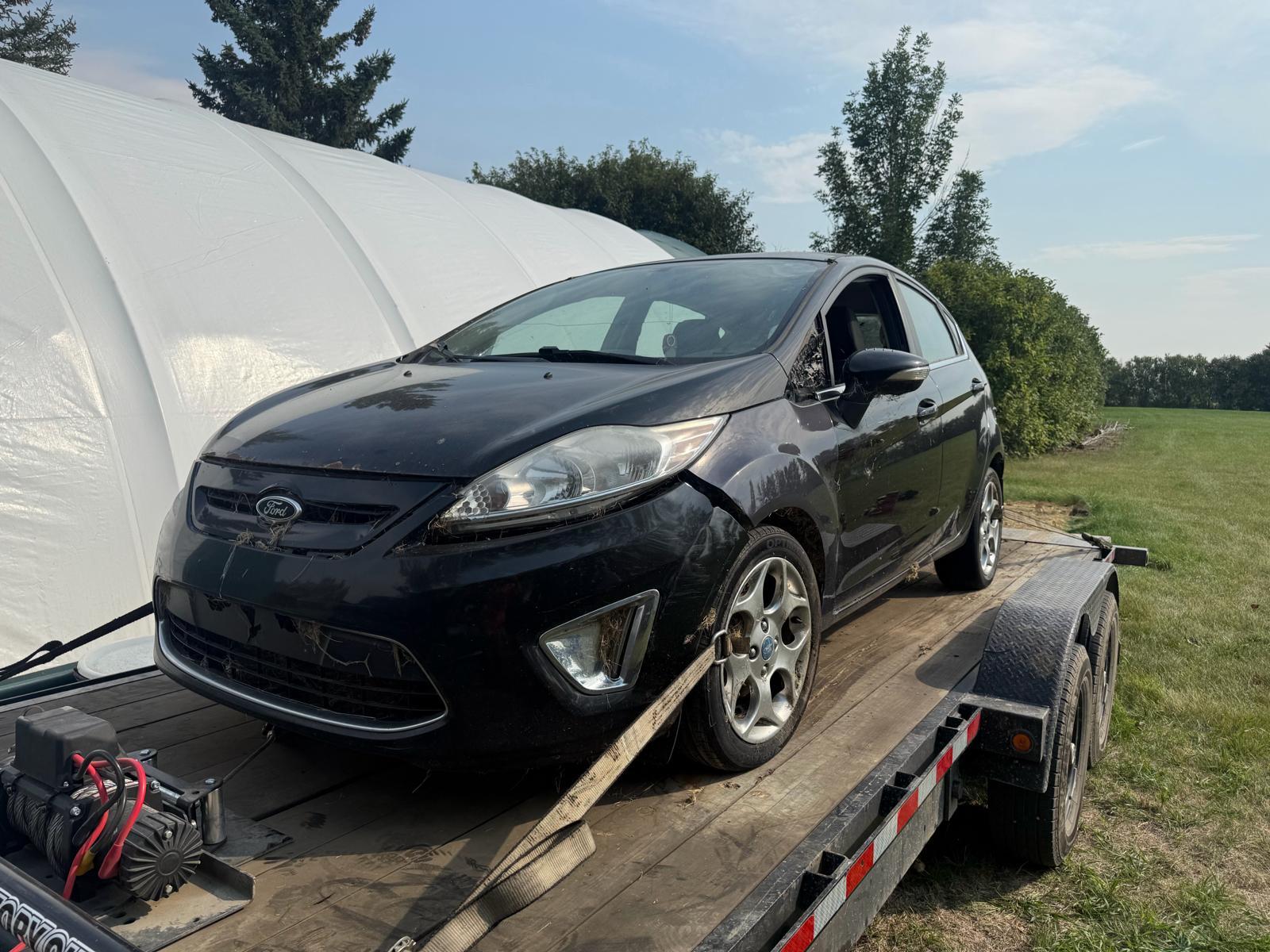
A vehicle can become unnecessary when a household's circumstances change. Perhaps the person who regularly drove it has moved away, stopped driving, or no longer needs a personal vehicle. Whatever the reason, an extra car can quickly turn from a useful possession into an expense that takes up valuable space.
An unused vehicle may still require insurance, maintenance, registration, and occasional repairs. If it sits outdoors for months, weather exposure can also contribute to rust, battery problems, and tire deterioration.
The right decision depends on the car's condition, your household's transportation needs, and the cost of keeping it. Whether you decide to retain it, sell it privately, or arrange removal, planning ahead can help you avoid unnecessary expenses.
1. Understand Why the Vehicle Is No Longer Needed
Before deciding what to do with an extra car, identify why nobody in the household drives it anymore. The reason can affect which option makes the most sense.
For example, a vehicle may no longer be needed because its regular driver has moved to another city. In another household, an older family member may have stopped driving, leaving a car parked in the driveway.
Ask yourself:
-
Is another household member likely to use the vehicle in the future?
-
Is the car suitable for anyone else's transportation needs?
-
Has the household already replaced it with another vehicle?
-
Is it being kept for occasional emergencies, or simply out of habit?
-
Would selling it create any transportation difficulties?
If another person might need the car soon, keeping it temporarily could be reasonable. However, if nobody expects to use it, continuing to pay for its upkeep may not be worthwhile.
2. Calculate the Cost of Keeping an Unused Car
A vehicle does not have to be driven regularly to generate expenses. Depending on your circumstances, you may still pay for insurance, registration, parking, maintenance, and repairs.
Older vehicles can also develop mechanical issues while sitting unused. A weak battery, deteriorating tires, rust, or leaking fluids may require attention before the car can be driven safely again.
Create a simple estimate of the annual cost of ownership. Include upcoming repairs rather than looking only at routine expenses.
For example, if an unwanted car needs several expensive repairs but nobody plans to drive it, spending money to restore it may not make financial sense. You could compare the repair estimate with the vehicle's current value and the amount you might receive by selling it as-is.
Also consider whether cancelling or changing insurance and registration is appropriate under local requirements. Do not assume that leaving a car parked automatically removes every ownership obligation.
3. Check Whether the Car Is Still in Good Condition
An unused car is not necessarily a junk car. If it runs well, has a reasonable mileage history, and needs little maintenance, selling it to another driver may be worthwhile.
Inspect its general condition and consider whether it has any major mechanical problems. Look at the tires, brakes, battery, engine, and bodywork. If you are unsure about its condition, a mechanic can help you identify repairs that may affect its safety or resale value.
Think about the difference between a car that simply needs occasional maintenance and one that requires expensive repairs. A reliable vehicle may attract private buyers, while a damaged or non-running car might be more suitable for a vehicle-buying service.
Avoid investing heavily in repairs before estimating the car's market value. The money you spend fixing an unwanted vehicle may not be recovered when you sell it.
4. Decide Whether Another Household Member Could Use It
Sometimes, an extra car becomes unnecessary for one person but remains useful to someone else in the household.
For example, a family member who recently obtained a driving licence might benefit from using the vehicle. Another household member may need transportation for work, shopping, or regular appointments.
Before selling, discuss whether anyone genuinely needs the car. Consider fuel economy, reliability, insurance costs, and whether the vehicle suits that person's driving requirements.
However, avoid keeping a car simply because someone might use it someday. If nobody has a clear need for it, establish a deadline for making a final decision.
This approach helps your household distinguish between a vehicle with future practical value and one that is simply occupying space.
5. Compare Your Selling Options
If nobody needs the vehicle, selling it may be the most practical way to recover some of its value. Your options will depend on the car's condition and how much time you want to spend arranging the sale.
Private sale: This may be suitable for a car in good condition. You can advertise it, compare offers, arrange viewings, and negotiate directly with buyers. However, the process can take time and may involve repeated enquiries.
Trade-in: If your household plans to purchase another vehicle, a dealership may accept the unwanted car as part of the transaction. Compare the trade-in offer with other options before agreeing.
Vehicle-buying service: This can be convenient when a car is old, damaged, or no longer running. You can request an offer without preparing the vehicle for a traditional private sale.
Compare the expected payment, repair expenses, collection arrangements, and time involved. The highest initial offer is not always the best overall option if it requires substantial preparation or additional costs.
6. Consider Selling a Damaged or Non-Running Vehicle
A vehicle that no longer starts can be particularly difficult to manage when nobody in the household drives it. You may need to arrange towing just to move it, and repairs could cost more than the car is worth.
If the vehicle has a failed engine, transmission problems, significant rust, or accident damage, consider obtaining an offer in its current condition before spending money on repairs.
For Calgary residents, Maple Cash for Cars is one option to explore when selling an unwanted vehicle. You can provide its make, model, year, and condition to request an offer and discuss pickup arrangements.
If the vehicle is no longer roadworthy or cannot be driven, you can also review the company's junk car removal service to learn about collection options.
Before accepting an offer, confirm the payment amount, towing arrangements, any applicable conditions, and the documents required. Make sure you understand the terms before committing to the sale.
7. Handle Ownership and Paperwork Properly
An unused car may belong to someone who no longer lives in the household or is no longer able to drive. In these situations, establishing who has the legal authority to sell the vehicle is essential.
If the registered owner is still available, obtain their agreement and complete the required paperwork. If the owner has passed away or cannot manage the transaction, additional authorization or estate documentation may be necessary.
Do not assume that living at the same address gives you the right to sell someone else's vehicle.
For a vehicle registered in Alberta, check the applicable requirements for proof of ownership, identification, the bill of sale, and licence plates. Remove personal belongings and review any documents stored inside the car before handing it over.
Keeping copies of the completed paperwork can help you maintain a clear record of the transaction.
8. Prepare the Vehicle for Collection
Once you have chosen a selling option, make the handover as straightforward as possible.
Use this checklist before the scheduled pickup:
-
Remove personal belongings from the glove compartment, trunk, and other storage areas.
-
Check for important documents, garage remotes, and other items you want to keep.
-
Gather the required ownership documents and identification.
-
Tell the buyer if the vehicle does not start or has missing parts.
-
Explain any access restrictions, such as a narrow driveway or locked parking area.
-
Confirm the pickup time and payment arrangements.
-
Follow the applicable local requirements for licence plates and registration.
If the car is parked on private property, make sure the person arranging collection has permission to provide access. If the vehicle is not running, explain its condition beforehand so the appropriate recovery equipment can be arranged.
These preparations can help prevent delays and make the process easier for everyone involved.
9. Put the Money and Space to Better Use
Selling an unwanted car can provide benefits beyond the immediate payment. You may free up a driveway, garage, or parking stall that could be used for something more valuable.
The money received could help cover household bills, build savings, or pay for transportation when needed. You may also avoid future repair costs and the hassle of maintaining a vehicle that nobody drives.
If you are unsure about selling, track the vehicle's expenses and actual use over the next month. A clear picture of its costs can make the decision easier.
However, keep your household's future needs in mind. If a reliable car might soon be necessary, compare the cost of retaining it with the likely cost of alternative transportation or purchasing another vehicle later.
Final Thoughts
When your household no longer has a driver for an extra car, the vehicle does not have to remain parked indefinitely. Start by reviewing its condition, calculating the cost of ownership, and deciding whether anyone is likely to use it.
If the car remains reliable and has a realistic purpose, keeping it may be worthwhile. If nobody needs it and maintenance expenses continue to accumulate, selling it could be the more practical choice.
By comparing your options, confirming ownership, and arranging a suitable sale or removal service, you can turn an unused vehicle into a more useful financial and practical resource.

 English
 Arabic
 French
 Spanish
 Portuguese
 Turkish
 Dutch
 Italiano
 Russian
 Romaian
 Portuguese (Brazil)
 Greek