


Why Does an Unused Car Develop a Musty Smell Inside?
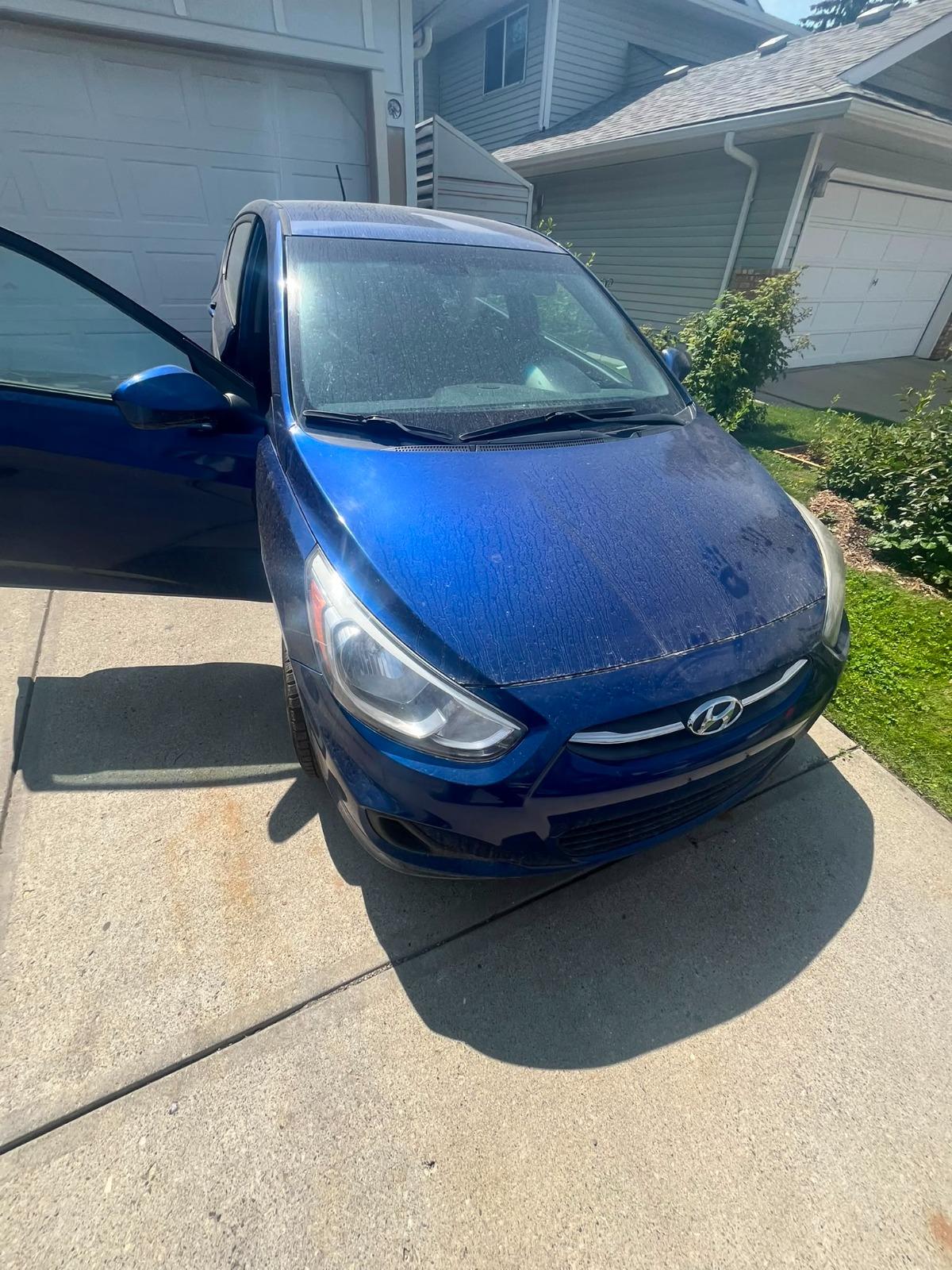
An unused car can develop a musty smell even when its doors and windows remain closed and nobody has spilled anything inside. The odour may start as a faint stale smell and gradually become stronger, particularly after rain, during damp weather, or when the vehicle has been parked for several weeks.
In many cases, the problem comes from trapped moisture, poor air circulation, damp carpets, or mould and mildew beginning to grow inside the vehicle. A musty smell is more than an unpleasant inconvenience: it can indicate a moisture problem that may damage upholstery, encourage corrosion, and become more expensive to fix if ignored.
Understanding why the smell develops can help you decide whether simple cleaning will solve the problem or whether the vehicle needs a more thorough inspection.
1. Trapped Moisture Creates the Perfect Conditions
One of the most common reasons an unused car develops a musty smell is moisture that remains trapped inside the cabin.
Rainwater can enter through worn door seals, damaged window seals, a leaking sunroof, or gaps around the windshield. Even a small leak may allow water to collect beneath the carpets or inside the boot without being immediately visible.
When the car is driven regularly, ventilation and heating may help the interior dry out. When it remains parked for long periods, that moisture can linger.
Over time, damp materials may begin to smell stale. The odour often becomes more noticeable when you first open the door or sit inside after the vehicle has been closed for several days.
Check the carpets, floor mats, boot lining, and footwells for dampness. If an area feels wet or the smell returns after cleaning, look for the source of the moisture rather than simply masking the odour with an air freshener.
2. Poor Air Circulation Allows Odours to Build Up
A car that sits unused for weeks may have little opportunity for its interior to air out. Dust, humidity, and ordinary interior odours can accumulate, particularly when the vehicle is parked in a shaded or poorly ventilated location.
Closed windows can help keep out rain, but they can also limit air exchange. If moisture has already entered the cabin, the lack of ventilation may allow the smell to persist.
This does not mean you should leave the windows open in an unsecured vehicle. Instead, when weather and security permit, open the doors briefly in a dry, well-ventilated area and allow the interior to air out.
Removing unnecessary items, drying floor mats separately, and keeping the cabin clean can also help. However, ventilation alone will not solve the problem if water continues to leak into the vehicle.
Why Does an Unused Car Develop a Musty Smell Inside?
An unused car can develop a musty smell even when nobody has spilled anything inside. The odour may begin as a faint, stale scent and become stronger after the vehicle has been parked for several weeks, especially when moisture gets trapped inside the cabin.
In many cases, the cause is damp carpeting, poor ventilation, water leaking through worn seals, or moisture collecting in the air-conditioning system. If the problem continues, mould and mildew may develop on interior materials, making the smell harder to remove.
Understanding the cause can help you determine whether a thorough cleaning will solve the problem or whether the vehicle needs mechanical attention.
1. Trapped Moisture Can Cause a Musty Smell
Moisture is one of the most common reasons an unused car develops an unpleasant interior odour. Rainwater can enter through damaged door seals, loose window seals, a leaking windshield, or blocked sunroof drains.
Even a small leak can allow water to collect beneath the carpets or inside the trunk without being immediately noticeable. When the car remains parked, these damp areas may not dry properly.
Check the floor mats, footwells, carpet edges, and trunk lining for dampness. Look for fogged-up windows, water stains, or a smell that becomes stronger after rain.
If you discover moisture, dry the affected materials and investigate where the water is entering. Simply spraying an air freshener over the smell will not resolve the underlying problem. Moisture must be controlled to prevent further mould growth.
2. Poor Air Circulation Allows Odours to Build Up
When a vehicle sits unused for weeks, there is little opportunity for the cabin to air out. Dust, humidity, and odours can accumulate inside the closed space, particularly if the car is parked in a damp garage or shaded area.
Food wrappers, old receipts, forgotten clothing, and other items can also contribute to stale smells. Fabric seats, carpets, and floor mats absorb odours and may release them again when the interior warms up.
To improve the situation, remove rubbish and unnecessary items, take out the floor mats, and allow the interior to air out in a secure, dry location. Make sure the mats are completely dry before putting them back.
Avoid leaving windows open when rain, theft, or other security concerns are possible. If the odour returns shortly after cleaning, look for a hidden moisture source instead of repeatedly masking the smell.
3. Mould and Mildew May Be Growing Inside the Car
A persistent musty smell can indicate mould or mildew developing on damp upholstery, carpeting, or other interior materials. These organisms thrive when moisture remains in place, especially in areas that are rarely inspected.
You may notice dark spots on fabric, discolouration, or a stronger earthy smell when opening the doors. However, mould can also grow beneath carpeting or in hidden areas where it is not immediately visible.
If you find a small affected area, use a cleaning method suitable for the material and dry it thoroughly. Extensive growth or dampness beneath the carpet may require professional cleaning or repair.
Do not ignore a persistent mouldy smell, particularly if anyone experiences irritation or breathing discomfort inside the vehicle. Fixing the source of moisture is essential because cleaning alone may not prevent the problem from returning.
4. The Air-Conditioning System May Be the Source
Sometimes, the smell does not come from the seats or carpets at all. It may come from the vehicle's heating, ventilation, and air-conditioning (HVAC) system.
Air conditioning naturally produces condensation. Normally, the water drains away from the system, but moisture that remains in the evaporator area can contribute to musty odours. A blocked drain or damp cabin air filter may also need attention.
Pay attention to when the smell appears:
-
Immediately after opening the car: The source may be damp interior materials or mould.
-
When the fan or air conditioning starts: The HVAC system may be contributing to the odour.
-
After the car has been parked for several hours: Moisture and condensation may be involved.
If the smell comes mainly through the vents, have the cabin filter, evaporator drainage, and ventilation system inspected. Avoid assuming that an air freshener or a quick interior clean will resolve a problem inside the system.
5. Old Food, Spills, and Forgotten Items Can Make the Smell Worse
Not every musty smell is caused by a water leak. Sometimes, the source is something left behind before the car was parked.
A spilled drink beneath a seat, food residue in the trunk, damp clothing, or an old item stored in a door pocket can produce unpleasant odours over time. Fabric and carpet may retain these smells even after the original spill has dried.
Inspect the cabin carefully, including areas that are easy to overlook:
-
Under the front and rear seats.
-
Inside the glove compartment and door pockets.
-
Beneath removable floor mats.
-
Around the spare tire and trunk lining.
-
Inside storage compartments and cup holders.
Remove the source and clean the affected area using a suitable automotive interior cleaner. If the smell remains, check whether liquid has soaked into the foam beneath the upholstery or carpet.
6. Long-Term Parking Can Make Existing Problems Harder to Notice
A vehicle that is driven regularly receives more frequent inspections, cleaning, and maintenance. When it sits unused, small issues may go unnoticed until the smell becomes obvious.
For example, a minor leak around a window may gradually dampen the carpet. A blocked drain may allow water to collect, while deteriorating seals can make the interior more vulnerable to rain.
Check the vehicle periodically, particularly after heavy rain or long periods of damp weather. Look for wet patches, corrosion, water stains, and changes in the smell.
If you intend to keep the car, address these problems early. Repairing a small leak and drying the interior may be much less expensive than replacing damaged carpeting or dealing with extensive mould.
7. How to Remove a Musty Smell From an Unused Car
The best approach is to remove the source of the odour rather than cover it up.
Follow these steps:
-
Remove rubbish and personal belongings. Check the entire cabin and trunk for anything that may be producing the smell.
-
Inspect for moisture. Feel the carpets and mats, and look for water stains or signs of leaks.
-
Clean the interior. Use suitable cleaners on upholstery, hard surfaces, and carpets.
-
Dry everything thoroughly. Damp materials left inside can allow the smell to return.
-
Check the ventilation system. If the odour comes from the vents, arrange an inspection of the filter and drainage system.
-
Fix the underlying problem. Repair leaks, clear appropriate drains, or replace damaged seals as necessary.
Avoid mixing cleaning chemicals or applying household products indiscriminately to automotive materials. If the interior has extensive mould growth or remains wet beneath the carpet, professional assessment may be the safer option.
8. Decide Whether an Unused Car Is Worth Keeping
Sometimes, a musty smell is simply a maintenance issue that can be resolved with cleaning and a minor repair. In other cases, the smell may be one of several problems affecting an older vehicle.
If the car also has mechanical damage, rust, electrical issues, or expensive repair requirements, consider whether restoring it is financially worthwhile.
Compare the likely repair costs with the car's current value and how often you expect to use it. A reliable vehicle that only needs interior cleaning may be worth keeping. An old car that has been sitting for years and requires extensive work may be less practical to restore.
If you decide the vehicle is no longer worth maintaining, you can explore selling options through YYC Cash for Cars. For an old, damaged, or non-running vehicle, its cash for junk cars service is another option to consider.
Before accepting an offer, describe the vehicle's condition accurately and confirm the payment, pickup arrangements, and paperwork requirements.
Final Thoughts
An unused car can develop a musty smell because moisture, poor ventilation, mould, forgotten spills, or air-conditioning problems allow unpleasant odours to build up inside the cabin.
Start by inspecting the carpets, seals, trunk, and ventilation system. Clean and dry affected areas, and repair any leaks before they cause further damage.
If the smell persists, investigate hidden moisture rather than repeatedly using air fresheners. And if the vehicle has become expensive to maintain and is no longer useful, comparing repair costs with its selling value can help you make a sensible decision.

 English
 Arabic
 Spanish
 Portuguese
 Deutsch
 Turkish
 Dutch
 Italiano
 Russian
 Romaian
 Portuguese (Brazil)
 Greek