


What Makes Cbbmachine Pneumatic Air Shaft Useful for Material Handling?
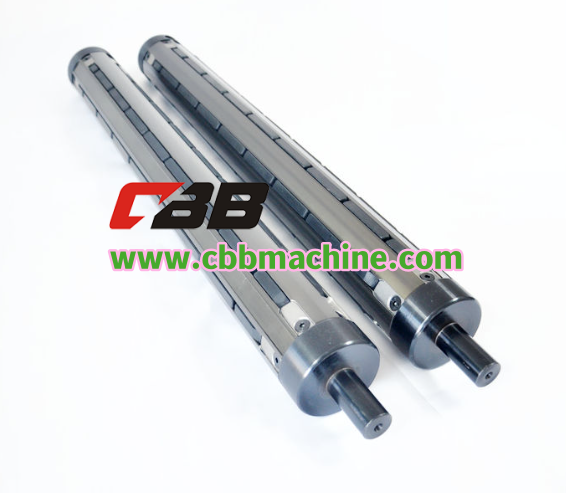
Efficient roll handling depends on secure shaft engagement, convenient material changes, and reliable coordination between mechanical components. A Pneumatic Air Shaft offers a practical approach to securing roll cores through air-operated expansion, while Cbbmachine provides industrial components for manufacturers seeking adaptable solutions for winding, unwinding, and material-converting operations. By understanding the relationship between shaft construction, core compatibility, and operating conditions, businesses can make informed decisions about equipment integration and daily production requirements.
In converting environments, materials such as paper, plastic film, foil, and flexible packaging substrates often travel through winding and unwinding systems. The shaft supporting each roll must hold the core securely while transmitting rotational force from the connected machinery. An air-operated expansion mechanism allows the shaft to engage with a compatible core, helping establish a stable connection during processing and making roll installation more manageable for production personnel.
The expansion process generally involves introducing compressed air through a designated valve or connection. Internal components respond to the applied air pressure, expanding the gripping elements against the inside surface of the roll core. When the air is released, these elements retract to facilitate removal. The exact mechanism varies with the shaft design, so users should consult the relevant technical documentation before installation or operation.
Core compatibility deserves careful consideration during equipment selection. Different production lines may use cores with varying internal dimensions, materials, and structural characteristics. The gripping mechanism must match the intended core and provide suitable engagement under the expected operating conditions. Buyers should also review shaft length, load requirements, rotational behavior, mounting arrangements, and the connection between the shaft and the drive system.
Material handling requirements can influence the choice of expansion structure. Some applications prioritize secure gripping during continuous winding, while others require convenient release during frequent material changes. The core material also matters because excessive gripping force may damage a weak core, whereas insufficient engagement may allow unwanted movement. Evaluating these conditions helps manufacturers identify a configuration that suits their production process.
Integration with existing machinery is another important consideration. The shaft should work appropriately with the supporting bearings, drive components, braking arrangements, and tension-control equipment. Proper alignment helps distribute mechanical loads as intended, while suitable installation practices can reduce unnecessary stress on connected components. Before introducing new equipment, production teams should review the complete mechanical arrangement rather than considering the shaft in isolation.
Maintenance practices contribute to continued operational reliability. Operators should inspect gripping elements, valves, seals, air passages, and other accessible components according to the manufacturer's recommendations. Air leakage, worn contact surfaces, contamination, or irregular expansion may affect gripping performance and should be addressed before the equipment returns to service. Keeping the mechanism clean and following appropriate inspection procedures can also help identify developing issues.
Safe operation depends on correct use as well as equipment design. Personnel should follow established procedures when installing or removing rolls, isolate machinery before maintenance, and release stored pneumatic pressure when required by the manufacturer's instructions. The roll must be properly secured before the system starts, and operators should never attempt to adjust moving components while the machine is running.
When evaluating a supplier, manufacturers should communicate their core specifications, material characteristics, machine configuration, and operating environment. Clear technical information helps determine whether a proposed shaft is appropriate for the intended application and whether any customization may be necessary.
Every roll change is an opportunity to make a production process more organized. Visit https://www.cbbmachine.com/product/ to review available industrial equipment solutions and examine product information relevant to your winding requirements. Bring your application details into focus, compare suitable configurations, and take the next step toward a shaft arrangement that fits the way your production line works.

 English
 Arabic
 French
 Spanish
 Deutsch
 Turkish
 Dutch
 Italiano
 Russian
 Romaian
 Portuguese (Brazil)
 Greek