


Cast Steel Ball Valve Solutions for Process Equipment
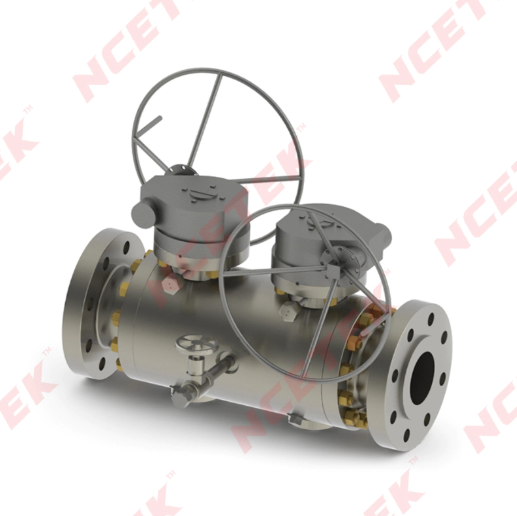
Industrial fluid systems require dependable valves that can isolate pipelines and support routine operating procedures. A Cast Steel Floating Ball Valve is one option for applications where a cast steel body and a floating ball arrangement suit the specified service conditions. Selection should account for operating pressure, temperature, medium compatibility, sealing requirements, and installation constraints to ensure that the valve is appropriate for its intended role.
In a floating ball valve, the ball is not fixed by a trunnion support at the top and bottom. Instead, the ball is supported by the seats and can move slightly under fluid pressure. When the valve closes, the pressure acting on the ball helps press it against the downstream seat, creating the intended sealing interface. This operating principle can provide effective shut-off in suitable applications, although the design must be matched to the pressure conditions and required valve size.
Cast steel construction offers flexibility for industrial valve body manufacturing. Depending on the grade, cast steel may be suitable for a range of water, oil, gas, and process-fluid services. The selected material must be compatible with the medium and operating environment. Corrosion exposure, temperature variation, pressure loading, and the applicable design standard should all be reviewed before the material is confirmed.
The internal components are just as important as the body. Ball surface quality, stem geometry, seat composition, and assembly accuracy influence operation and sealing performance. Soft seats made from suitable polymeric materials may be used for many clean-fluid applications, while other seat configurations can be considered for different temperatures or media. Compatibility must be verified against the actual fluid and expected operating conditions.
When evaluating a Cast Steel Floating Ball Valve, buyers should distinguish between nominal pressure class and the pressure-temperature limits of the selected model. A valve's allowable operating conditions depend on its material, design, connections, seats, and relevant standards. The pressure rating alone does not establish that the valve is suitable at every temperature or for every medium. Technical documentation should be checked against the project's design conditions.
Connection style also affects installation and maintenance. Flanged ends are commonly used where convenient removal or replacement is required, while other connection types may be available for particular system designs. Buyers should confirm the applicable flange or connection standard, facing dimensions, bore requirements, and installation space. Correct interface matching helps avoid unnecessary modifications at the construction site.
Operation is usually straightforward because the ball turns through a quarter rotation between open and closed positions. A manual handle may be suitable for accessible valves that do not require remote operation. Gear operators can help reduce the effort required in certain configurations, while pneumatic and electric actuators can support automated systems. Actuator selection should be based on operating torque, differential pressure, cycling frequency, and the available control infrastructure.
Manufacturing quality involves multiple stages. Casting quality, heat treatment where required, machining, dimensional verification, assembly, and pressure testing all contribute to the finished valve's performance. Inspection methods should follow the applicable manufacturing requirements and purchase specification. Buyers may request material documentation, pressure-test reports, inspection records, and other evidence according to the criticality of the installation.
The valve's intended application determines which features deserve the greatest attention. Water and utility systems may emphasize corrosion management and ease of maintenance. Oil and gas installations may require specific pressure ratings, materials, and pipeline standards. Chemical processing needs careful fluid compatibility review, while industrial equipment packages may prioritize compact installation and actuator integration. A valve suitable for one service should not automatically be assumed suitable for another.
Procurement teams should also evaluate lifecycle requirements. Spare seats and seals, maintenance access, operating instructions, and availability of replacement components can affect the long-term ownership experience. Even a well-designed valve can experience premature wear if exposed to unsuitable media, contamination, excessive differential pressure, or incorrect operating practices. Appropriate filtration, installation, and maintenance procedures may help support consistent performance where relevant.
For OEM and project orders, clear technical communication can reduce delays. Buyers should provide the operating medium, design pressure, temperature range, connection details, required standards, actuation preference, and inspection expectations. Changes to approved drawings or materials should be reviewed before production to maintain alignment between the specified and delivered product.
A practical valve selection balances body construction, seat performance, operating conditions, and verification requirements. Buyers seeking product details can visit https://www.ncevalve.com/product/ and discuss the intended service, pipeline interfaces, and technical specifications before confirming the appropriate floating ball valve.

 English
 Arabic
 French
 Spanish
 Portuguese
 Turkish
 Dutch
 Italiano
 Russian
 Romaian
 Portuguese (Brazil)
 Greek