


Efficient Pump Technology for Demanding Environments
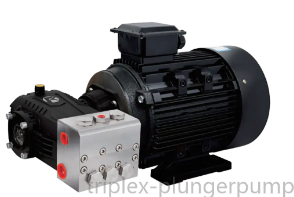
A Plunger Pump is a reciprocating pump designed to move fluid and generate pressure through the movement of a plunger inside a pumping chamber. Depending on its configuration, it can support industrial cleaning, pressure testing, water delivery, and other applications that require controlled fluid movement. For B2B buyers, selecting suitable equipment requires an understanding of operating pressure, flow rate, fluid characteristics, drive requirements, and expected usage. Evaluating these factors together helps ensure that the selected model meets the application's practical needs and supports reliable operation.
The working mechanism generally involves a moving plunger and a valve arrangement that controls the entry and discharge of fluid. As the plunger moves through its stroke, the chamber volume changes, allowing fluid to enter and then be discharged into the connected system. Many plunger designs use a sealing arrangement around the moving plunger, although construction details vary by model. Buyers should review the manufacturer's documentation to understand the specific design, performance characteristics, and service requirements of the equipment being considered.
Working pressure is a major factor in equipment selection. The required pressure depends on system resistance and the task being performed. Industrial cleaning may require sufficient force to remove accumulated dirt and deposits, while testing applications may need a controlled pressure range. Buyers should identify normal operating pressure and any anticipated peak demand before confirming a model. Choosing equipment solely by its maximum pressure rating may lead to an unsuitable configuration if flow capacity, power requirements, or operating duration do not match the intended workload.
Flow rate should be assessed alongside pressure because it determines how much fluid is delivered over a given period. Applications involving rapid rinsing or continuous water supply may require different flow characteristics from processes that prioritize controlled delivery at elevated pressure. Pressure and flow also influence drive power, so the selected motor or other drive arrangement must be appropriate for the intended operating conditions. Sharing detailed application requirements with the supplier helps reduce the risk of purchasing equipment that is either undersized or unnecessarily powerful.
Material compatibility is equally important. The plunger, seals, valves, pump head, and other wetted components must suit the fluid being handled. Water quality, temperature, chemical composition, and exposure to abrasive particles can influence wear and service life. Stainless steel or other specialized materials may be appropriate in certain environments, but the correct choice depends on the actual fluid and working conditions. Buyers should provide the supplier with accurate information about the medium and any special operating requirements before finalizing the material configuration.
Installation quality has a direct influence on performance. The inlet supply must meet the manufacturer's requirements, and the discharge pipework must be suitable for the intended pressure and flow. Restricted inlet flow, unsuitable fittings, air entering the system, or operation without sufficient fluid can contribute to unstable performance and premature wear. Hoses, connections, and protective components should be rated for the complete system's operating conditions. Adequate access for inspection and servicing should also be considered when planning the installation.
Routine maintenance helps preserve reliable operation. Operators should monitor pressure and flow, inspect connections for leaks, and investigate unusual noise or vibration. Seals and valves may require inspection or replacement according to operating hours, fluid characteristics, and manufacturer recommendations. Correct startup and shutdown procedures can reduce unnecessary stress on internal components. Maintaining records of operating hours, inspections, and replacement parts helps maintenance teams identify recurring problems and plan service activities before equipment failure interrupts production.
Safety procedures are essential when working with pressurized fluid. All pressure-bearing components must be suitable for the intended operating range, and the system should include appropriate protection where required. Operators should never disconnect hoses or open the pump while pressure remains trapped in the system. Before maintenance, the drive must be isolated and residual pressure released according to the manufacturer's instructions. Training and suitable protective equipment help reduce risks during operation and servicing.
For B2B purchasing teams, a complete quotation should specify the model, rated pressure, flow rate, drive power, operating speed, wetted materials, connection details, and available accessories. Spare parts availability, warranty conditions, technical documentation, and delivery arrangements should also be confirmed. When evaluating a Plunger Pump, buyers should focus on verified performance data, application compatibility, maintainability, and supplier support rather than price alone. To explore FEIKE's available products and configurations, visit https://www.triplex-plungerpump.com/product/pumps/.

 English
 French
 Spanish
 Portuguese
 Deutsch
 Turkish
 Dutch
 Italiano
 Russian
 Romaian
 Portuguese (Brazil)
 Greek