


Is HIFU Treatment suitable for men and women?
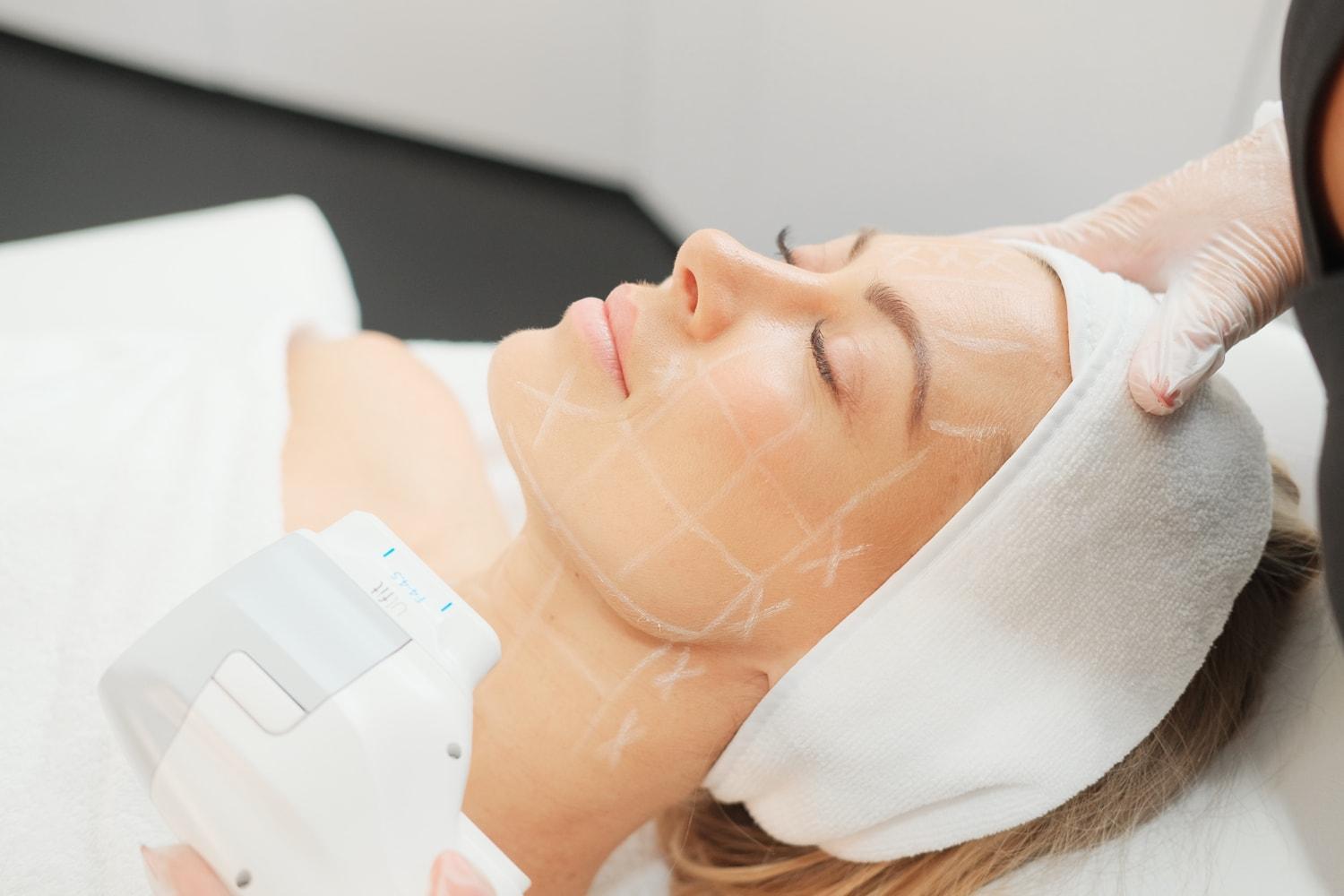
Yes, HIFU Treatment may be suitable for both men and women who want to improve the appearance of skin firmness, address mild skin laxity, or enhance facial contours without traditional surgery. HIFU, or High-Intensity Focused Ultrasound, uses focused ultrasound energy to target selected tissue layers beneath the skin. The most appropriate treatment depends on individual skin concerns, anatomy, medical history, and aesthetic goals rather than gender alone. People exploring علاج الـهايفو في دبي can learn about the procedure, its potential benefits, and its limitations before deciding whether it may suit their needs.
How Does HIFU Treatment Work?
HIFU delivers focused ultrasound energy to selected tissue depths, creating controlled thermal effects that may stimulate collagen remodelling. Collagen is an important structural protein that helps support skin firmness and elasticity.
Depending on the device and treatment plan, HIFU may be used to address mild skin laxity around areas such as the lower face, jawline, cheeks, and neck. Some devices are designed for specific body areas, but treatment suitability depends on the device's intended use and professional assessment.
Results vary between individuals and generally develop gradually. HIFU does not provide the same results as a surgical facelift, and it may not be suitable for significant excess skin.
Is HIFU Treatment Suitable for Women?
HIFU may be an option for women who want to address selected signs of skin laxity or improve facial definition without undergoing surgery. Some may consider it for mild sagging around the cheeks, jawline, or neck.
Suitability depends on the individual's skin condition, tissue thickness, medical history, and expectations. A qualified practitioner should explain the likely degree of improvement and whether another treatment may be more appropriate.
HIFU is not a requirement for maintaining youthful-looking skin, and a person may achieve their goals through skincare or other approaches instead.
Is HIFU Treatment Suitable for Men?
Yes, men may also be candidates for HIFU when the treatment matches their skin concerns and anatomy. Some men seek treatment to improve the appearance of mild sagging around the jawline, chin, or neck.
Facial structure, skin thickness, beard distribution, and the amount of underlying tissue can influence treatment planning. The practitioner should select suitable settings and treatment areas based on an individual examination rather than applying the same approach to every patient.
Men and women can both experience discomfort during treatment, and neither group is guaranteed a particular cosmetic outcome.
What Skin Concerns Can HIFU Address?
HIFU may be considered for selected concerns, including:
-
Mild skin laxity: It may improve the appearance of early sagging in suitable areas.
-
Jawline definition: Some patients seek treatment to refine the appearance of the lower face.
-
Neck firmness: Selected devices may be used for mild laxity in the neck area.
-
Changes in skin firmness: Collagen remodelling may contribute to gradual improvements in selected cases.
HIFU is not designed to treat every skin concern. It generally does not remove significant excess skin, and it should not be presented as a guaranteed method for reducing facial fat or eliminating wrinkles.
What Factors Determine HIFU Suitability?
Although HIFU may be suitable for men and women, several factors should be considered before treatment.
-
Skin condition: The degree of skin laxity and overall skin quality influence potential results.
-
Facial anatomy: Tissue thickness and the location of the treatment area affect treatment planning.
-
Medical history: Certain medical conditions, medications, and previous cosmetic procedures may affect suitability.
-
Treatment expectations: HIFU is generally intended for selected concerns involving mild skin laxity, rather than substantial excess skin.
-
Device selection: Different HIFU devices have different capabilities and intended uses.
A qualified, appropriately trained practitioner should assess these factors and explain the potential benefits and risks. Incorrect treatment settings or targeting unintended structures can cause tissue damage, so professional expertise is essential.
What Are the Potential Benefits of HIFU for Men and Women?
For suitable patients, HIFU may offer several potential benefits:
-
Non-surgical approach: Cosmetic HIFU does not require the incisions associated with a traditional facelift.
-
Skin firmness: Focused ultrasound energy may stimulate collagen remodelling and improve the appearance of mild skin laxity.
-
Facial contouring: Selected treatments may help improve the appearance of the jawline and lower face.
-
Gradual results: Improvements may develop over several weeks or months.
-
Limited downtime: Many patients experience less recovery time than they would after surgery, although temporary discomfort, redness, or swelling can occur.
The extent of improvement varies, and HIFU cannot guarantee a particular cosmetic outcome. Clinical research suggests potential benefits for facial and neck rejuvenation, but treatment protocols and individual responses differ.
Who Should Avoid or Postpone HIFU Treatment?
HIFU is not appropriate for everyone. Treatment may need to be postponed or avoided in people with active skin infections, open wounds, or certain medical conditions affecting the proposed treatment area.
Pregnancy, breastfeeding, implanted devices, previous cosmetic procedures, and medications that affect healing may also require additional assessment. The relevant precautions depend on the device, treatment area, and individual circumstances.
Anyone considering HIFU should disclose their medical history and current medications during the consultation. They should not stop prescribed medication without advice from the healthcare professional responsible for their care.
How Can Men and Women Prepare for HIFU Treatment?
Preparation begins with a consultation to discuss concerns, review medical history, and establish realistic expectations. The practitioner should explain the procedure, possible discomfort, expected results, and aftercare requirements.
Patients should follow the clinic's specific preparation instructions and disclose any recent cosmetic treatments or skin irritation. After treatment, they should follow the recommended skincare guidance and contact their provider if they experience unexpected or worsening symptoms.
Severe pain, persistent numbness, burns, or other significant reactions warrant prompt medical assessment.
Frequently Asked Questions:
Can men and women receive the same HIFU treatment?
Both may be suitable candidates, but the treatment area, device settings, and approach should be personalised according to individual anatomy and skin concerns.
Is HIFU suitable for all ages?
There is no universal age at which HIFU is appropriate. Skin condition, medical suitability, treatment goals, and realistic expectations are more important than age alone.
Does HIFU produce permanent results?
No. HIFU does not stop natural ageing, and any improvements may change over time. The duration of results varies between individuals.
Is HIFU painful?
Some patients experience discomfort, tingling, or a deep aching sensation during treatment. The experience depends on the device, settings, and treatment area.
Can HIFU replace a surgical facelift?
Not in every case. HIFU may help with selected cases of mild skin laxity, whereas surgery may be more appropriate for substantial sagging or excess skin.
Conclusion:
HIFU Treatment may be suitable for both men and women who want to improve the appearance of mild skin laxity or refine facial contours without traditional surgery. However, suitability depends on skin condition, anatomy, medical history, and individual goals rather than gender alone. A consultation with a qualified practitioner helps determine whether HIFU is appropriate, explains possible risks, and establishes realistic expectations before treatment.

 English
 French
 Spanish
 Portuguese
 Deutsch
 Turkish
 Dutch
 Italiano
 Russian
 Romaian
 Portuguese (Brazil)
 Greek