


How to Choose Weather-Resistant Building Materials for UAE Conditions
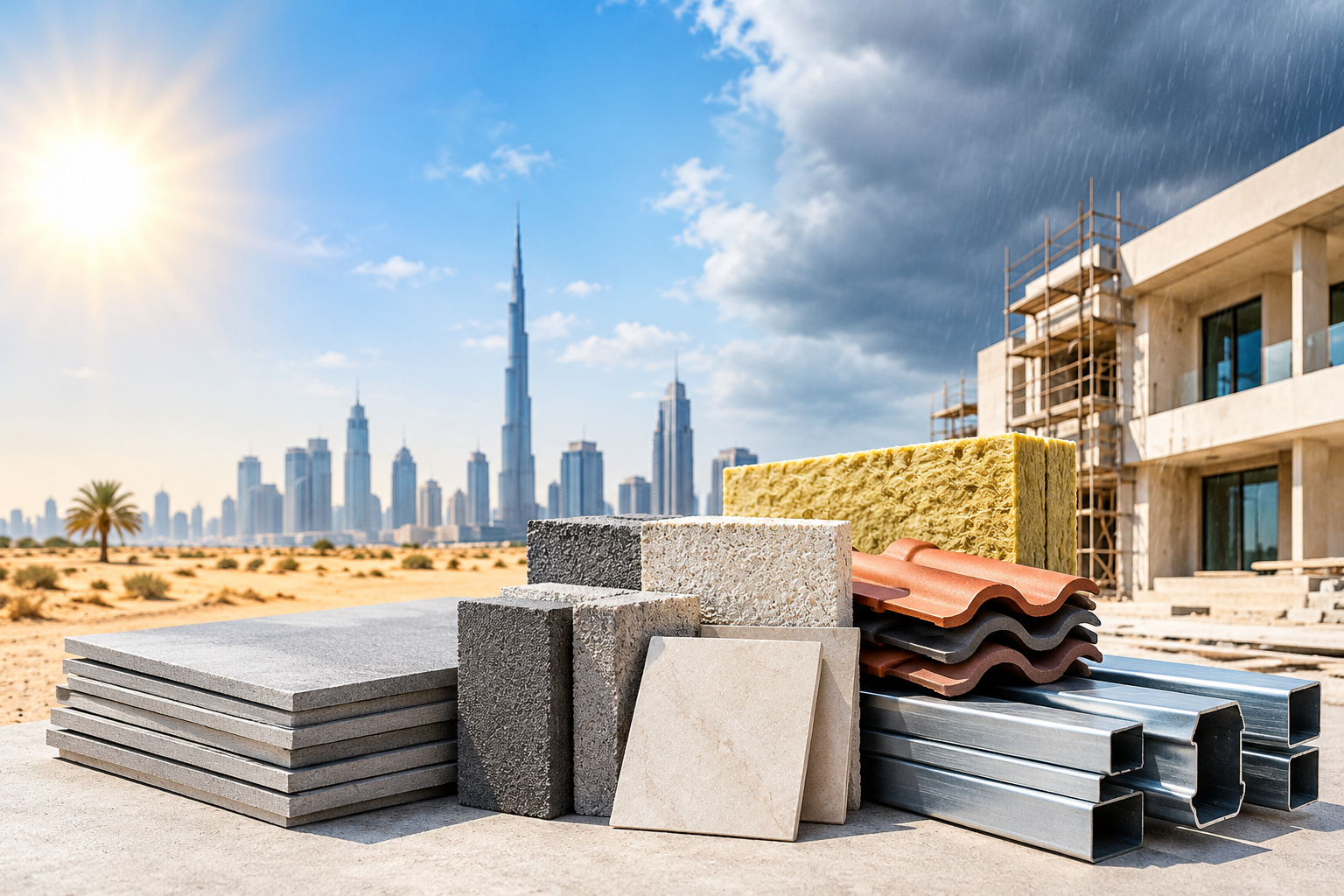
Choosing the right building materials is essential for any construction project in the UAE. The region's climate can be challenging, with extreme summer temperatures, strong UV radiation, high humidity, sandstorms, and occasional heavy rainfall. These conditions can affect the strength, appearance, and lifespan of construction materials.
A material that performs well in a cooler climate may not offer the same durability in the UAE. For example, untreated steel can corrode in humid coastal areas, while low-quality exterior finishes may fade or deteriorate under continuous sunlight.
So, how do you choose materials that can handle these conditions?
The key is to consider the local climate, the building's purpose, and the expected lifespan of each material. Working with experienced building materials suppliers and reliable steel suppliers in UAE can also help you find products that meet your project's technical and environmental requirements.
Let's look at the most important factors to consider.
1. Choose Materials That Can Withstand Extreme Heat
High temperatures are a major concern for buildings across the UAE. During summer, prolonged heat exposure can cause some materials to expand, crack, or lose their original properties.
For this reason, materials used in roofs, external walls, structural components, and outdoor installations should be selected carefully.
Consider the following options:
-
Concrete: Use properly designed concrete mixes and suitable curing practices to minimize temperature related cracking.
-
Steel: Select appropriate steel grades and protective coatings based on the structural application and exposure conditions.
-
Thermal insulation: Choose quality insulation materials to reduce heat transfer and improve indoor comfort.
-
Roofing materials: Use roofing systems designed to resist high temperatures and prolonged sunlight.
Good material selection can also reduce cooling requirements and help improve the building's energy efficiency.
2. Select Corrosion-Resistant Materials for Humid Conditions
Humidity is another important factor, particularly in coastal cities such as Dubai, Abu Dhabi, and Sharjah. Moisture and airborne salt can accelerate corrosion in exposed metal components.
Steel structures, roofing sheets, fasteners, support systems, and external metal fittings may be affected if they do not have suitable protection.
To reduce corrosion risks, consider:
-
Galvanized steel for applications requiring zinc-based corrosion protection.
-
Stainless steel for applications where its corrosion resistance is suitable.
-
Protective coatings and anti-corrosion paints for exposed steel surfaces.
-
Proper waterproofing to prevent moisture from reaching vulnerable building components.
When purchasing structural steel, discuss the project's location and exposure conditions with experienced steel suppliers in UAE. The right grade and protective finish can make a considerable difference to long-term performance.
3. Look for UV-Resistant Materials for Outdoor Use
Strong sunlight is a year-round consideration in the UAE. Continuous exposure to ultraviolet (UV) radiation can cause certain plastics to become brittle, exterior paints to fade, and some waterproofing products to deteriorate.
This is particularly important for buildings with exposed roofs, outdoor structures, balconies, and external wall finishes.
Look for materials specifically designed for outdoor applications, such as:
-
UV-resistant PVC and suitable polymer products.
-
Exterior paints formulated for strong sunlight.
-
Weather-resistant sealants.
-
UV-stable waterproofing membranes.
-
Durable aluminium components with appropriate protective finishes.
Always review product specifications before purchasing. A product labelled as suitable for outdoor use should also have manufacturer documentation supporting its intended application.
4. Consider Sandstorms and Dust Exposure
Sandstorms are a regular environmental challenge in parts of the UAE. Fine sand and dust can gradually affect building exteriors, windows, ventilation systems, roofing, and exposed surfaces.
The best approach is to select materials that are durable, easy to maintain, and suitable for dusty environments.
For example, properly sealed windows and doors can help reduce dust entering indoor spaces. Durable exterior coatings can make cleaning easier, while quality roofing sheets and cladding can provide better protection against environmental exposure.
For warehouses, factories, and industrial facilities, pay particular attention to external steel structures, roof panels, doors, and ventilation openings.
5. Do Not Overlook Waterproofing and Moisture Protection
Although the UAE has a predominantly hot and dry climate, heavy rainfall can occur. Poor drainage and inadequate waterproofing may lead to roof leakage, dampness, and damage to building components.
Before construction begins, consider suitable waterproofing materials for:
-
Roofs and terraces.
-
Foundations and basements.
-
External walls.
-
Bathrooms and wet areas.
-
Expansion joints and construction openings.
Choose waterproofing products according to the application, expected exposure, and manufacturer's installation guidelines. Proper installation is just as important as selecting a quality product.
6. How to Choose the Right Building Materials Supplier in UAE
Finding suitable materials is easier when you work with a supplier who understands local construction requirements. However, comparing suppliers involves more than checking product prices.
Before making a purchasing decision, consider these factors:
Product quality and specifications: Check material grades, technical datasheets, certifications, and test reports where applicable.
Product availability: Make sure the supplier can provide the required quantities within your project timeline.
Delivery reliability: Delayed material deliveries can affect construction schedules and increase project costs.
Technical assistance: Choose suppliers who can explain product specifications, applications, finishes, and suitable alternatives.
Competitive pricing: Compare quotations based on quality, specifications, and expected service life rather than focusing only on the lowest price.
Reliable building materials suppliers can help contractors, developers, and procurement teams source suitable products while maintaining consistent project standards.
7. Compare Long-Term Durability, Not Just Initial Cost
One common purchasing mistake is choosing construction materials based only on their initial price. While cheaper products may reduce immediate expenses, they can lead to higher maintenance and replacement costs over time.
For example, using appropriately galvanized or coated steel in exposed environments can help reduce corrosion-related maintenance. Similarly, investing in quality thermal insulation may improve indoor comfort and reduce air-conditioning requirements.
Before finalizing your purchase, compare:
-
Expected product lifespan.
-
Maintenance and replacement requirements.
-
Installation costs.
-
Resistance to local weather conditions.
-
Manufacturer warranties and technical support.
This helps you make practical purchasing decisions and manage the overall cost of your construction project.
Conclusion
Choosing weather-resistant building materials is an important part of constructing durable buildings in the UAE. Extreme heat, humidity, UV radiation, sandstorms, and occasional rainfall can all affect material performance.
The right approach is to select materials according to their intended application and environmental exposure. From corrosion-resistant steel and quality concrete to UV-resistant finishes and reliable waterproofing systems, every material should meet the specific needs of the project.
Working with dependable building materials suppliers and experienced steel suppliers in UAE can also make material selection easier. By focusing on product quality, technical specifications, and long-term durability, you can reduce maintenance concerns and build with greater confidence.
Frequently Asked Questions (FAQs)
1. What are the best weather-resistant building materials for UAE conditions?
Some suitable options include corrosion-protected steel, properly designed concrete, UV-resistant exterior paints, thermal insulation, durable roofing materials, and quality waterproofing membranes. The right choice depends on the building's location and intended application.
2. How does UAE weather affect construction materials?
High temperatures can cause thermal expansion, UV radiation can damage exposed surfaces, humidity and salt exposure can accelerate metal corrosion, and sandstorms can contribute to surface abrasion. Heavy rainfall can also create waterproofing and drainage challenges.
3. How can I find reliable building materials suppliers in UAE?
Compare suppliers based on product quality, technical specifications, certifications, availability, delivery schedules, pricing, and technical support. Choose a supplier with experience in UAE construction requirements.
4. Which type of steel is suitable for construction in coastal UAE areas?
Galvanized steel and suitable stainless steel grades are common options for applications where corrosion resistance is important. The correct choice depends on structural requirements, salt exposure, environmental conditions, and applicable project standards. Protective coatings may also be necessary.

 English
 Arabic
 French
 Spanish
 Portuguese
 Deutsch
 Turkish
 Dutch
 Italiano
 Romaian
 Portuguese (Brazil)
 Greek