


Cost of Studying in Denmark: Tuition Fees, Living Expenses and Scholarships Explained
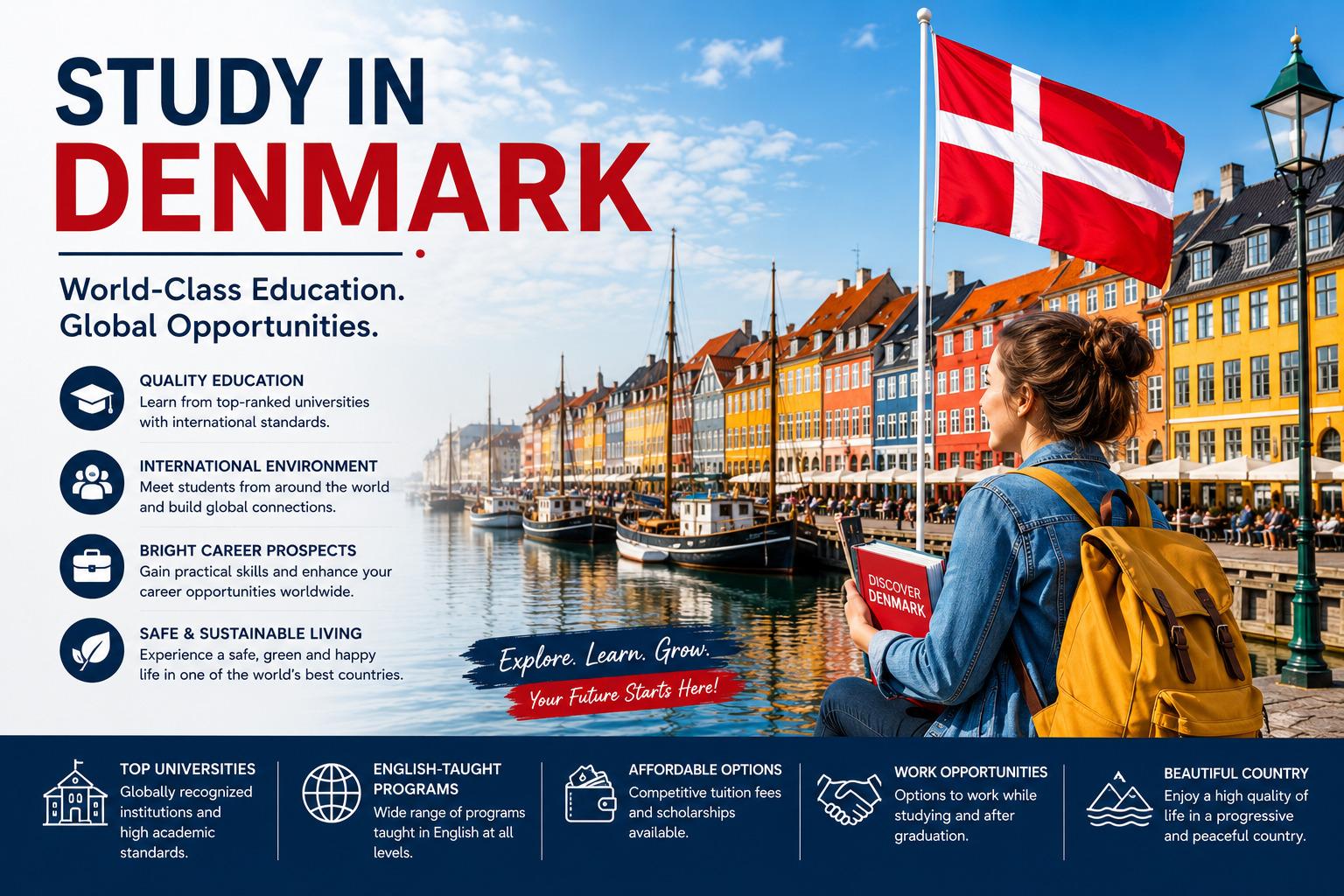
Denmark is famous for its high quality of life, innovative teaching and well-organised society. But before you decide to study in Denmark, you need a clear picture of the costs involved. Students from outside the EU/EEA pay tuition fees, and daily expenses are higher than in many other European countries. This guide breaks down tuition, accommodation, food, transport and scholarships so you can plan your budget with confidence.
Tuition Fees for Non-EU Students
Students from the EU, EEA and Switzerland study free at public institutions, but students from India and other non-EU countries must pay tuition. Fees depend on the university and the programme. Bachelor’s programmes generally cost around EUR 6,000 to EUR 16,000 per year, while master’s programmes often range from EUR 8,000 to EUR 18,000, and some specialised courses cost more. Business, engineering and science programmes at leading universities in Denmark usually sit at the higher end of this range.
Many universities also ask you to pay the first semester’s fee before your residence permit is processed, so keep funds ready early. Always confirm exact figures on the official university website.
Accommodation Costs
Rent is the biggest monthly expense for most students. Student dormitories typically cost between DKK 3,000 and DKK 5,500 per month, while private rooms in Copenhagen can cost DKK 5,000 to DKK 8,000 or more. Housing is in high demand, especially before the September intake, so apply through your university housing office or student housing organisations as soon as you receive your admission offer. Smaller cities such as Aalborg, Odense and Aarhus are usually more affordable than the capital.
Food and Daily Expenses
Eating out in Denmark is expensive, so most students cook at home. A grocery budget of roughly DKK 2,000 to DKK 3,000 per month is realistic, especially if you shop at discount supermarkets like Netto, Lidl and Rema 1000. Add around DKK 500 to DKK 1,000 for your phone plan, internet, study materials and occasional leisure activities.
Transport
Denmark has an excellent public transport network of buses, metro and trains. Many cities offer discounted travel options for students, which helps reduce monthly costs. However, cycling is the most popular and cheapest way to get around. A second-hand bicycle is a one-time cost, and cycling lanes make commuting safe and simple in every major city.
Total Cost of Living
Most international students should plan for around DKK 8,000 to DKK 12,000 per month, depending on city and lifestyle. Understanding the cost of living in Denmark is essential because applicants for the Denmark student visa, officially a student residence permit, must show that they can support themselves financially during their stay. Check the latest requirements on the official Danish immigration website before you apply.
Part-Time Work Options
International students are generally allowed to work up to 20 hours per week during the academic year and full-time during the summer months of June, July and August. Many student jobs in retail, hospitality, cleaning and delivery pay around DKK 110 to DKK 150 per hour. This income can cover part of your daily expenses, but it should not be your only source of funding. Competition for jobs can be high, and knowing some Danish helps.
Scholarships and Funding
Scholarships can reduce your financial burden significantly. Students should explore these funding options:
-
Danish Government Scholarships for selected master’s programmes
-
Erasmus Mundus Joint Master’s programmes with generous funding
-
University-specific merit scholarships and partial tuition waivers
-
External grants from foundations and organisations
Most scholarships are competitive, so prepare a strong academic profile, a clear motivation letter and good recommendation letters. Apply well before the deadlines, which are often several months ahead of the intake.
Final Thoughts
Planning your finances is the smartest first step if you want to study in Denmark. Tuition and living costs may look high at first, but quality education, part-time work rights, safe cities and strong career prospects make it a worthwhile investment. Research your shortlisted universities carefully, compare fees, and apply for Denmark scholarships as early as possible to lower your expenses. Start your application early, keep your documents ready and check official university and immigration websites for the latest updates.

 English
 French
 Spanish
 Portuguese
 Deutsch
 Turkish
 Dutch
 Italiano
 Russian
 Romaian
 Portuguese (Brazil)
 Greek