


Chemical Peel in Islamabad: How to Reduce the Risk of Post-Treatment Dark Marks
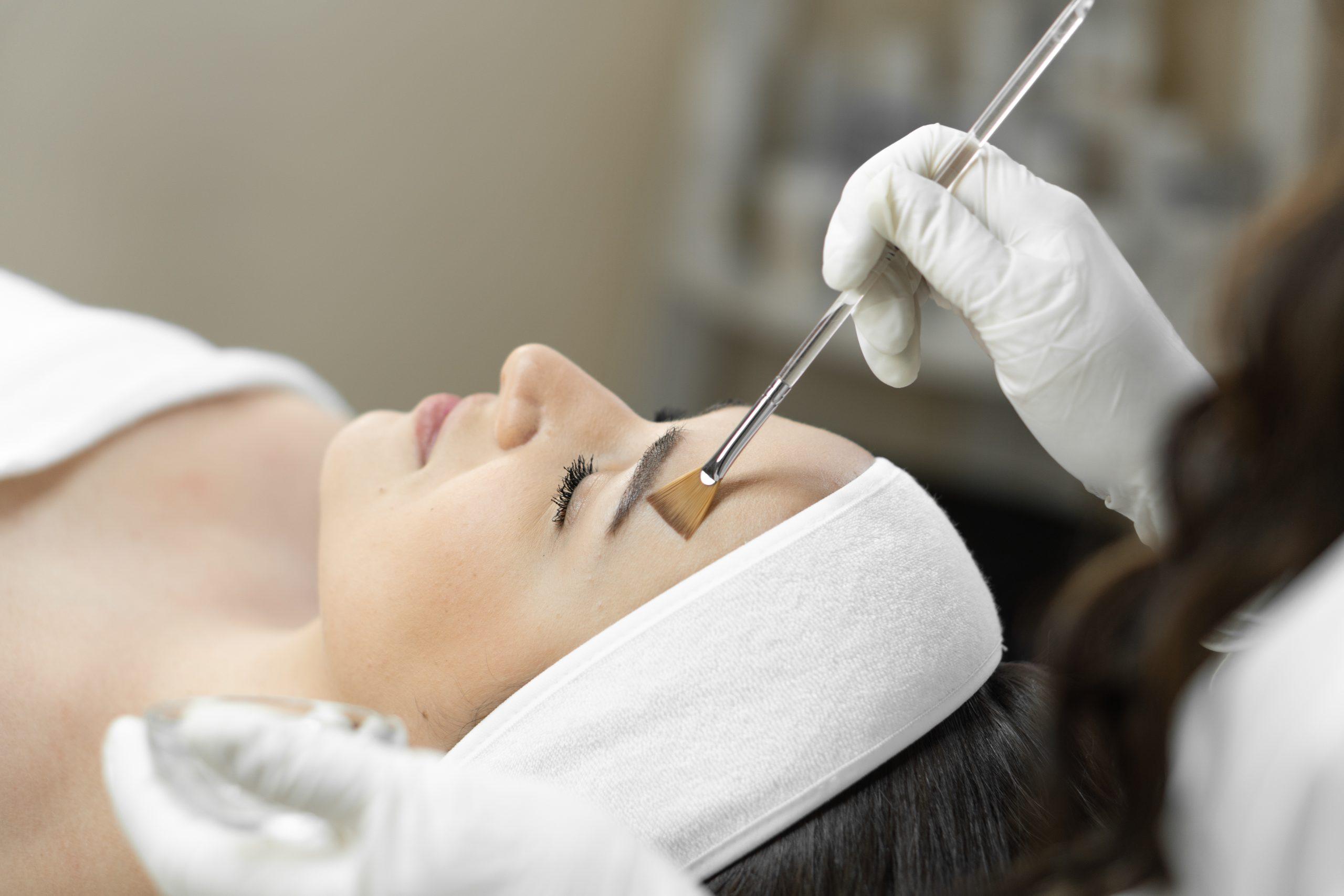
Chemical peels can help improve dullness, uneven skin tone, acne marks, and rough texture. However, one concern many people have before booking a treatment is whether their skin might develop new dark spots afterwards. This is particularly important for people with naturally darker skin tones or a history of pigmentation.
Post-treatment dark marks, also known as post-inflammatory hyperpigmentation (PIH), can develop when the skin produces excess melanin following irritation or inflammation. If you are considering Chemical Peel In Islamabad, understanding how to prevent this complication can help you make safer decisions and achieve better results.
What Causes Dark Marks After a Chemical Peel?
A chemical peel works by applying a carefully selected solution to exfoliate damaged skin cells and encourage skin renewal. Although this process can improve several skin concerns, it also creates a controlled response in the skin.
Sometimes, inflammation triggers melanocytes, the cells responsible for producing melanin, to become more active. This can result in darker patches appearing in the treated area, particularly in people who are naturally prone to pigmentation.
Sun exposure, excessive exfoliation, unsuitable peel strength, and picking peeling skin can increase this risk. Post-inflammatory hyperpigmentation is a possible complication, not an inevitable result of every chemical peel.
Why Is Pigmentation Prevention Important for Pakistani Skin?
People in Pakistan experience considerable sun exposure throughout the year, particularly during summer. Ultraviolet radiation can stimulate melanin production, making existing pigmentation more noticeable and increasing the risk of dark marks after skin irritation.
Individuals with medium to deeper skin tones may also have a greater tendency to develop post-inflammatory hyperpigmentation. This does not mean chemical peels are unsuitable for them, but treatment selection and application require additional care.
Melasma, previous acne marks, and a history of pigmentation after minor skin injuries should also be discussed during consultation. Understanding your skin's pigmentation history helps professionals select a safer treatment approach.
Choose the Right Chemical Peel for Your Skin Type
Not every chemical peel is suitable for every individual. Different acids have different properties, strengths, and applications, so selecting the right formulation is one of the most important steps in reducing pigmentation risks.
For example, mandelic acid may be considered for certain people with sensitive or pigmentation-prone skin because it penetrates relatively slowly. Glycolic acid is commonly used to improve dullness and superficial pigmentation, while salicylic acid is often selected for oily and acne-prone skin.
However, the best option depends on your skin condition rather than the popularity of a particular ingredient. A stronger peel does not automatically deliver better results.
Essential Ways to Reduce the Risk of Dark Marks
If you are planning Chemical Peel In Islamabad, preparation and aftercare should be treated as important parts of the procedure. A carefully selected treatment combined with appropriate skin protection can help reduce unnecessary irritation.
Here are some important precautions to discuss with your skincare professional:
-
Get a professional skin assessment: Discuss your skin tone, previous pigmentation, allergies, and current skincare products before treatment.
-
Avoid excessive exfoliation: Stop using harsh scrubs and strong exfoliating products when advised before your appointment.
-
Use sunscreen consistently: Apply broad-spectrum SPF 30 or higher to protect your skin from ultraviolet exposure.
-
Follow the recommended peel strength: Avoid choosing aggressive treatments simply because you expect faster results.
-
Keep your skin moisturised: Use suitable moisturising products to support the skin barrier.
-
Never pick peeling skin: Allow dead skin cells to shed naturally instead of pulling or scratching them.
-
Follow professional aftercare: Use only the products recommended for your recovery period.
Small precautions before and after treatment can make a significant difference to skin recovery.
Why Sunscreen Is Essential After a Chemical Peel
Sunscreen is one of the most important products to include in your post-peel skincare routine. After exfoliation, the skin may be more sensitive to sunlight, and UV exposure can contribute to pigmentation changes.
Choose a broad-spectrum sunscreen with SPF 30 or higher. Apply it every morning and reapply approximately every two hours when outdoors, or after sweating and washing your face.
In Islamabad, direct sunlight can be strong even during cooler months. Wearing a wide-brimmed hat, using shade, and avoiding unnecessary midday sun exposure can provide additional protection.
Skipping sunscreen can undermine your treatment results and increase the likelihood of dark marks.
What Should You Avoid During Skin Recovery?
After a chemical peel, your skin needs time to repair its protective barrier. Using too many active skincare ingredients during this period can increase irritation and potentially contribute to post-inflammatory pigmentation.
Avoid retinoids, strong exfoliating acids, abrasive scrubs, and other irritating products until your skincare professional confirms that your skin has recovered. Avoid waxing, picking, scratching, or using harsh cleansing brushes on the treated area.
You should also avoid unnecessary heat exposure if your skin remains sensitive. Activities that cause excessive sweating or irritation may need to be limited temporarily, depending on the peel performed.
Gentle skincare is better than trying to speed up exfoliation.
How to Recognise Post-Inflammatory Hyperpigmentation
Post-inflammatory hyperpigmentation usually appears as flat brown, dark brown, or greyish patches in areas where the skin has experienced inflammation or irritation. These marks may become noticeable after redness and peeling have settled.
They are generally different from normal temporary redness, which often improves as the skin heals. However, persistent discolouration should not be diagnosed through appearance alone.
If you notice new dark patches, increasing irritation, or unusual changes after treatment, contact your dermatologist. Avoid applying bleaching creams or additional exfoliating products without professional advice.
Early assessment can help identify the cause and prevent unnecessary worsening.
Can Dark Marks Be Treated If They Develop?
Yes, post-inflammatory hyperpigmentation can often be improved, although the time required depends on its depth, severity, and underlying cause. Some superficial marks gradually fade as the skin naturally renews itself.
A dermatologist may recommend suitable topical ingredients such as azelaic acid, niacinamide, or other pigmentation treatments depending on your skin condition. More persistent pigmentation may require a carefully planned treatment approach.
It is important not to rush into another chemical peel immediately. The skin should fully recover before additional exfoliating procedures are considered.
Who Should Be Extra Careful Before Getting a Chemical Peel?
People with melasma, darker skin tones, sensitive skin, or a history of post-inflammatory hyperpigmentation should receive a particularly careful assessment. Those with active skin infections, open wounds, or significant irritation may need to postpone treatment.
Your professional should also review medications and skincare ingredients that may increase sensitivity. If you have previously experienced dark marks after acne, waxing, or other skin procedures, mention this during your consultation.
Personalised treatment planning is essential for reducing avoidable pigmentation complications.
Choose Professional Chemical Peel Treatment at Dynamic Aesthetic Clinic
Achieving brighter skin should never come at the expense of skin health. Dynamic Aesthetic Clinic offers professional skincare expertise, board-certified surgeons, and advanced treatment techniques to address pigmentation, acne marks, and uneven skin texture. Their team can assess your skin concerns and recommend an appropriate chemical peel approach with careful attention to treatment safety and aftercare.

 English
 Arabic
 French
 Portuguese
 Deutsch
 Turkish
 Dutch
 Italiano
 Russian
 Romaian
 Portuguese (Brazil)
 Greek