


How Strategic SEO Helps Small Businesses Compete With Established Brands
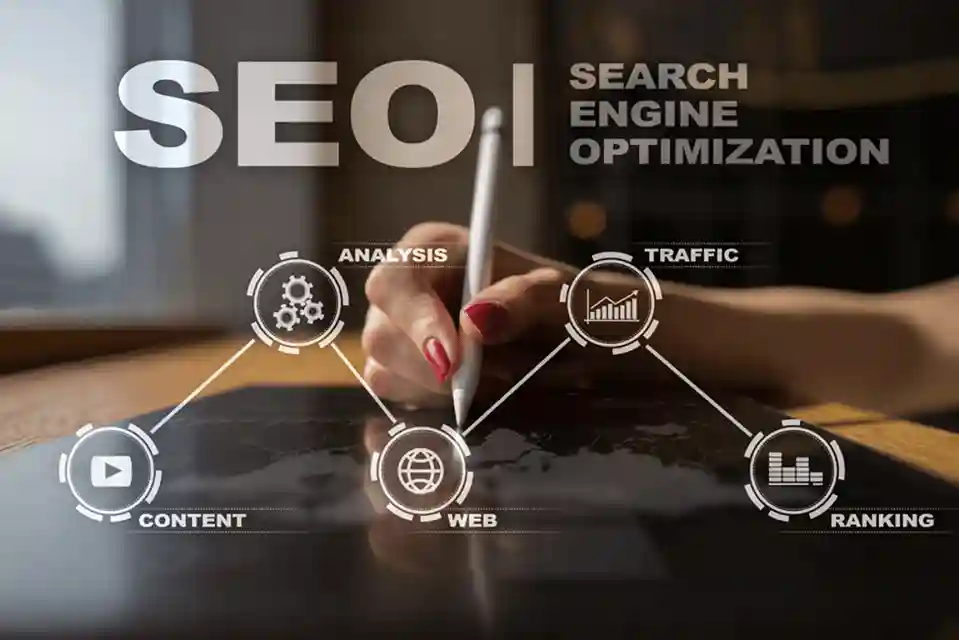
Competing with established brands can be challenging for small businesses, especially when larger companies have bigger marketing budgets, stronger brand recognition, and more resources. However, having a smaller budget does not mean a business cannot build a strong presence in search engine results. With the right approach, small businesses can attract relevant audiences, reach potential customers, and compete for valuable search opportunities.
Search engine optimization provides an opportunity to build online visibility without depending entirely on expensive advertising campaigns. Instead of trying to compete with major brands for every popular keyword, small businesses can focus on targeted search terms, industry-specific content, local visibility, and customer-focused website optimization.
A strategic SEO approach allows smaller companies to use their resources efficiently while building sustainable growth.
Focus on Specific Keywords Instead of Broad Competition
One of the biggest mistakes small businesses make is targeting highly competitive keywords without considering their available resources. Established brands often dominate broad search terms because they have developed strong domain authority, extensive content libraries, and established backlink profiles.
Rather than competing directly for every high-volume keyword, small businesses should identify more specific search opportunities.
Long-tail keywords are particularly valuable because they often reflect clear customer needs. For example, a general keyword such as "digital marketing" may attract a broad audience, while "digital marketing services for local restaurants" targets a more specific group of potential customers.
Keyword research should consider search intent, competition, relevance, and business value. This helps smaller companies prioritize opportunities that are more realistic and commercially meaningful.
Build Authority Through Specialized Content
Large brands frequently publish content across multiple topics and industries. Small businesses can create a competitive advantage by concentrating on a specific niche and developing deeper knowledge within that area.
Publishing useful, original, and well-researched content helps businesses demonstrate their expertise while addressing questions their target audiences regularly search for.
For example, a small accounting firm could publish detailed guides about tax preparation for freelancers, financial planning for startups, and bookkeeping for independent contractors.
This focused approach allows the business to develop topical relevance without needing to produce content on every possible subject.
An effective content strategy should include informative blog posts, practical guides, frequently asked questions, service-related articles, and supporting resources. Connecting these pages through relevant internal links also helps search engines understand the website's structure.
Use Local SEO to Reach Nearby Customers
Local search is one of the strongest opportunities for small businesses that serve specific geographic areas. While national brands may have greater overall visibility, local companies can focus on customers searching for services in their immediate communities.
Optimizing a Google Business Profile is an important starting point. Businesses should provide accurate contact information, working hours, service details, and relevant business categories.
Other useful local SEO activities include:
-
Creating location-specific service pages.
-
Maintaining consistent business information across directories.
-
Collecting genuine customer reviews.
-
Adding relevant local keywords to website content.
-
Building relationships with local organizations and businesses.
For example, a plumbing company operating in a particular city can target service-related searches that include its operating locations. This helps the business reach people who are actively looking for nearby solutions.
Develop a Strong Website Experience
A professional website plays an important role in building trust and supporting organic search performance. Small businesses cannot always compete with the website development budgets of major companies, but they can create fast, accessible, and easy-to-use websites.
Technical SEO should be part of the overall strategy. Search engines need to crawl and understand website pages effectively, while visitors should be able to access information without unnecessary difficulties.
Important optimization areas include mobile responsiveness, page loading speed, clean URL structures, XML sitemaps, proper indexing, and secure HTTPS connections.
Website navigation should also make it easy for visitors to discover services, explore relevant information, and contact the business.
A clear website structure improves accessibility and creates a better experience for both users and search engines.
Build Credibility Through Relevant Backlinks
Backlinks can help small businesses strengthen their website authority and improve their online reputation. However, competing with established brands does not require collecting thousands of links from unrelated websites.
A more effective strategy focuses on earning relevant backlinks from trustworthy sources.
Small businesses can develop backlink opportunities through industry guest contributions, digital PR, local business partnerships, professional associations, and useful resource creation.
For example, a small cybersecurity company could contribute an educational article to a technology publication or collaborate with a relevant industry organization.
The priority should be relevance, editorial value, and natural link placement. Avoiding low-quality link schemes helps protect the website's long-term SEO health.
Monitor Performance and Improve the Strategy
SEO requires continuous evaluation because search trends, customer behavior, and competitor strategies change over time. Small businesses should regularly review their performance to understand which activities are producing meaningful results.
Google Search Console helps identify keyword impressions, clicks, indexing issues, and search performance. Google Analytics provides additional insights into website traffic and visitor behavior.
Businesses should pay attention to organic conversions, qualified leads, landing page performance, and keyword visibility rather than focusing exclusively on rankings.
These insights make it easier to identify underperforming pages, discover new keyword opportunities, and improve existing content.
Conclusion
Strategic SEO gives small businesses a practical way to compete with established brands by focusing on opportunities that match their strengths and resources. Instead of chasing every competitive keyword, they can build visibility through niche targeting, specialized content, local optimization, technical improvements, and relevant backlinks.
Success does not always depend on having the biggest marketing budget. It depends on understanding the target audience, delivering useful information, and consistently improving the website.
With a focused and sustainable SEO strategy, small businesses can strengthen their online presence, attract qualified customers, and build a competitive position in their industries over time.
Read More Read More Read More Read More Read More Read More
Read More Read More Read More Read More Read More Read More
Read More Read More Read More Read More Read More Read More
Read More Read More Read More Read More Read More Read More
Read More Read More Read More Read More Read More Read More
Read More Read More Read More Read More Read More Read More
Read More Read More Read More Read More Read More Read More
Read More Read More Read More Read More Read More Read More
Read More Read More Read More Read More Read More Read More

 English
 Arabic
 French
 Spanish
 Portuguese
 Deutsch
 Turkish
 Italiano
 Russian
 Romaian
 Portuguese (Brazil)
 Greek