


What Is Non-Surgical Hair Replacement and How Does It Work?
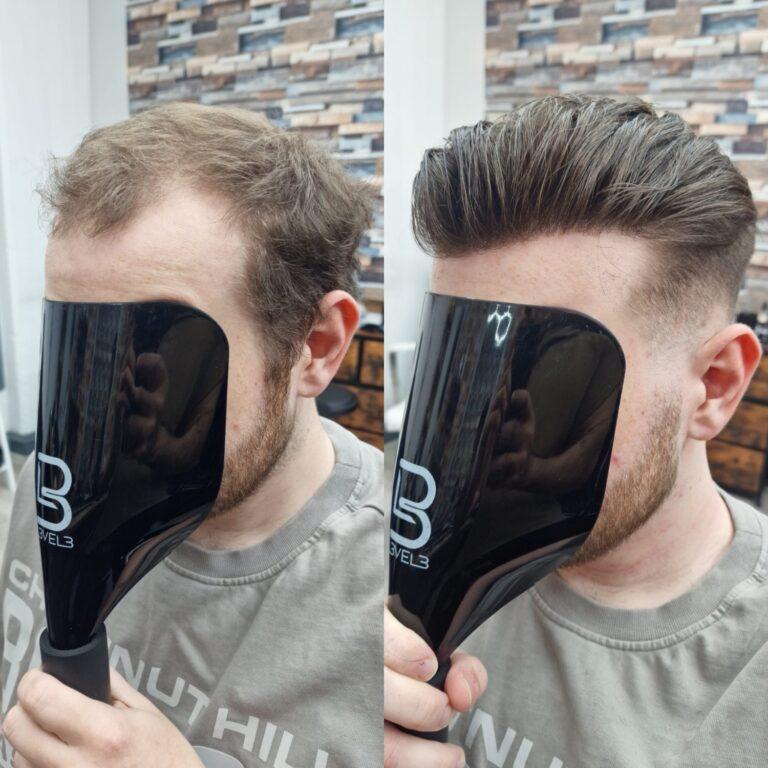
Hair loss can affect more than just your appearance. For many men, it can change how they feel about themselves, how they interact with others, and how confident they feel in everyday situations. While hair transplants are one option, not everyone wants to undergo surgery or wait months to see results.This is where non-surgical hair replacement offers another solution.
Modern hair replacement systems are designed to give men a natural-looking head of hair without surgery. They use real human hair attached to a specially designed base that sits securely on the scalp. When fitted and styled correctly, the system blends with existing hair and can become part of a person's daily routine.
But what exactly is non-surgical hair replacement, how does it work, and is it the right choice for someone experiencing hair loss?
This guide explains everything you need to know before considering a hair replacement system.
What Is Non-Surgical Hair Replacement?
Non-surgical hair replacement is a method of restoring the appearance of hair without undergoing a surgical procedure. It usually involves a hair system made from real human hair or synthetic fibres, attached to a thin base that is fitted to the scalp.
Unlike traditional wigs, modern hair systems are designed to blend with the wearer's existing hair. The base is carefully selected to match the scalp, while the hair is chosen according to colour, texture, density, and preferred style.
Many men's hair replacement systems use 100% human hair. This allows the wearer to cut, style, and sometimes colour the hair in a similar way to natural hair.
The system is attached using specially designed adhesive or tape. It can remain in place for several weeks before professional maintenance is required.
Non-surgical hair replacement is commonly used by men experiencing male pattern baldness, thinning hair, receding hairlines, alopecia, or hair loss related to certain medical treatments.
It provides an immediate cosmetic solution without requiring surgery, recovery time, or a lengthy waiting period for hair growth.
How Does Non-Surgical Hair Replacement Work?
The process involves several steps. Each one plays an important role in creating a comfortable fit and a natural appearance.
Step 1: Hair and Scalp Consultation
The first step is a consultation with a hair replacement specialist.
During this appointment, the specialist examines the client's existing hair, scalp condition, and pattern of hair loss. They also discuss the hairstyle the client wants to achieve.
This helps determine whether a full hair system, a smaller frontal system, or another option would be suitable.
The consultation also provides an opportunity to discuss hair colour, density, lifestyle, and maintenance expectations.
A good consultation should focus on finding a suitable solution rather than recommending the most expensive option.
Step 2: Choosing the Right Hair System
Hair replacement systems come in different sizes, materials, and designs.
Some systems cover the entire top of the head, while others replace only the front hairline. The right choice depends on how much natural hair remains and where hair loss has occurred.
The base material is also important. It affects how the system looks, feels, and performs during everyday activities.
For example, lace bases are known for their lightweight construction and breathability. Skin bases use a thin material that can create the appearance of hair growing directly from the scalp. Hybrid systems combine different materials to balance natural appearance and durability.
You can learn more about these options in this guide to https://www.londonhairreplacement.co.uk/best-hair-system-base-materials-in-london/
Step 3: Preparing the Scalp
Before fitting the system, the scalp needs to be clean and properly prepared.
The specialist removes any remaining adhesive, cleans the bonding area, and prepares the scalp for attachment.
Depending on the system design, existing hair in the bonding area may need to be trimmed.
Proper preparation is important because oil, moisture, and leftover adhesive can affect how well the system stays attached.
It also allows the specialist to check the scalp for irritation or other concerns before proceeding.
Step 4: Attaching the Hair System
Once the scalp is prepared, the hair system is positioned and attached using suitable adhesive or tape.
The specialist carefully aligns the system with the planned hairline and checks that it sits correctly.
The attachment method depends on the base material, the client's lifestyle, and the desired level of hold.
The goal is to create a secure fit without making the system uncomfortable.
After attachment, the specialist checks the edges and hairline to make sure everything looks natural.
Step 5: Cutting and Blending the Hair
This is one of the most important parts of the entire process.
Even a high-quality hair system can look unnatural if it is not cut and blended correctly.
The specialist trims the system while it is fitted to the client's head. This allows the new hair to blend with the existing hair around the sides and back.
The hairline is also shaped according to the client's face and natural appearance.
Colour, texture, and density need to work together. A system that is too thick or too dark may look different from the wearer's natural hair.
A carefully blended haircut helps create a result that looks consistent from different angles.
What Are the Different Types of Hair Replacement Systems?
There is no single hair system that works for everyone. Different base materials offer different benefits, and the right choice depends on individual needs.
Lace Hair Systems
Lace systems use a fine mesh base with individual hairs attached to it.
The material allows air to pass through, making it a comfortable option for people who prefer a lightweight system.
Lace is also popular because it can create a natural-looking hairline. However, the delicate material requires careful handling and regular maintenance.
Skin Hair Systems
Skin systems use a thin, flexible base designed to sit close to the scalp.
They can create a smooth appearance and are often easier to clean than some lace systems.
However, very thin skin bases may have a shorter lifespan. They can also feel warmer because the material does not allow as much airflow.
Hybrid Hair Systems
Hybrid systems combine two or more base materials.
For example, a system may use lace at the front to create a natural hairline and a stronger material around the sides for better attachment.
This combination can provide a balance between appearance, comfort, and durability.
The best option depends on how the system will be used and what matters most to the wearer.
Who Can Benefit From Non-Surgical Hair Replacement?
Non-surgical hair replacement may be suitable for men experiencing different types of hair loss.
Men with male pattern baldness may use a system to restore coverage across the top of the head.
Those with receding hairlines may benefit from a smaller frontal system that replaces only the missing hair at the front.
Hair systems may also be considered by people experiencing alopecia or hair loss related to medical treatment.
However, suitability depends on individual circumstances. Anyone experiencing unexplained or sudden hair loss should speak with a qualified healthcare professional to understand the underlying cause.
A hair replacement specialist can then help assess whether a cosmetic system is an appropriate option.
What Are the Benefits of Non-Surgical Hair Replacement?
One of the main advantages is that the results are immediate.
Unlike hair transplant procedures, which require time for healing and hair growth, a hair system provides visible coverage as soon as it is fitted.
Another benefit is that the process does not involve surgery. There are no surgical incisions or procedure-related recovery periods.
Hair systems also offer flexibility. Wearers can choose different hairstyles, hair colours, and levels of density.
For many men, this flexibility makes it easier to find a look that suits their face and personal style.
Modern systems are also designed to support everyday activities. Once the adhesive has properly cured, many systems can be worn during exercise, swimming, showering, and sleeping.
However, the level of comfort and hold depends on the system, adhesive, and individual scalp conditions.
Can You Live Normally With a Hair Replacement System?
Many people considering hair replacement worry about whether they will need to change their daily routine.
Modern systems are designed to fit into everyday life, but they do require some care.
After the initial fitting, the adhesive needs time to cure. The specialist will explain how long to keep the system dry and when normal activities can resume.
Once properly secured, a suitable system can allow the wearer to exercise, shower, and participate in many regular activities.
It is still important to follow the recommended aftercare instructions.
For example, excessive heat, harsh hair products, and rough brushing may affect the condition of the hair system.
People who exercise frequently or spend time swimming may need a system and adhesive suited to their lifestyle.
How Long Does a Hair Replacement System Last?
The lifespan of a hair replacement system depends on its material, quality, maintenance routine, and how it is used.
Some systems may last several months, while others can remain in good condition for longer.
Lace and mono systems may last around six to twelve months under suitable conditions. Very thin skin systems may have a shorter lifespan, sometimes around two to four months.
These are general estimates rather than guarantees.
Regular maintenance can help keep the system looking natural and identify problems before they become more serious.
It is also important to understand that the system's attachment and the hair itself may need attention at different times.
A system that still looks good may need re-bonding, while a system with significant shedding or base damage may need replacement.
How Often Does a Hair System Need Maintenance?
Most professionally fitted hair systems require maintenance every four to six weeks.
During a maintenance appointment, the specialist removes the system, cleans the scalp and base, checks its condition, and attaches it again using fresh adhesive or tape.
The hair may also need trimming, blending, or restyling.
Regular maintenance helps maintain the appearance of the hairline and keeps the system comfortable.
Skipping maintenance for too long may lead to adhesive build-up, lifting edges, or changes in how the system sits on the scalp.
The exact maintenance schedule depends on the system and the wearer's lifestyle.
For further information, visit https://www.londonhairreplacement.co.uk/ to explore professional hair system maintenance services.
How Much Does Non-Surgical Hair Replacement Cost?
The cost of non-surgical hair replacement varies depending on the system, fitting method, salon, and maintenance requirements.
A complete hair replacement service may include the hair system, scalp preparation, fitting, haircut, and blending.
Some providers charge separately for these services, while others offer a complete package.
It is also important to consider ongoing maintenance when calculating the long-term cost.
For example, a system that requires regular professional servicing may involve additional expenses throughout the year.
Before booking, ask what the quoted price includes, how often maintenance is required, and whether replacement systems are available at different price points.
Clear pricing helps you understand the overall commitment before making a decision.
Is Non-Surgical Hair Replacement Better Than a Hair Transplant?
The answer depends on your needs and expectations.
Hair transplants involve moving hair follicles from one area of the scalp to another. They are surgical procedures and may require recovery time before results become visible.
Non-surgical hair replacement does not involve moving hair follicles. Instead, it provides cosmetic coverage using an attached hair system.
A hair transplant may be suitable for someone seeking a surgical approach to hair restoration and who has enough suitable donor hair.
A hair system may appeal to someone who wants immediate coverage, prefers to avoid surgery, or is not suitable for a transplant.
Neither option is automatically better for everyone.
The decision should be based on individual circumstances, budget, lifestyle, and professional advice where needed.
How to Choose a Reliable Hair Replacement Specialist
Choosing the right specialist is just as important as choosing the hair system itself.
Look for a provider who has experience with men's hair replacement and understands how to create natural-looking hairlines.
Ask to see genuine examples of previous work and discuss the fitting process before booking.
A reliable specialist should explain the available options, maintenance requirements, and expected costs clearly.
They should also be willing to tell you if a smaller system would be sufficient instead of recommending a full replacement unnecessarily.
Privacy can also be an important consideration for people who feel uncomfortable discussing hair loss.
A private consultation gives clients the opportunity to ask questions and discuss their concerns without feeling rushed.
For those considering a professional service in East London, provides more information about the salon's approach to hair replacement and client care.
What Should You Expect From Your First Appointment?
A first appointment usually begins with a discussion about your hair loss and the result you want to achieve.
The specialist examines your scalp and existing hair before recommending a suitable system.
Once the system has been selected, the fitting process includes scalp preparation, attachment, cutting, and blending.
The appointment may take around two hours for a complete new system, depending on the work required.
You should also receive guidance on how to care for the system at home and when to schedule your next maintenance appointment.
Before visiting, it is helpful to prepare questions about the system's lifespan, maintenance costs, and suitability for your lifestyle.
Final Thoughts
Non-surgical hair replacement offers a practical option for men who want to restore the appearance of their hair without undergoing surgery.
Modern hair systems use carefully selected materials, real human hair, and professional fitting techniques to create a natural-looking result.
The success of a hair system depends on more than the quality of the hair itself. Proper consultation, base selection, attachment, cutting, and regular maintenance all play an important role.
Before choosing a system, take time to understand your options and consider how the system will fit into your daily life.
A professional consultation can help you make an informed decision based on your hair loss pattern, personal preferences, and long-term expectations.

 English
 Arabic
 French
 Spanish
 Portuguese
 Deutsch
 Turkish
 Italiano
 Russian
 Romaian
 Portuguese (Brazil)
 Greek