


How Hard Water Can Affect Cleaning and Household Maintenance
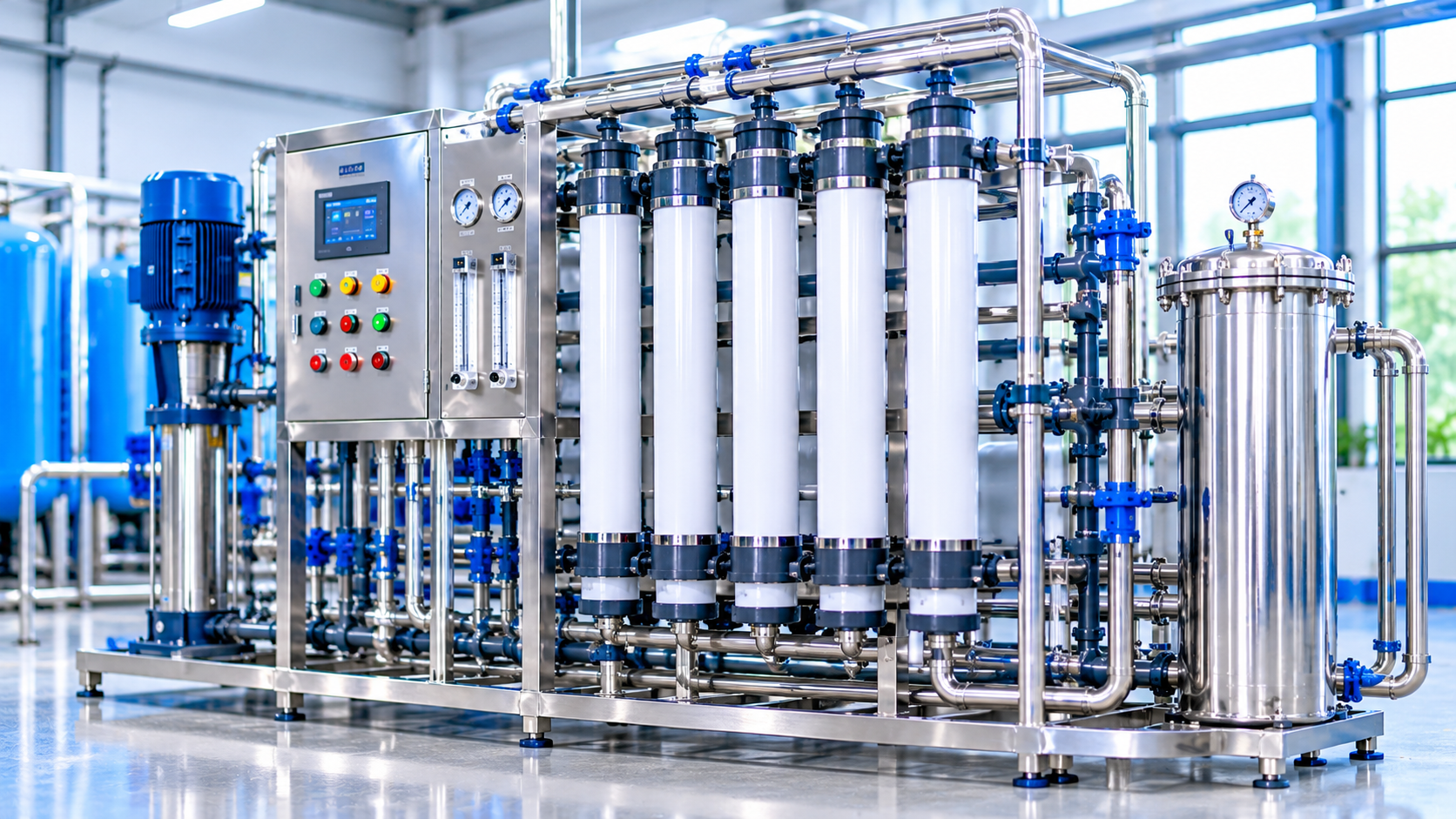
Household cleaning involves many everyday tasks, from washing dishes and clothes to maintaining bathrooms and kitchen surfaces. However, the quality of water used during these activities can influence the amount of effort required. Hard water is a common concern in many residential areas because it contains higher concentrations of dissolved calcium and magnesium. These minerals can leave deposits on surfaces, affect soap performance, and increase maintenance requirements for household appliances.
What Is Hard Water?
Water becomes hard when it collects calcium and magnesium minerals as it passes through underground rocks and soil. The concentration of these minerals varies according to the geographical location and original water source.
Some households experience mild hardness, while others deal with more noticeable mineral deposits. White marks around taps, showerheads, and sinks are common signs. However, laboratory testing is the most reliable way to determine the actual hardness level.
Hard water is not automatically unsafe, but it can create practical difficulties in household cleaning and maintenance. Understanding its characteristics helps homeowners decide whether treatment is necessary.
Effects on Bathroom Cleaning
Bathrooms often show the visible effects of hard water. Mineral deposits may develop around taps, shower screens, tiles, and showerheads. These marks can make surfaces appear dirty even after regular cleaning.
Showerheads may also experience mineral accumulation around their small openings. Over time, this buildup can interfere with water distribution and make cleaning more difficult.
Regular wiping after bathing can help reduce visible deposits. Homeowners should also clean bathroom fixtures using products suitable for their surface materials. Following product instructions helps prevent accidental damage while removing mineral residue.
How Hard Water Influences Laundry
Hard water can affect the way detergents behave during washing. Calcium and magnesium interfere with soap performance, which may make it harder to produce a rich lather.
As a result, some households use additional detergent or spend more time rinsing clothes. Mineral residue may also contribute to a dull appearance in fabrics over repeated washing cycles.
Using detergents formulated for hard water can help manage some of these difficulties. However, the effectiveness of this approach depends on the product and the actual hardness level of the supply.
The Impact on Kitchen Appliances
Kettles, dishwashers, washing machines, and water heaters regularly come into contact with household water. When hardness minerals accumulate, they can create deposits on internal components.
Kettles may develop visible white layers around their heating surfaces. Dishwashers can experience spotting on glassware and deposits inside certain components. Water heaters may also collect scale over time.
Regular appliance cleaning and servicing can help manage these issues. Homeowners should follow manufacturer instructions and avoid using unsuitable cleaning chemicals.
Understanding Water Treatment Options
Several technologies can help address water quality concerns, but each has a different purpose. Sediment filtration removes suspended particles, while activated carbon can reduce certain substances responsible for taste and odour.
A UF Systems is specifically designed to reduce hardness minerals. Most conventional systems use ion exchange, replacing calcium and magnesium ions with sodium or potassium ions, depending on the equipment and regeneration arrangement.
This process can help reduce mineral scale and improve the experience of using water for cleaning. However, softening does not automatically remove microorganisms or every dissolved contaminant.
Choosing a Suitable Softening System
Before purchasing equipment, homeowners should arrange water hardness testing. The results help determine whether a softener is necessary and what capacity may be suitable.
Household size and daily water consumption also influence system selection. A larger family may require greater treatment capacity than a smaller household. Available installation space, drainage access, and plumbing connections should also be considered.
Consumers should review salt requirements, regeneration settings, replacement components, and servicing costs. These details provide a more realistic picture of long-term ownership.
Simple Maintenance Habits
Even when a household uses treatment equipment, regular cleaning remains important. Wiping wet surfaces, checking showerheads, and cleaning removable appliance components can help prevent deposits from becoming difficult to remove.
Softening equipment should be inspected according to manufacturer guidance. Salt levels, control settings, and resin performance may need periodic attention.
Keeping maintenance records makes it easier to organise servicing and identify changes in system performance. Homeowners should also arrange further water testing when the incoming supply changes.
Creating a More Manageable Cleaning Routine
Managing hard water involves understanding mineral levels, choosing suitable treatment equipment, and maintaining household appliances. Small cleaning habits can also reduce the visible effects of mineral deposits.
Hydrous Water Technology offers water treatment solutions for residential and commercial requirements. Homeowners can explore appropriate equipment according to their water conditions and household needs.
With suitable treatment and regular maintenance, families can manage common hard water problems more effectively. A practical approach can make everyday cleaning easier while helping protect water-using appliances from unnecessary mineral buildup.

 English
 French
 Spanish
 Portuguese
 Deutsch
 Turkish
 Dutch
 Italiano
 Russian
 Romaian
 Portuguese (Brazil)
 Greek