


A Practical Guide to Choosing CNC-Processed Parts
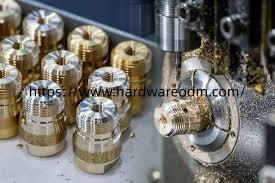
A product's performance often depends on the quality of the individual components that make up its structure. Parts may need to connect with other elements, provide support, or create a carefully shaped surface for a specific task. In this context, CNC Processing combines digital instructions, material knowledge, and controlled machining methods to produce components that follow a defined design. For manufacturers and product developers, understanding how these elements interact can help make the transition from an initial concept to a usable part more straightforward.
Material selection influences the way a component is manufactured and how it behaves after production. Steel is often considered for parts that need structural support, while stainless steel may be appropriate for applications where corrosion resistance or surface appearance matters. Aluminum can be useful when a design benefits from a lighter component and suitable machining characteristics. Plastics may also be considered for parts requiring different surface or functional properties. The right choice depends on the component's role, the surrounding environment, and its interaction with other materials. Buyers should discuss these conditions rather than selecting a material based only on its general reputation.
A practical purchasing process begins with a clear understanding of the intended application. Buyers should identify how the part will be installed, which components it must connect with, and what features are essential to its operation. A mounting element, for example, may require reliable contact with a neighboring structure, while a cover may place more emphasis on shape and visible finish. Product drawings, digital models, samples, and written requirements can help communicate these needs. It is also useful to clarify which aspects of the design are fixed and where adjustments may be acceptable during manufacturing review.
The technology behind CNC production relies on programmed movement and controlled material removal. Depending on the design, operations such as milling, turning, drilling, or routing may be used to form the required features. The selected process determines how the material is held, how the tool reaches different surfaces, and how the machining sequence is organized. A thoughtful setup can help reduce unnecessary handling and maintain consistency across related parts. The manufacturing plan should reflect the component's geometry and functional requirements, rather than applying the same process to every design.
Digital design also supports communication between product developers and manufacturing teams. A three-dimensional model can help clarify the relationship between surfaces, openings, and connecting features. During design review, manufacturers may identify areas that are difficult to machine or that require additional setup. Adjusting a feature's shape or simplifying a transition may improve manufacturability while preserving the component's intended purpose. These conversations are especially useful when a product is still being developed, because design decisions can be reviewed before they become part of a larger production workflow.
The user experience of a finished component depends partly on its fit, handling, and ease of maintenance. Parts that align naturally with neighboring elements can make assembly more convenient, while carefully finished edges may improve handling during installation. Components used in equipment should also support practical access for inspection or replacement where needed. If a part is touched regularly, its surface texture and shape may influence how comfortable it feels. Evaluating a sample in the actual assembly can reveal issues that may not be obvious from a drawing or digital model.
Design and appearance contribute to how a component fits into the identity of a finished product. Machined surfaces can create a clean, technical look, while shaped contours and visible details may support a distinctive product style. Finishing options can influence texture, color, and the overall impression of the component. These choices should be coordinated with the material and the intended environment. A visually refined surface is most useful when it also supports the part's functional role and remains practical for assembly, cleaning, and ongoing use.
Yongkang Ruizan Industry and Trade Co., Ltd. can be a point of contact for businesses exploring customized hardware and component manufacturing. Buyers can discuss the intended application, material options, design files, assembly requirements, and finishing preferences to clarify the scope of a project. Reviewing these details together can support more effective communication during sample development and production planning. Further information about the company's products and services is available at https://www.hardwareodm.com/product

 English
 Arabic
 French
 Spanish
 Deutsch
 Turkish
 Dutch
 Italiano
 Russian
 Romaian
 Portuguese (Brazil)
 Greek